
When Science Becomes a Preemptive Legal Shield
- Tech
Arjun Vedanta
- 0
- 4 minutes read
The New Calculus of Scientific Pressure
The recent political storm brewing around the National Academies of Science isn’t merely a clash between scientific findings and partisan interests; it’s a stark revelation of how science itself is now being weaponized for pre-emptive legal and financial gain. This current battle signals a dangerous evolution in the relationship between objective inquiry and raw power, moving beyond mere policy disagreement to direct intervention against potential legal liabilities.
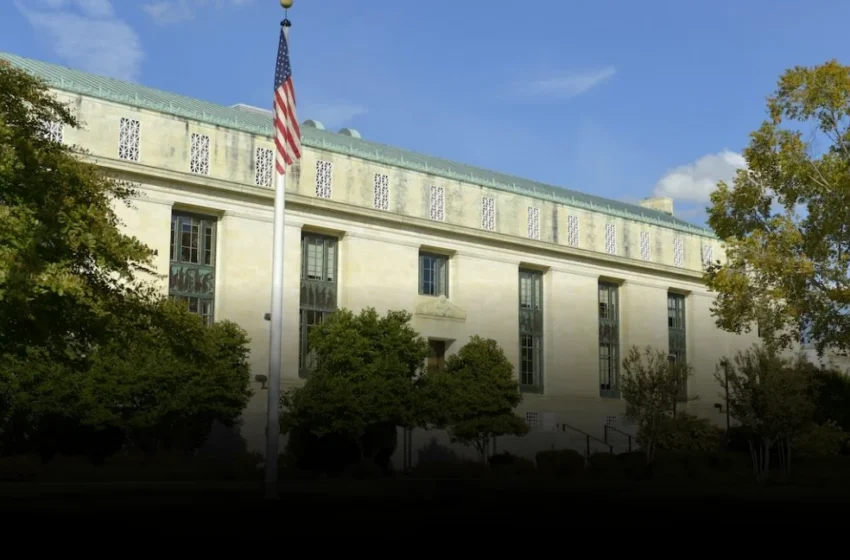
For generations, the National Academies of Science, an institution founded during the US Civil War, built its formidable reputation on providing unvarnished scientific advice to the US government. Its comprehensive reports, crafted by top experts from across the country, have traditionally navigated contentious issues without ceding intellectual independence. Yet, the current breakdown between the Academies and Republican politicians, as documented by Politico, illustrates a new frontier in political pressure.
The catalyst is the Academies’ forthcoming expert report on the attribution of weather events to human-driven climate change. Fossil fuel companies are acutely worried this report will lead to findings of liability in the many climate-related lawsuits they currently face. This isn’t about disputing scientific methodology after publication; it’s about applying pressure while the scientific process is still underway, aiming to dilute or discredit its findings before they can even be used in court. The direct political intervention reveals a stark calculus: undermine the scientific process now to sidestep costly legal accountability later.
Eroding Trust in Objective Expertise
Historically, the National Academies weathered intense criticism, often from powerful groups offended by their findings, yet largely maintained the respect of the governmental organizations that funded their work. This track record was a testament to their perceived objectivity and the insulation they enjoyed from overtly partisan interference. However, the current situation suggests that this insulation has reached its limit, and a deeper corrosion of trust is underway.
What truly distinguishes this episode is the explicit connection between scientific output and corporate legal exposure. When the mere anticipation of a report’s conclusions — particularly those that quantify cause-and-effect for phenomena like climate change — triggers such immediate and aggressive political lobbying, it signals a profound shift. The utility of science, in this framing, becomes contingent on its political and economic convenience, rather than its pursuit of objective truth. The notion that institutions built on objective scientific inquiry can remain insulated from the raw economic and legal stakes of their findings now appears more aspirational than realistic.
This pre-emptive strike transforms scientific inquiry into a hostage in broader legal and political skirmishes. It teaches future litigants and industries that influencing, or outright sabotaging, the scientific process is a viable strategy to protect their bottom lines. This precedent jeopardizes not just this single report, but the very mechanism for translating scientific understanding into actionable policy and justice, both domestically and internationally.
Global Repercussions of a Domestic Battle
From my vantage point covering global technology and its intersections, this domestic battle holds significant international repercussions. Scientific institutions worldwide look to bodies like the National Academies as beacons of independent expertise, crucial for tackling complex, shared challenges such as climate change. When a venerable institution in a leading scientific nation like the United States faces such overt political interference, it provides ammunition for climate skeptics and emboldens actors in other nations to question scientific consensus when it conflicts with their own vested interests.
The increasing prominence of attribution science in climate litigation means that the stakes for scientific integrity are only growing. Legal frameworks are catching up to scientific capabilities, creating a powerful new incentive for political actors and industries to interfere proactively. This isn’t just a parochial US story; it’s a bellwether for the global system of evidence-based policy. If one of the world’s most respected scientific advisory bodies cannot shield its process from external economic and political pressure, then the credibility of global scientific collaboration — and the collective ability to address existential threats — is severely compromised. The integrity of global scientific collaboration depends on the perceived independence of its most venerable institutions.
