
White House Vaccine Order: A Precedent for Digital Misinformation’s Global Impact
- Tech
Arjun Vedanta
- 0
- 4 minutes read
The Political Weaponization of Disproven Science
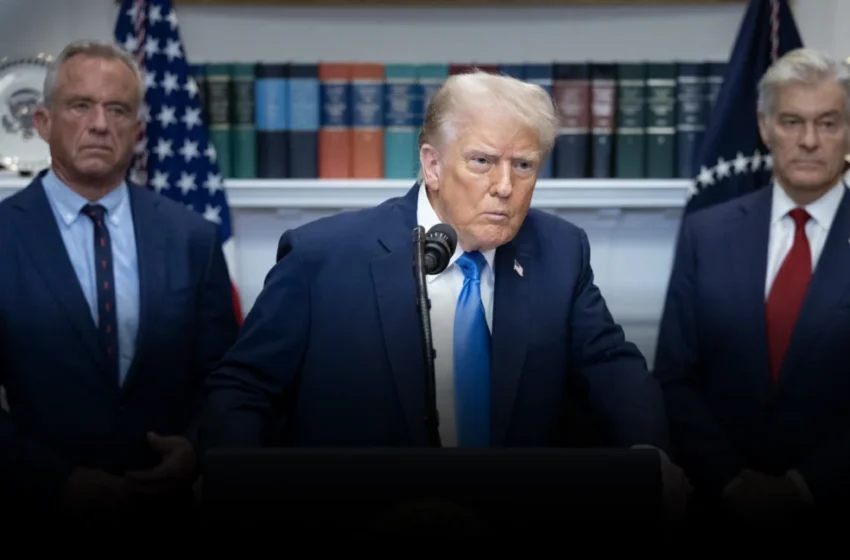
A single, scientifically debunked claim, long relegated to the fringes of internet forums, now threatens to gain an official White House imprimatur. Reports from The Washington Post and Bloomberg indicate the Biden administration is drafting an executive order linking childhood vaccines to autism. This isn’t merely a policy misstep; it’s a profound political endorsement of scientific denialism, with alarming implications for how digital platforms will amplify and legitimize misinformation globally, undermining public trust and critical health initiatives.
For years, medical consensus has been unequivocal: there is no link between vaccines and autism. The genesis of this myth traces back to a fraudulent 1998 study, swiftly retracted, its author stripped of his medical license. Dozens of high-quality studies, encompassing millions of children worldwide, have consistently affirmed this reality. Yet, the White House, acting on unnamed sources’ reports, appears poised to lend its formidable platform to a narrative that has already caused real-world harm through vaccine hesitancy.
Algorithmic Echoes and Eroding Global Trust
The core issue here is not the scientific debate itself, which concluded decades ago, but the *political will* to resurrect and validate disproven theories in the digital age. This proposed executive order highlights a deeper structural failure in how scientific consensus is communicated and, more crucially, defended against well-resourced misinformation campaigns. The immediate incentive for such an announcement, despite its scientific illiteracy, is almost certainly political — a calculated attempt to appeal to a vocal segment of the electorate.
This is where the international tech lens becomes critical. Silicon Valley reporters often miss the downstream effects when a major power like the United States officially equivocates on established science. Our globally interconnected digital architecture ensures that such a presidential directive won’t stay within national borders. It will be algorithmically amplified, cross-pollinated through international social networks, and weaponized by state actors or politically motivated groups seeking to sow distrust in institutions everywhere. The real danger isn’t the EO itself, but the tacit validation it offers to a globally networked ecosystem of medical skepticism, setting a perilous precedent for other areas of science where consensus is inconvenient.
The International Ripple Effect on Information Integrity
From Geneva, Singapore, and London, we’ve seen firsthand how quickly misinformation can travel, transcending languages and cultures. When a government as influential as the U.S. appears to lend credence to anti-science claims, it doesn’t just confuse its own populace; it emboldens similar movements abroad and complicates the efforts of international public health organizations. Digital platforms, often slow to act or inconsistent in their content moderation, become unwitting accomplices in this global erosion of truth. The lines between scientific fact and politically expedient fiction blur further, making it exponentially harder for average citizens to discern reliable information.
This isn’t a domestic American problem; it’s an architectural challenge for the integrity of information itself. Tech companies and policy makers need to grapple with the reality that national political decisions regarding scientific facts have instant, global digital consequences. The digital tools we’ve built to connect the world are now being used to fracture scientific consensus, with potentially devastating impacts on public health and the collective ability to address global challenges. We need a more robust global information defense, not just against foreign influence, but against domestic erosion of truth facilitated by our own digital tools.
