
Xbox Cloud Gaming Limits: Microsoft’s Quiet Retreat from Unlimited Streaming
- Software
Arjun Vedanta
- 0
- 5 minutes read
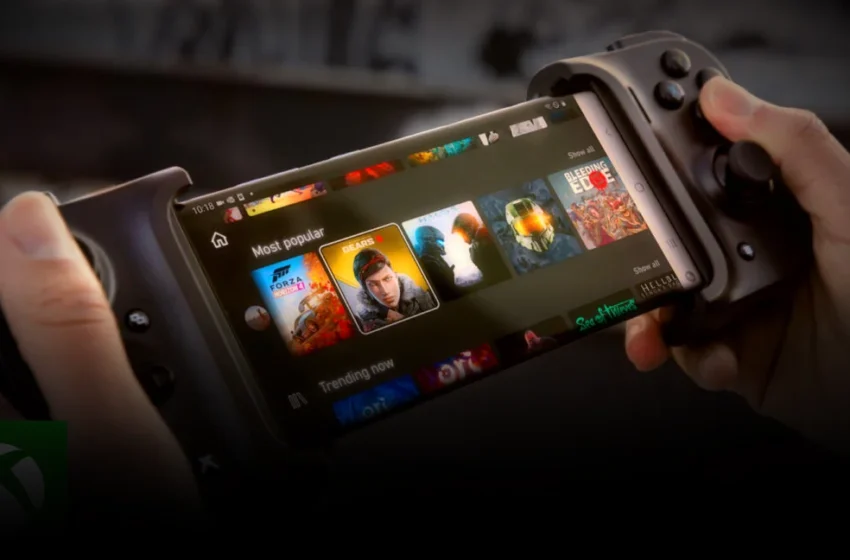
Microsoft’s Cloud Gaming Vision Collides with Reality
As of November, Xbox Game Pass subscribers will no longer enjoy the unfettered, unlimited access to cloud game streaming that Microsoft has championed since 2020. What was once heralded as the future of gaming – the ability to play any title, anywhere, without hardware limitations – is now constrained by hard monthly caps: 15 hours for Game Pass Ultimate ($23/month), 10 hours for Game Pass Premium ($15/month), and a meager 5 hours for Game Pass Essential ($10/month). This isn’t merely a pricing adjustment; it’s a structural admission that the economic realities of cloud computing continue to undermine the grand, pervasive visions so often sold to consumers and investors.
Microsoft’s initial promise of Project xCloud, later Xbox Cloud Gaming, was a powerful, device-agnostic declaration. It suggested a world where your Xbox console was optional, where the computational heavy lifting happened in Azure data centers, and your gaming experience was limited only by your internet connection. Now, that vision looks less like a universal future and more like a premium, metered utility. The company states subscribers can purchase additional time once their allotment is depleted, a vague assurance that only reinforces the underlying challenge: unlimited cloud streaming was always a myth, or at best, an unsustainable loss leader.
The Invisible Costs of Cloud Infrastructure Exposed
The abrupt imposition of these limits forces an uncomfortable spotlight on the true cost of operating massive cloud gaming infrastructure. Unlike video or music streaming, where the server essentially pushes pre-rendered files, interactive cloud gaming demands real-time, high-fidelity rendering on powerful, dedicated hardware for each concurrent user. Each hour a player spends on Xbox Cloud Gaming translates directly into significant expenditure on GPU cycles, CPU power, memory, network bandwidth, and the ever-rising electricity costs to cool and power those data centers.
It’s a variable cost nightmare, escalating linearly with user engagement. This dynamic explains why Google’s ambitious Stadia imploded so spectacularly, despite Google’s unparalleled cloud infrastructure. It also illuminates the guarded approaches taken by competitors like Nvidia’s GeForce Now, which has always operated with session limits or tiered subscriptions that explicitly offer longer playtime for higher fees. Even Sony’s PlayStation Plus Premium, while offering cloud streaming, positions it as an enhancement to a download-first library, not a standalone, unlimited service.
The incentive here is clear: Microsoft is seeking to curb the escalating operational burn rates of its Azure infrastructure. By capping streaming hours, they compel heavy users, who are invariably the most expensive, to either reduce their cloud playtime, purchase additional (as-yet-unpriced) streaming blocks, or — crucially — download games and run them locally on their own hardware. This strategy significantly offloads compute and network costs from Microsoft’s balance sheet back to the consumer’s device, subtly shifting the burden while retaining the subscription revenue.
A Strategic Retreat, Not a Mere Adjustment
This move isn’t a minor policy tweak; it’s a significant strategic recalibration that underscores the persistent economic friction in scaling truly pervasive cloud gaming. For years, the narrative from Silicon Valley has been that cloud gaming represents an inevitable future, one where specialized hardware becomes obsolete. This perspective, often amplified by reporters who rarely leave the confines of their respective tech hubs, frequently misses the global implications and the cold, hard capital expenditure required to make such a future a reality.
From a Geneva vantage point, where network infrastructure varies wildly across Europe, or Singapore, a hub for diverse Asian markets, the promise of seamless cloud gaming has always been tempered by the realities of latency, regional data center availability, and ISP throttling. Imposing these limits, particularly the paltry 5 hours for the entry-level Game Pass Essential, effectively relegates cloud streaming from a transformative platform to a mere “try before you buy” demo mechanism, or a very casual distraction for users with exceptionally light gaming habits.
The skeptical observation here is that Microsoft is not just managing costs; it is quietly conceding that the universal, hardware-agnostic cloud gaming future, as they initially envisioned and marketed it, is simply not economically viable at scale under current technology and business models. This isn’t a temporary measure; it’s an acknowledgment of fundamental constraints, forcing a pivot back towards a hybrid model that tacitly re-emphasizes the importance of local hardware. The idea that these caps are merely about optimizing user experience or managing network congestion rings hollow when the primary impact is to drive up costs for the most engaged users.
What does this mean for the broader industry? It suggests that the true ‘Netflix of gaming’ remains elusive, not because of a lack of ambition or technological prowess, but because the economics of interactive, real-time rendering are fundamentally different from pre-rendered media. For console makers, this re-emphasizes the value proposition of dedicated gaming hardware and the local processing power it provides. For telco partnerships and adjacent technologies hoping to benefit from a cloud gaming boom, this puts a damper on expectations. Microsoft’s decision, while pragmatic for its bottom line, subtly yet definitively lowers the industry’s collective expectations for a truly ubiquitous, unlimited cloud gaming future, at least in the short to medium term. The dream of gaming without limits just ran into a very tangible monthly clock.
