
Ferrari’s Electric Unveiling Exposes Luxury Auto’s Silent Struggle for Identity
- Tech
Arjun Vedanta
- 0
- 4 minutes read
The Subtle Roar of a Silent Shift
When Ferrari pulled back the curtain on its first all-electric vehicle last week, the news filtered into the global tech consciousness not with the expected operatic fanfare, but almost as a footnote. For a brand synonymous with a visceral engine note and a meticulously crafted legacy of internal combustion, this quiet debut is not merely an engineering update; it’s a strategic tightrope walk, emblematic of a far deeper identity crisis brewing within the luxury automotive sector.
While the Silicon Valley press obsesses over aggressive market share battles and exponential growth curves of pure-play EV startups, the story here is far more nuanced. Ferrari isn’t just launching an electric car; it’s attempting to electrify an ethos, a heritage built on sound, speed, and a very particular kind of analogue performance. This isn’t a simple pivot; it’s a redefinition of what ‘Ferrari’ fundamentally means for a generation that might never hear a naturally aspirated V12.
The incentive for this measured unveiling is clear: Ferrari must acknowledge the inevitable march toward electrification without alienating its traditional, high-spending clientele who value exclusivity and history above all else. This balancing act, however, inevitably leads to compromises. The danger is that by trying to satisfy both past and future, they risk fully embracing neither, a predicament often lost on those dissecting quarterly sales figures alone.
Internal Contests Mirror Market Pressures
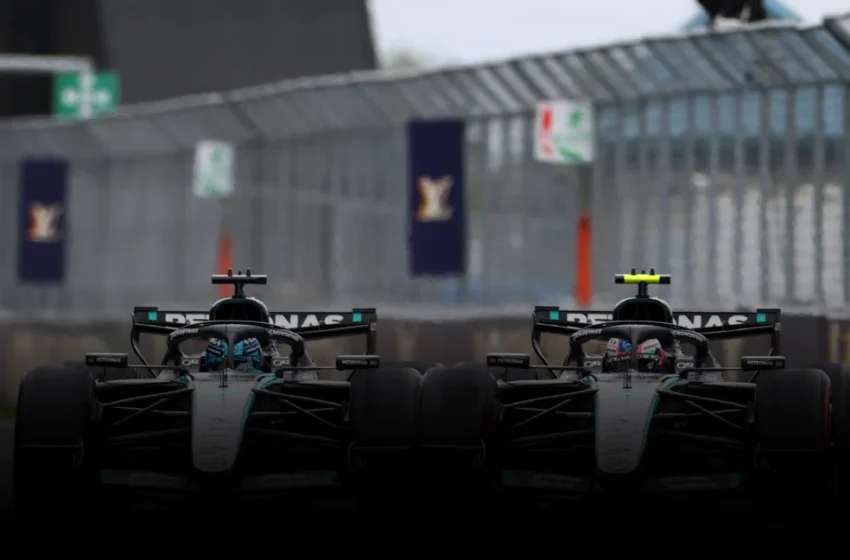
Consider the recent dynamics playing out at Mercedes, where a 19-year-old talent, Kimi Antonelli, now leads seasoned teammate George Russell by 43 points in a championship — a situation highlighting intense, internal competitive pressure. While that’s a sporting narrative, it serves as a potent metaphor for the internal talent wars and strategic tensions simmering within these storied automotive giants as they confront the EV transition. Who leads the charge internally? Is it the old guard, steeped in combustion lore, or a new generation unburdened by tradition?
These companies are not monolithic. There are factions, legacy knowledge bases, and engineers whose entire careers have been built on optimising technologies that are now, ostensibly, on their way out. The friction generated by this shift often goes unreported, overshadowed by shiny new product announcements. Yet, it’s precisely these internal dynamics — the mentorship, the subtle sidelining, the struggle for budget and influence — that will ultimately dictate how agile, or indeed, how constrained, these titans can be in a rapidly evolving market.
The assumption that a company with deep pockets and engineering prowess can simply ‘switch’ to EV production overlooks the profound human and cultural impedance within organisations of this scale. This isn’t just about retooling factories; it’s about reimagining corporate identity and the very skillset of its workforce, a far more complex undertaking than what startup culture typically faces.
Beyond the Disruptor Narrative
The prevailing narrative, largely driven by US tech media, frames the EV market as a battle between nimble disruptors and lumbering incumbents. While there’s truth to that, it significantly oversimplifies the strategic sophistication of legacy luxury brands operating on a global stage. Unlike Tesla, which built its brand from the ground up on electrification, Ferrari and Mercedes carry centuries of collective brand equity, requiring a delicate, often slow, evolution rather than a revolution.
These players understand that their brand is as much about aspiration and heritage as it is about raw performance metrics. An electric Ferrari must still *feel* like a Ferrari, even without the signature engine roar. This means investing heavily in sensory design, driving dynamics that mimic traditional feel, and developing bespoke battery and motor technologies that live up to the brand’s exacting standards, rather than simply sourcing off-the-shelf components. This strategic patience, often mistaken for slowness, is their unique competitive advantage and their greatest burden.
The global luxury market, particularly in Asia and Europe, often values heritage and brand consistency over bleeding-edge novelty for its own sake. This perspective shapes their product roadmaps, prompting careful, iterative steps rather than abrupt leaps. What we’re witnessing with Ferrari’s EV isn’t a tentative dip of the toe; it’s a calculated, high-stakes wager on how to evolve without losing the very essence that made the brand legendary in the first place, navigating a future where horsepower is measured in kilowatts, and the loudest statement might just be profound silence.
