
Microsoft’s AI Hardware Pivot: A Strategic Retreat from Mainstream Windows?
- Artificial Intelligence
Arjun Vedanta
- 0
- 4 minutes read
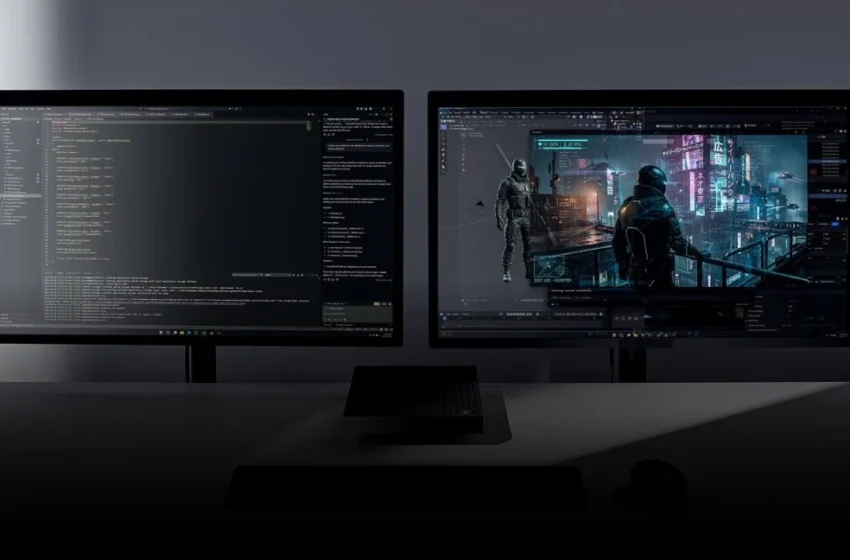
The Dev Box: A Trojan Horse for AI Specialization
Microsoft’s unveiling of the Surface RTX Spark Dev Box at its Build conference, featuring Nvidia’s new RTX Spark chip and a staggering 128GB of memory, did more than just introduce a high-spec machine for AI developers. It quietly signaled a profound shift in Redmond’s hardware strategy, one that seems increasingly willing to sideline its traditional consumer-first Windows vision in favor of a specialized, AI-centric developer ecosystem.
While the keynote brimmed with familiar AI-driven announcements – from the OpenClaw-based Autopilot agent Microsoft Scout to the vulnerability-scanning ‘Codename MDASH’ – the hardware offering was particularly telling. This isn’t merely a beefed-up Surface Pro; it is an explicit declaration that for Microsoft, the future of personal computing, at least where its direct hardware involvement is concerned, lies not in faster, more reliable, or less annoying general-purpose devices, but in dedicated AI infrastructure. The unspoken message: if you’re not building AI, you’re not the target.
This specialization marks a stark divergence from the company’s decade-long effort to establish Surface as a premium, versatile computing line for the masses. Suddenly, the focus has narrowed, prioritizing niche, power-hungry AI development over the broad appeal that Windows has historically championed.
Redmond’s Shifting Sands: Incentives and Implications
The incentive behind this pivot is clear: Microsoft wants to entrench its position at the forefront of the AI boom, not just as a software provider but as a full-stack platform. By offering specialized hardware tailored to Nvidia’s silicon and its own burgeoning AI services, Microsoft aims to create a sticky developer ecosystem that feeds directly into its cloud computing offerings like Azure. This benefits Nvidia by accelerating adoption of their new silicon, benefits AI developers with optimized tools, and crucially, benefits Microsoft by solidifying its role as the go-to vendor for AI infrastructure.
Yet, this strategy comes with inherent risks. Microsoft risks alienating the vast majority of its Windows users who aren’t training large language models or debugging multi-model agentic scanning systems. What happens to the promise of a more responsive, intuitive operating system for everyday tasks when the corporate gaze is so firmly fixed on enterprise solutions and AI tools? The absence of significant updates for existing Surface devices at Build, beyond yesterday’s Surface Laptop Ultra, only reinforces this perceived shift in priorities. It suggests that the general-purpose consumer hardware segment, once a core battleground for Microsoft, is becoming secondary.
The most cynical interpretation is that Microsoft is simply ceding the mainstream PC innovation battleground to Apple and Chromebooks, preferring instead to dominate the narrower, but potentially more lucrative, AI developer space.
The Unspoken Trade-off: Windows’ Broader Future
The implications for the broader Windows ecosystem are significant. For years, Windows’ strength lay in its universality — a platform capable of running everything from office applications to cutting-edge games. As Microsoft increasingly funnels its hardware resources into devices like the RTX Spark Dev Box, it raises questions about the allocation of engineering talent and marketing spend. Will innovation for the everyday user slow down? Will the vast ecosystem of independent software vendors (ISVs) not focused on AI feel neglected?
This intense focus on AI-specific developer hardware might be a necessary move to secure Microsoft’s future in an AI-first world, but it represents a profound trade-off. It prioritizes the bleeding edge of silicon and neural network development over the consistent, incremental improvements that define a robust, general-purpose operating system for hundreds of millions of users. It’s a calculated bet that the future value of enabling AI developers far outweighs the potential fragmentation or disinterest from its legacy consumer base. Only time will tell if Microsoft’s strategic retreat from mainstream hardware development for its AI-first gambit pays off, or if it leaves a vacuum for others to fill.
