
Beyond Pesticides: The Immune Receptor That Could Transform Crop Protection
- Artificial Intelligence
Arjun Vedanta
- 0
- 5 minutes read
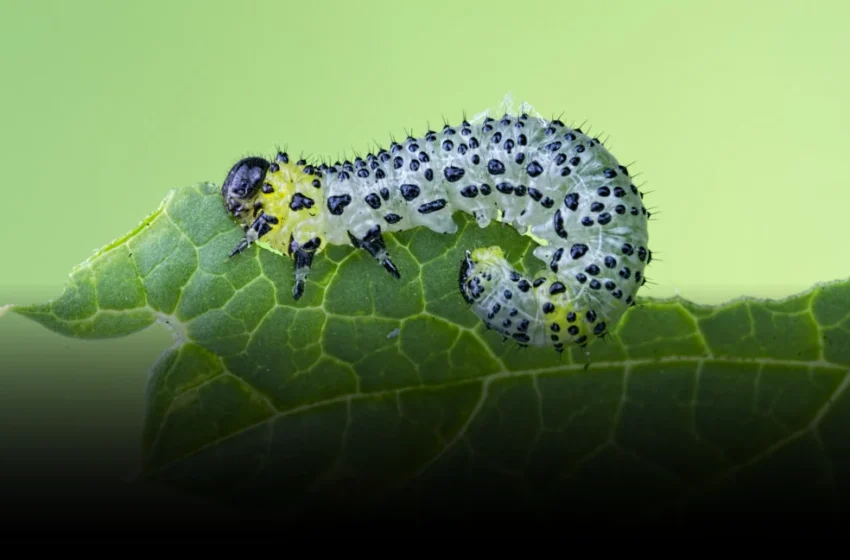
Decoding Nature’s Chemical Command Center
An 11-amino acid fragment of a recycled plant protein, regurgitated onto a leaf by a hungry caterpillar, is not just biological detritus. It is, in fact, a precise distress signal. This isn’t a curiosity from a forgotten textbook; it’s the latest breakthrough in understanding plant intelligence, a discovery that could fundamentally reshape how we protect crops globally. The intricate mechanism uncovered in common bean plants reveals a sophisticated internal communication system, orchestrated by a single immune receptor, that could render many traditional pest control methods obsolete. This revelation suggests a profound shift from external, blanket chemical interventions to leveraging the plant’s own nuanced, bio-intelligent defense protocols.
For decades, researchers knew plants could release volatile organic compounds – essentially airborne chemical signals – to attract the natural enemies of their attackers. What remained a black box, however, was the upstream signaling: how a plant actually detects the threat in the first place, and then translates that physical assault into a targeted call for help. Adam Steinbrenner, a biologist at the University of Washington, articulated this gap: “One thing we didn’t know is how the plant detects the caterpillar in the first place.”
His team’s work has cracked this code. When a caterpillar feeds, it introduces saliva into the plant’s damaged tissues. This saliva contains specific biological clues, known as HAMPs (herbivore-associated molecular patterns), including a peptide called inceptin. Crucially, a specific fragment of this peptide, In11, originates from the plant’s own ATP synthase, a core component of its chloroplasts. As the caterpillar digests plant material, its gut enzymes break down these proteins, and In11 is then regurgitated onto the leaf surface. It is this recycled, partially digested plant material that acts as the ultimate trigger, detected by a singular immune receptor in the bean plant, initiating a highly specific counter-offensive.
The Agricultural Reckoning: Beyond Broad-Spectrum Toxins
This deep dive into the plant’s internal defense system goes far beyond academic curiosity; it’s a blueprint for a future agricultural paradigm. For too long, crop protection has relied on an arms race of chemical pesticides – an approach with well-documented environmental consequences, resistance issues, and consumer pushback. Companies like Bayer and Syngenta continue to dominate, but their model faces increasing scrutiny. The discovery of this precise immune receptor highlights a critical flaw in this traditional strategy: it ignores the plant’s inherent, sophisticated bio-sensing capabilities.
The real incentive behind understanding these mechanisms isn’t just scientific advancement; it’s the pursuit of sustainable, precision agriculture solutions that can scale. While integrated pest management (IPM) has long advocated for a holistic approach, the missing piece has often been a sufficiently granular understanding of the plant’s own signaling pathways. This breakthrough offers just that, suggesting a future where crop protection isn’t about applying external toxins, but about intelligently stimulating or enhancing a plant’s native defenses. Imagine a scenario where crops are engineered, or treated with biologicals, to be hyper-responsive to these natural distress signals, summoning local beneficial insects or activating internal anti-feedant compounds with surgical precision.
However, one must remain skeptical: translating such nuanced biological intelligence into large-scale commercial agricultural practice is an immense challenge. The existing infrastructure of agrochemical giants is built around chemical synthesis and broad application, not fine-tuned biological orchestration. The path from laboratory discovery to field implementation for a bio-intelligent solution is often protracted and fraught with economic pressures. Furthermore, scaling these precision methods to millions of hectares, across diverse environments and plant species, presents significant hurdles that traditional pesticides, for all their drawbacks, manage with relative ease.
Architecting a Bio-Intelligent Future
The immediate impact of this research is not a new product on store shelves tomorrow, but a profound re-evaluation of genetic engineering and synthetic biology targets. Instead of simply introducing genes for pesticide resistance, future CRISPR applications could focus on optimizing these inherent immune receptors, making plants even more sensitive and responsive to specific pest threats. This could lead to a new generation of crops capable of robust, self-managed defense systems. It’s a fundamental shift from treating symptoms to enhancing the plant’s natural immune system.
This bio-intelligent approach also aligns with growing consumer demand for reduced chemical inputs and more environmentally friendly food production. The technology sector, with its increasing foray into biotech and ‘AI for biology,’ will undoubtedly eye these discoveries as ripe for computational modeling and advanced bio-engineering. We are moving towards a future where data-driven insights into plant physiology and molecular biology inform agricultural practices at an unprecedented level of detail. The bean plant’s humble immune receptor offers a glimpse into agriculture’s next frontier: one where the future of crop protection is not found in the laboratory of a chemical company, but in the intricate, elegant biological code already running within every living plant.
