
Starlink’s Price Hike and Rental Fees: The Telco Transformation of a Disruptor
- Tech
Arjun Vedanta
- 0
- 5 minutes read
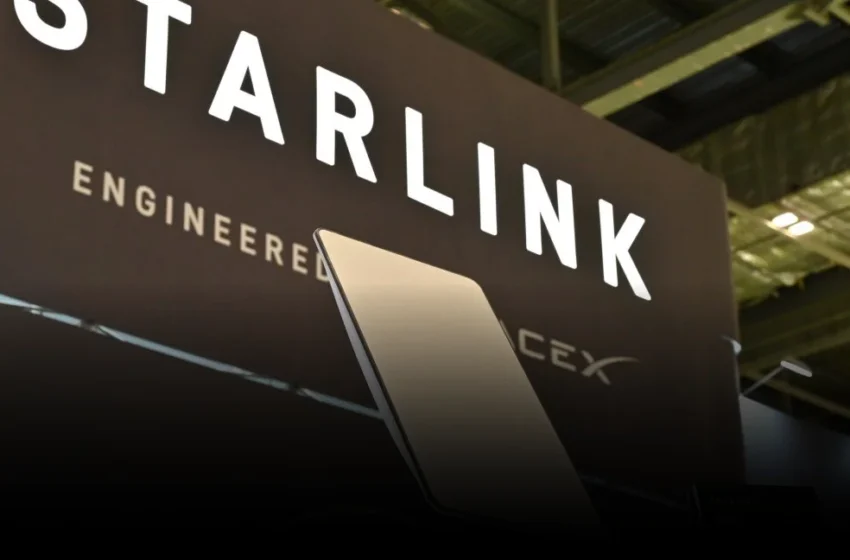
Starlink’s Price Hike and Rental Fees: The Telco Transformation of a Disruptor
A $10 monthly hardware rental fee might seem insignificant at first glance, but for Starlink, it represents a fundamental re-evaluation of its long-term business strategy. This isn’t merely a tweak to a pricing sheet; it’s a decisive step away from the disruptor playbook and squarely into the well-worn path of established telecommunications providers. The move, alongside recent service price hikes, suggests Starlink is prioritizing predictable, recurring revenue streams and a more traditional financial footing, shedding its early identity as a pure innovator.
The New Math of Satellite Connectivity
Starlink’s decision to shift from an upfront hardware purchase model to a monthly rental fee for its terminal and router fundamentally alters the customer acquisition equation. Previously, users paid a substantial one-time fee, often hundreds of dollars, for the Starlink kit, followed by a monthly service subscription. Now, new residential customers face an upfront hardware cost of $0, but a recurring $10 “kit fee” on top of their internet service charges. This closely mirrors the revenue structure that traditional cable and broadband companies have relied on for decades, cushioning their initial infrastructure investments with ongoing charges for customer-premises equipment.
This change arrives as Starlink also raised its monthly internet service prices by $5 to $10 across various tiers. A 100Mbps plan now costs $55 per month, with 200Mbps priced at $85, and the “Max” tier, capable of speeds up to 400Mbps, reaching $130 monthly. These cumulative increases, while seemingly incremental, place Starlink’s total monthly cost firmly in line with, or even exceeding, terrestrial broadband options in many developed markets. For a service often pitched as connecting the underserved and those beyond the reach of conventional infrastructure, its economics are increasingly aligned with those who already have alternatives — a telling sign of its evolving market positioning.
Why the Pivot? Financial Gravity and Scaling
This strategic pivot is undeniably driven by the relentless financial gravity of operating a global satellite internet constellation. Starlink, a division of SpaceX, has launched thousands of LEO satellites, requiring immense capital expenditure in manufacturing, rocket launches, and ground station infrastructure. Selling hardware at or below cost, a common tactic for tech companies to rapidly build market share, creates a front-loaded balance sheet challenge that is simply unsustainable for a project of this scale and ambition. Shifting to a rental model allows Starlink to amortize hardware costs over time, ensuring a continuous, predictable revenue stream tied directly to the equipment’s operational lifespan. This also provides an ongoing incentive for customers to return equipment, streamlining potential upgrades and replacements and mitigating e-waste.
The immediate beneficiaries of this framing are Starlink’s investors and, ultimately, SpaceX’s broader financial health. By converting a significant capital expense for customers into an operational expense for Starlink, the company transforms its cash flow profile. It enables a more predictable income stream, vital for scaling global operations, securing future funding rounds, and charting a clearer path towards sustainable profitability. This explains precisely why this announcement is happening now – it’s a clear maturity play, signaling an intent to build a robust, long-term viable business rather than solely chasing rapid subscriber growth at any cost, a luxury few infrastructure providers can afford indefinitely.
The Eroding Edge of Disruption
When Starlink first emerged, its narrative was compelling and distinct: bring high-speed internet to the remotest corners of the globe, thereby disrupting the antiquated, often non-existent, offerings in rural and underserved areas. Its initial hardware pricing model, while high, offered a sense of ownership and a clear value proposition for those desperate for connectivity beyond a mobile hotspot. The new model, however, subtly undermines this initial promise. By aligning so closely with the rental fees of traditional internet service providers (ISPs), Starlink risks shedding its perception as a truly different, truly revolutionary alternative.
The company is effectively becoming another telco, albeit one operating in orbit. Its competitive landscape is rapidly shifting from solely addressing geographical voids to competing on price and service features against a wider array of fixed wireless access (FWA) providers, national broadband initiatives, and even other Low Earth Orbit (LEO) constellations like OneWeb or Amazon’s Project Kuiper. While Starlink’s underlying satellite technology remains an impressive feat of engineering, the business model increasingly reflects the pragmatism of infrastructure plays rather than the idealism of pure technological disruption. For those who saw Starlink as a definitive answer to digital exclusion, the creeping cost increases and new rental fees suggest that the “unconnected” may still face significant financial barriers, even with a constellation of satellites overhead. This gradual evolution from a disruptive challenger to a more conventional utility provider marks a telling phase in the commercialization of space-based internet, confirming that even the most ambitious ventures eventually bow to economic realities.
