
Nobel Laureate’s Exodus: The Quiet Reshaping of AI Research Dominance
- Artificial Intelligence
Arjun Vedanta
- 0
- 5 minutes read
The Lure of the AI Frontier
The quiet departure of John Jumper, a Nobel laureate in chemistry, from Google DeepMind to Anthropic is not merely a high-profile personnel change. This move, following closely on the heels of Character AI co-founder Noam Shazeer’s exit from DeepMind to OpenAI, underscores a profound, often overlooked structural re-alignment of top-tier AI scientific talent.
These aren’t just individual career decisions; they signal a critical shift of foundational AI research away from the sprawling, established corporate labs of tech giants towards a new generation of agile, well-funded ‘frontier AI’ startups. The implications for who drives the next wave of innovation, and how it is commercialized, are substantial and far-reaching.
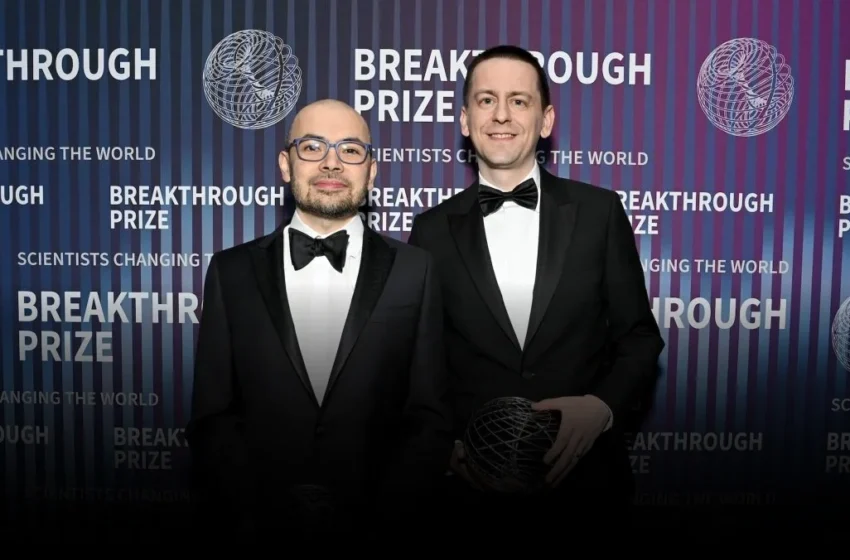
Jumper, a name synonymous with scientific breakthrough, shared a Nobel Prize in 2024 with DeepMind CEO Demis Hassabis for their work on AlphaFold. This groundbreaking AI model predicts the 3D structure of proteins based on genetic sequences, effectively revolutionizing fields from drug discovery to synthetic biology. His almost nine-year tenure at DeepMind saw him lead the AlphaFold team just six months after completing his PhD – a testament to Google’s historical willingness to back ambitious, long-shot science.
Yet, the gravitational pull of Anthropic for minds like Jumper is evident. These newer entities promise a more focused environment, unburdened by the sprawling product roadmaps and internal politics that can stifle pure research within larger corporations. They offer massive compute resources and direct access to cutting-edge large language models, providing a perceived direct path to impact in the race for advanced general intelligence, a goal often framed as existential.
The incentive for such high-calibre researchers is clear: while DeepMind provided the fertile ground for initial breakthroughs like protein folding, the commercialization and application of that pure research often felt distant, caught in Google’s vast bureaucratic machinery. Startups, with their singular focus and direct funding streams, offer the immediate gratification of seeing foundational work applied, even as they too pursue their own aggressive commercialization paths.
DeepMind’s Talent Drain Paradox
DeepMind’s legacy is undeniably rich, marked by world-beating AI achievements in games like Go and complex scientific problems. It has consistently attracted and cultivated some of the brightest minds in artificial intelligence, fostering an environment that enabled truly novel research. This makes the recent high-profile exits, particularly Jumper’s, a significant paradox for the organization.
Google has historically struggled to integrate DeepMind’s scientific breakthroughs into successful, scalable products beyond initial demonstrations. The Bloomberg report noting Jumper’s involvement in developing coding tools that Google struggled to sell to businesses highlights this chasm. For scientists whose work is meant to push the boundaries of knowledge, seeing their innovations languish in product purgatory can be incredibly frustrating.
The current landscape presents a stark choice: remain within a large, well-resourced but often slow-moving corporate giant, or jump to an agile, equally well-resourced — thanks to billions in venture capital and strategic partnerships — startup wholly dedicated to AI. This choice isn’t just about salaries; it’s about the perceived pace of progress and the scope of impact.
It begs the skeptical question: are these ‘frontier AI’ startups truly offering more scientific freedom, or are they simply better at packaging a similar quest for commercial advantage and market dominance under the more palatable guise of pure AGI development and ‘AI safety’ ethics? The core drive for capital and market share remains, regardless of the institutional branding.
Reshaping AI Research Leadership
This movement of top talent fundamentally reshapes the competitive landscape for AI innovation. For years, the prevailing wisdom held that only tech giants with their vast resources could afford the long-term, expensive bets required for foundational AI research. Jumper’s move, alongside others, challenges that notion directly.
It suggests that a new breed of highly capitalized, lean AI-first entities can now compete — and even surpass — established corporate labs in attracting and retaining the intellectual capital essential for breakthrough discoveries. This shift has parallels in other industries, where focused biotech startups have often outmaneuvered pharmaceutical behemoths in specific areas of drug discovery due to their agility and specialized focus.
The focus on compute resources and advanced model development at companies like Anthropic and OpenAI aligns with the immediate aspirations of many leading AI researchers. It allows them to bypass the complexities of integrating into broader product ecosystems and instead concentrate on pushing the raw capabilities of AI itself. This specialized environment, combined with substantial funding, creates a powerful draw.
The long-term implications for how AI is developed, governed, and ultimately commercialized are significant, moving beyond the traditional Silicon Valley narratives of internal innovation versus acquisition. The true battleground for AI leadership is becoming less about corporate behemoths acquiring promising startups, and more about who can effectively cultivate and retain the rare individuals capable of making AI’s next leaps.
