
UK’s Bleach-Bag Cancer Clinic Exposes Critical Regulatory Failures
- Tech
Arjun Vedanta
- 0
- 5 minutes read
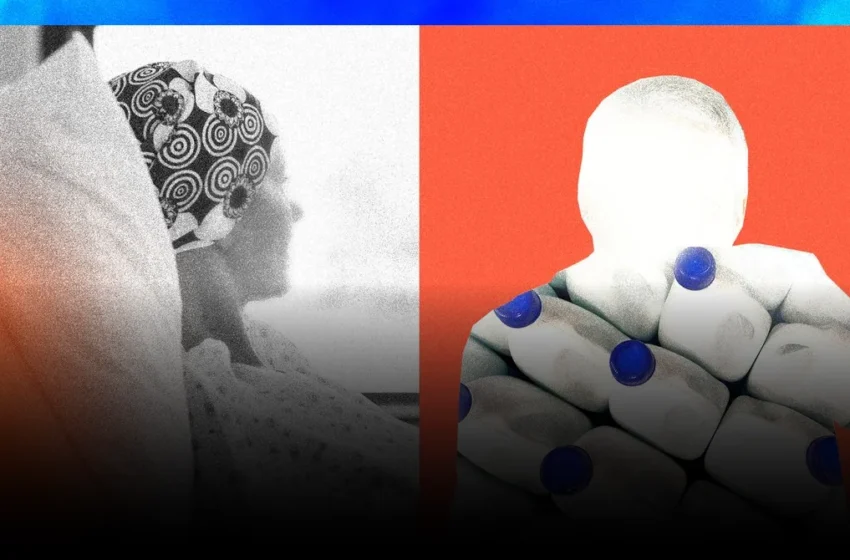
When ‘Wellness’ Becomes a Regulatory Blind Spot
Patients with terminal cancer are being gassed, naked and isolated in plastic bags, with industrial bleach solution in a London clinic run by a former ice-cream entrepreneur. This isn’t a dystopian novel plot; it is the stark reality at Battersea Park Clinic, where Alastair Jessel administers a dangerous protocol of chlorine dioxide gas, even admitting its peril. The true scandal isn’t merely the audacious quackery itself, but the glaring holes in the UK’s regulatory framework that allowed such a dangerous practice to persist and even thrive, sidestepping every conventional safeguard designed for public health.
The Care Quality Commission, England’s health regulator, investigated Jessel’s operation but declared it “out of scope” because no “listed healthcare professional” was involved. This chilling bureaucratic pronouncement highlights a profound systemic weakness. When practitioners deliberately avoid traditional medical accreditation, they exploit a legal grey area, transforming overtly dangerous medical fraud into a nebulous form of “wellness coaching” or “alternative therapies” that existing bodies like the CQC struggle to classify, let alone shut down. It is a critical lacuna, revealing that consumer protection for vulnerable individuals seeking healthcare does not always extend to those receiving non-traditional treatments from unlicensed practitioners.
Jessel, with no medical or scientific background, registered his clinic in December 2021. His journey from stockbroker to ice cream maker to self-proclaimed “UK’s Mr. Chlorine Dioxide” illustrates a disturbing trend: expertise is increasingly self-appointed, validated not by peer review but by echo chambers on fringe podcasts and social media. He claimed to have become an expert after watching “150 to 200 hours worth of videos.” This self-anointed authority, amplified by online disinformation, becomes a potent lure for desperate patients, who are often paying significant sums—one family reported spending approximately $5,000.
The Digital Echo Chamber of Pseudoscience
This London clinic is not an isolated incident but a symptom of a larger, globally interconnected ecosystem of health misinformation. Chlorine dioxide, peddled as a “Miracle Mineral Solution,” has been falsely touted for decades as a cure for everything from HIV to COVID-19. Its recent resurgence, however, carries a distinct modern inflection point.
A year ago, the US Food and Drug Administration quietly removed a warning about the substance from its website. While the agency stated this was routine archiving, the effect was immediate and predictable: it emboldened the global “bleacher community,” providing perceived legitimacy to their dangerous claims. This subtle bureaucratic action, however unintended, demonstrates how easily a vacuum of clear, consistent public health messaging can be filled by opportunistic purveyors of pseudoscience, especially when amplified by figures like Robert F. Kennedy Jr., who mentioned chlorine dioxide during his Senate confirmation hearing in January 2025.
The incentive here is multifaceted. For individuals like Jessel and Andreas Kalcker, the German booster of Protocol G, there is clearly financial gain. But more broadly, it feeds into a powerful anti-establishment narrative that positions conventional medicine as a conspiracy, allowing charismatic figures to cultivate loyal followings. The most skeptical observation one can make is that regulators, globally, are still playing an analogue game in a digital era. They react to traditional storefronts and licensed professionals, yet struggle to comprehend or combat the virality of health misinformation that emanates from podcasts, private messaging groups, and archived websites, often crossing national borders before a single authority can act decisively.
Reimagining Consumer Protection for a Digital Age
The UK’s Cancer Act 1939 prohibits nonmedical professionals from advertising cancer treatments. Yet, Jessel’s clinic continues to promote chlorine dioxide via its Facebook page and has only partially scrubbed references from its website, relying on the ephemeral nature of online content and the difficulty of enforcement against non-traditional channels. The Medicines and Healthcare Products Regulatory Agency (MHRA) correctly states that any product claiming to treat disease requires specific authorisations, which chlorine dioxide lacks. But without a direct link to a regulated healthcare professional, enforcement becomes a bureaucratic hot potato.
This case is a stark reminder that traditional regulatory frameworks, built for a world of brick-and-mortar clinics and easily identifiable medical professionals, are profoundly ill-equipped to handle the entrepreneurial spirit of modern quackery. The problem is not a lack of laws, but a lack of agility and clear jurisdiction when an operation positions itself just outside the traditional medical sphere. This isn’t just a matter for health departments; it demands coordinated action across consumer protection, trading standards, and even digital platform regulation. Public health demands a proactive approach that anticipates how unscrupulous actors will exploit the seams between different regulatory bodies, rather than merely reacting to the most egregious abuses after patients have already suffered.
Until these disparate authorities develop a more cohesive and adaptable strategy, the most vulnerable among us will remain susceptible to dangerous, unproven treatments, all while the individuals peddling them claim ignorance of medical practice and benefit from regulatory ambiguity. The internet has democratised access to information, but it has also dangerously democratised the ability to dispense dangerous, unproven medical advice without consequence.
