
Microsoft’s Endless Windows 10 Extensions Expose a Deeper OS Adoption Crisis
- Software
Arjun Vedanta
- 0
- 5 minutes read
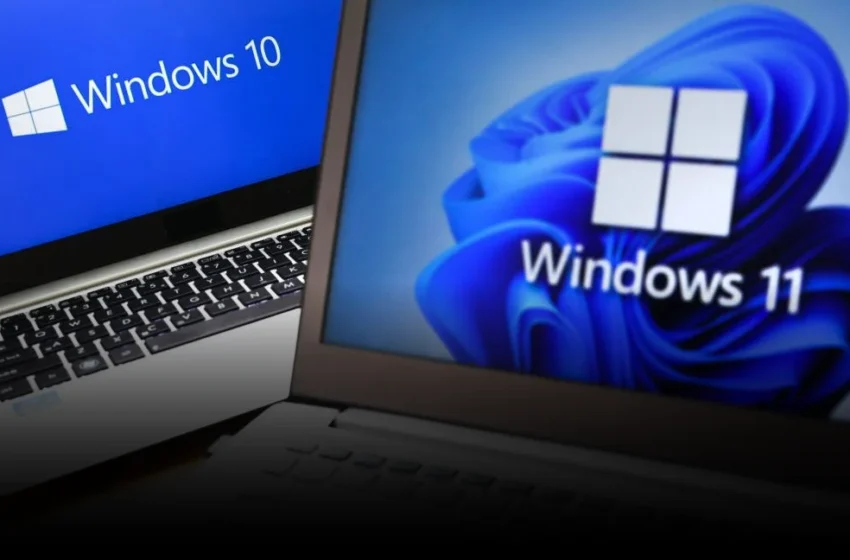
The Perpetual End-of-Life That Isn’t
Another year has been quietly tacked onto Windows 10’s Extended Security Updates (ESU) program, pushing its final, final, *final* curtain call to October 12, 2027. This isn’t just an administrative tweak; it’s a telling admission from Microsoft that its aggressive push for Windows 11 adoption is colliding with a stubbornly immovable installed base. The initial promise of a free year of extended support, which launched after official Windows 10 support ended in 2025, has now been stretched a second time. This repeated extension, often announced with barely a whisper, reveals a fundamental structural tension between Microsoft’s product lifecycle ambitions and the persistent, real-world inertia of millions of users and enterprises.
When the last regular updates rolled out for Windows 10 last October, the unspoken expectation was a swift migration to Windows 11. Instead, the numbers told a different story: Windows 11 usage had only *barely* surpassed its predecessor. For a company that once dictated upgrade cycles with an iron fist, this lingering attachment to a superseded operating system is more than just an inconvenience; it represents a significant challenge to its long-term strategy, particularly its increasingly cloud-first, subscription-centric future.
This isn’t about mere user preference anymore. It’s about the costly, complex reality of IT infrastructure. Businesses globally, from small firms in Southeast Asia to national government agencies in Europe, still rely on Windows 10. Many have specialized software, legacy hardware, or strict regulatory compliance hurdles that make a quick jump to Windows 11 an expensive and risky proposition. The additional year gives these entities breathing room, but it also signals to them that Microsoft’s deadlines are, at best, soft targets. This erodes the very urgency Redmond tries to instill, effectively kicking the can down the road rather than addressing the underlying friction points.
The Enterprise Dilemma and Microsoft’s Unspoken Concession
Microsoft’s incentive here is clear, if tacitly acknowledged: unpatched Windows 10 machines are a massive security liability, not just for their owners, but for the broader internet ecosystem. Each exposed endpoint is a potential entry point for ransomware, botnets, and other threats that can ripple through supply chains and critical infrastructure. The cost of containing a widespread cyberattack stemming from a vulnerable, unsupported Windows 10 fleet would far outweigh the revenue lost from delayed Windows 11 upgrades or ESU fees. So, a silent extension, rather than a forced deprecation, becomes a pragmatic, if awkward, compromise to safeguard its own reputation and the digital commons.
Consider the scale: even if only a fraction of Windows 10’s peak user base remains, that still accounts for hundreds of millions of devices. Many of these are within large enterprises or public sector organizations that operate on multi-year procurement and deployment cycles. Upgrading to Windows 11 often isn’t just a software patch; it can necessitate hardware refreshes to meet stricter minimum requirements, extensive application compatibility testing, and retraining for IT staff. These are not trivial undertakings, especially for organizations with lean budgets or distributed workforces. The repeated extensions suggest Microsoft’s market intelligence has fundamentally underestimated this friction.
This situation also raises uncomfortable questions about the longevity of future operating systems. If Windows 10, a largely successful and stable OS, struggles to be decommissioned, what does that imply for Windows 12, or whatever comes next? Will every future OS launch be met with the same resistance, forcing Microsoft into a perpetual cycle of extending support for the ‘old’ generation? This trend could fundamentally alter how enterprises plan their software lifecycles, leading to even greater skepticism about future upgrade mandates.
Beyond the Desktop: Cloud Aspirations and Hardware Inertia
Microsoft’s broader strategy hinges on a continuous flow of users into its modern ecosystem, tightly integrated with Azure and its subscription services like Microsoft 365. The lingering presence of Windows 10, especially in enterprise environments, creates a friction point that can delay the adoption of newer security features, cloud management tools, and AI-powered capabilities that are often exclusive to Windows 11 or require its underlying architecture. It’s a drag on the company’s vision for a seamlessly connected, secure, and intelligent platform.
The move also underscores a critical tension in Microsoft’s hardware strategy. The push for Windows 11 was tied to a refreshed hardware ecosystem, leveraging features like TPM 2.0 and secure boot to enhance security and performance. By effectively endorsing continued Windows 10 usage on older, less secure hardware, Microsoft undermines its own messaging about the benefits of modern devices. This sends a mixed signal to original equipment manufacturers (OEMs) and IT decision-makers, suggesting that the stringent requirements for Windows 11 might not be as non-negotiable as initially presented. The sharpest observation here is that Microsoft, despite its immense power, cannot simply dictate reality; it must continually adapt to the sprawling, messy, and often slow-moving reality of its global user base.
What we’re witnessing is not just a policy change, but a slow-motion strategic recalibration. Microsoft is learning, the hard way, that even with a dominant market position, user inertia and enterprise complexity are formidable forces. The quiet extension of Windows 10’s life isn’t a sign of generosity; it’s a concession to an unavoidable truth: the upgrade treadmill often moves at the pace of the slowest, most entrenched customer.
