
Coyote vs. Corporate Finance: When Intellectual Property Becomes a Tax Write-Off
- Tech
Arjun Vedanta
- 0
- 5 minutes read
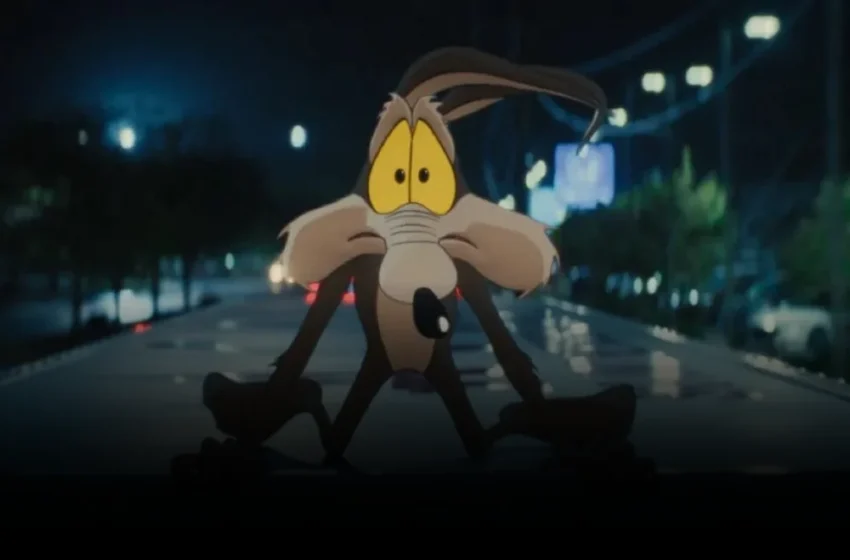
The Ledger Entry That Almost Ate a Film
The release of Coyote vs. Acme, a film based on Ian Frazier’s 1990 satirical piece in The New Yorker, is not merely a triumph for Looney Tunes fans. It is a stark reminder of the bizarre calculus governing modern media conglomerates. The film, developed since 2018 and completed, spent three years in limbo after Warner Bros. opted in 2023 to shelve it entirely, seeking a tax write-off.
This wasn’t about creative shortcomings, despite the whispers that always follow such decisions. With talent like James Gunn involved in the script, the narrative of a flawed product simply doesn’t hold water. Instead, a completed artistic work was poised to become nothing more than a line item on an accountant’s spreadsheet, a loss to offset profits elsewhere. This move, which sparked considerable outrage across the industry and among the public, laid bare an uncomfortable truth about how the titans of content now view their own creations.
For too long, the prevailing narrative around studio decisions has centered on audience reception or artistic integrity. Yet, behind the scenes, a more ruthless logic often dictates fate. The incentive for shelving a finished film isn’t about protecting the brand or adjusting for market shifts; it’s often a direct calculation of corporate finance, designed to manipulate quarterly earnings or annual tax burdens. This particular incident highlights an accelerating trend: the reduction of intellectual property, no matter how beloved or well-crafted, to a purely financial asset.
The Global Stakes of Content Monetization
From Geneva to Singapore, the perception of US media conglomerates often fixates on their technological prowess or cultural influence. What goes unexamined, however, is the increasingly abstract financial engineering dictating their output. The decision to bury Coyote vs. Acme for a tax advantage is not an isolated incident; it’s a symptom of a broader shift in studio economics that prioritizes asset management over storytelling. We see similar patterns in the tech sector, where companies like Meta will shutter promising VR projects or Google will abandon nascent moonshots, not because the technology failed, but because the quarterly balance sheet demanded a different allocation of capital or a tax advantage.
This is where the Silicon Valley perspective, so often focused on product launches and user metrics, misses the crucial global implication. When a major studio can simply erase years of creative labor for a tax benefit, it sends a chilling message to creatives and investors worldwide. It signals that content, which forms the bedrock of our digital economies and cultural exports, is ultimately fungible. A film, a series, even a game, can be sacrificed if it serves a larger corporate accounting strategy.
The outrage in 2023 wasn’t just about a cartoon. It was a visceral reaction to the devaluing of creativity itself. It highlighted how fragile artistic output truly is when caught in the gears of global corporate finance. This approach transforms intellectual property from a cultural touchstone into a mere financial instrument, to be traded, written down, or discarded based on current tax codes and shareholder demands. This isn’t just about Hollywood; it’s a blueprint for any industry dealing with intangible assets and massive liabilities.
The Perilous Future of IP and Creative Industries
The successful release of Coyote vs. Acme may feel like a victory against corporate cynicism, a rare win for art over the spreadsheet. But we should be wary of framing it as such. The fact that the film even came this close to the brink reveals a deep structural flaw in how creative industries are managed at the highest levels. The precedent was set: a finished product, costing millions and employing hundreds, can be wiped from existence not due to market failure or artistic miscalculation, but solely for accounting purposes.
This dynamic has profound implications for every creator and for the future of content monetization. Why invest years in developing a unique IP if its value can be arbitrarily zeroed out? Who benefits from this framing? Warner Bros. initially benefited from the potential tax write-off, and now, arguably, benefits from the positive press and potential revenue of a film that almost wasn’t. But the real beneficiaries are the financial structures that allow such maneuvers to occur, effectively privatizing the value of creative output while externalizing the risk and uncertainty onto artists and production teams.
My sharpest observation here is that the global audience, delighting in the film’s quality today, is effectively subsidizing a corporate risk strategy. They are celebrating the survival of a film that was deemed more valuable as a tax deduction than as a cultural offering. This incident is a bellwether for the increasing financialization of media, where the integrity of intellectual property is secondary to the quarterly report. It’s a chilling prospect for a world that increasingly relies on digital content for both entertainment and economic growth, suggesting that even the most beloved stories are merely pawns in a far larger, less visible game of corporate chess.
