
Apple’s iPhone Duo: A Strategic Entrenchment, Not Foldable Innovation
- Hardware
Arjun Vedanta
- 0
- 5 minutes read
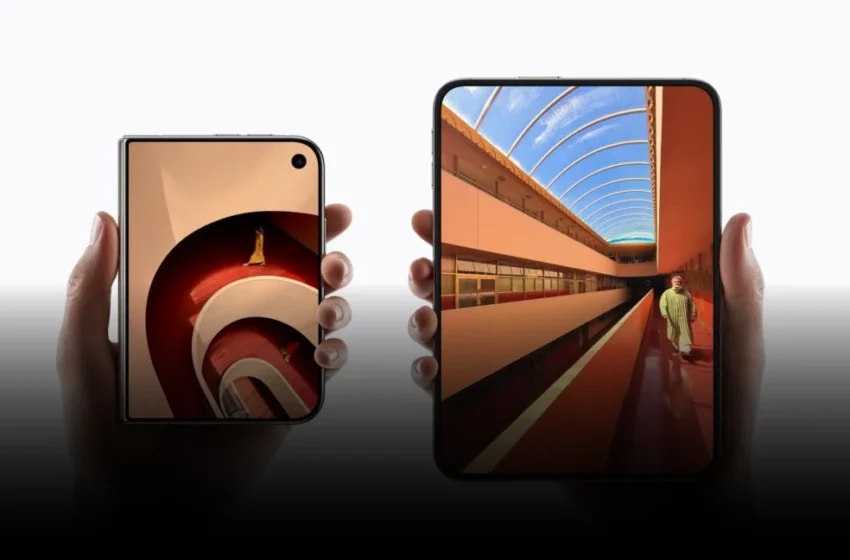
The Apple-shaped Hole in a Mature Market
For the better part of a decade, companies like Samsung, Huawei, Xiaomi, and Google have been pushing the boundaries of what a smartphone can be, experimenting with various foldable form factors, often with mixed results and eye-watering price tags. While these players navigated hinge failures, software glitches, and the economic realities of nascent technology, Silicon Valley’s darling remained conspicuously absent from the fray, content to perfect its slate design. Now, with the iPhone Duo, Apple is stepping onto a stage that others have meticulously, sometimes painfully, constructed. The device lands as undeniably capable, priced at $1,999, similar to the Galaxy Z Fold 8. Yet, to call this a leap forward for foldable technology itself feels disingenuous. This is Apple legitimizing a segment that already exists, primarily for its existing, affluent user base who might otherwise have looked to an Android device for this specific kind of physical flexibility.
The market has already seen the evolution of designs from tall, narrow devices to wider, more tablet-like forms. Samsung’s recent iterations, including the Galaxy Z Fold 8, have demonstrably refined the user experience on larger, more expansive folding screens. Apple’s “denunciation of foldables that open into a square aspect ratio,” framing it as a design flaw that stretches apps and leaves “gargantuan black bars” for video, is less an objective critique and more a deliberate justification for its own chosen design constraints.
It’s less about superior engineering vision and more about carefully curated product differentiation.
Controlled Flexibility: Apple’s Walled Garden on the Go
Apple’s approach to the foldable form factor is, predictably, a study in control. The company’s critique of “square aspect ratio” foldables highlights its preoccupation with how content is consumed and how apps are displayed within its ecosystem. This isn’t a design choice driven by a desire for open-ended adaptability, but rather by a specific, Apple-defined vision of “flexibility” that prioritizes media consumption and side-by-side app usage in a manner conducive to its existing App Store guidelines and developer ecosystem. The incentive here is clear: Apple benefits immensely from defining the “right” way a foldable should operate, ensuring that software integration remains seamless and, crucially, that its revenue streams from services and app commissions are protected and enhanced, not complicated by radically different user interfaces.
The company has historically excelled at taking established concepts and refining them through rigorous integration of hardware and software. This is not innovation in the sense of pioneering a new category, but rather a strategic absorption. By dictating the acceptable parameters for foldable interaction, Apple minimizes the potential for fragmented user experiences or developer confusion, which could otherwise dilute the tightly controlled quality associated with the brand.
This strategy allows Apple to offer a “foldable” without truly embracing the wilder, more experimental spirit that defined the early days of the form factor in the Android world. For a company so deeply invested in a unified, intuitive user experience, allowing for an “awkward” or “gargantuan” presentation of content is anathema. Therefore, the iPhone Duo’s design is not merely a product decision; it is an ideological statement about how digital information should be presented and consumed, even on a folding screen.
A Two-Tiered Future for Premium Handsets
The $1,999 price tag of the iPhone Duo positions it firmly in the ultra-premium segment, a space where Apple has always thrived. This isn’t an attempt to bring foldables to the masses; it’s a calculated move to capture an even larger share of wallet from its most loyal and affluent customers. By offering a device that is, to quote the source, “the most capable iPhone ever,” it provides an upgrade path for those who seek the very pinnacle of Apple’s technology and are willing to pay a substantial premium for it. This decision reinforces a growing segmentation within the premium smartphone market itself.
No longer is the top-tier simply the largest or most powerful non-folding iPhone; it now encompasses a distinct, even more exclusive folding category. This creates a two-tiered premium market: the standard flagship iPhone and the ultra-premium foldable. The iPhone Duo is not designed to lure Android users away from their Galaxy Z Folds or Pixels by offering a fundamentally different experience. Instead, it serves to prevent existing iPhone users from ever having a reason to look outside the Apple ecosystem for their next device, particularly if they covet a folding screen.
This move is less about expanding the overall foldable market and more about increasing Apple’s average selling price (ASP) and solidifying brand loyalty among its most dedicated consumers. It’s a masterful execution of market entrenchment, ensuring that even as adjacent technologies mature, Apple remains the default, high-margin choice for its customer base, irrespective of what groundbreaking, albeit messier, innovations might emerge from its rivals. The foldable phone is here to stay, but in Apple’s hands, it becomes another exclusive gateway into its established, lucrative universe.
