
AI’s Hidden Cost: Why Nvidia’s Shield TV Pro Just Got $100 More Expensive
- Hardware
Arjun Vedanta
- 0
- 10 minutes read
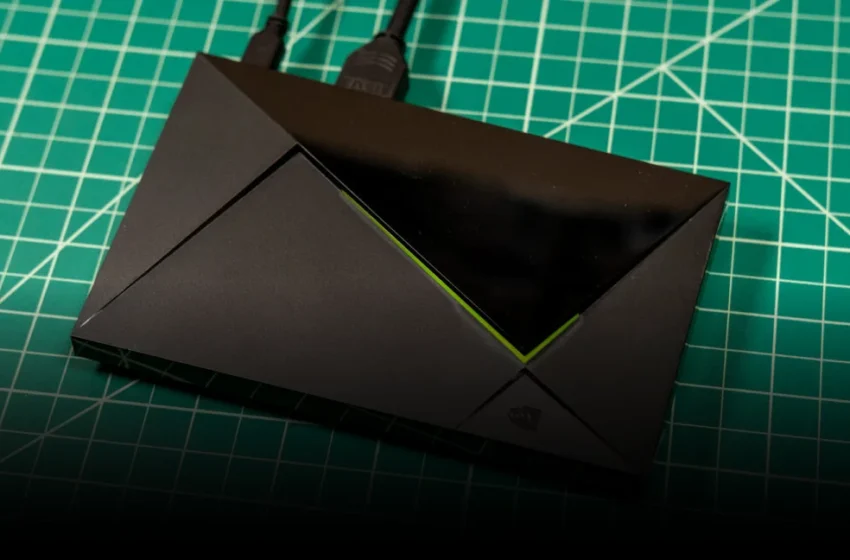
AI’s Hidden Cost: Why Nvidia’s Shield TV Pro Just Got $100 More Expensive
Nvidia’s Shield TV Pro, a premium Android TV streaming device that debuted in 2019, is now priced at $299.99, a substantial $100 increase from its original $199.99 launch price. This unexpected hike, effective October 2, is a direct consequence of surging component costs, particularly memory, driven by the insatiable demands of the generative artificial intelligence boom across the tech industry.
For US consumers and tech enthusiasts, this price adjustment signifies a crucial trend: the economic ripple effect of AI is extending far beyond cutting-edge data centers and specialized hardware. Even established, 5-year-old consumer electronics like the Shield TV Pro are feeling the pinch, forcing price increases that highlight the intense competition for foundational components. This dynamic underscores how deeply intertwined the entire tech supply chain has become with the AI revolution, impacting everything from high-performance GPUs to the memory chips in your everyday streaming box.
The Unexpected Impact of AI on Mature Hardware
The generative AI explosion has created unprecedented demand for high-bandwidth memory (HBM) and vast quantities of standard DRAM and NAND storage. As AI models grow larger and more complex, requiring immense computational power and memory capacity for training and inference, the global supply of these crucial components is being stretched thin. This isn’t just affecting the latest AI accelerators; it’s creating upward price pressure across the board.
Nvidia itself confirmed the reason for the price increase to Ars, stating, “Starting October 2, SHIELD Pro will be priced at $299. The cost of components, including memory, has increased substantially across the industry.” This statement clarifies that the demand from AI is driving up the base cost of components like memory, regardless of whether the end product is an AI supercomputer or a home media streamer. Even though the Shield TV Pro’s Tegra X1+ processor and its associated memory modules are not cutting-edge AI-specific hardware, they are still subject to the same supply-and-demand forces that are re-shaping the broader component market.
The consequence for American consumers is straightforward: expect similar price pressures on a range of devices from laptops and smartphones to gaming consoles and smart home gadgets that rely heavily on memory and storage. Manufacturers, facing higher bills for their bill of materials, will inevitably pass some of those costs on to buyers.
Shield TV Pro: A Niche Device in a Shifting Market
The Nvidia Shield TV Pro has long held a unique position in the US streaming device market. Launched in 2019, it stood out with its robust Tegra X1+ processor, hardware decoding for a vast array of media formats, and advanced features like AI-powered upscaling (a feature it had long before the current generative AI craze). It also offered Plex Media Server capabilities, Nvidia GameStream, and GeForce NOW integration, appealing to power users, media enthusiasts, and casual gamers seeking more than a basic streaming stick.
However, the streaming landscape has evolved rapidly since 2019. Cheaper, capable alternatives from Roku, Amazon, Google, and Apple have saturated the market, offering 4K HDR streaming for significantly less money. The Shield TV Pro’s premium features, while still valuable, cater to a smaller, dedicated segment of the audience.
The $100 price hike makes the Shield TV Pro’s value proposition even more challenging against these competitors. At nearly $300, it positions itself at the very top of the consumer streaming device market, a price point typically reserved for high-end home theater components or entry-level gaming consoles.
| Device (US Market) | Launch Year | Original Price | New Price (if applicable) | Key Features |
|---|---|---|---|---|
| Nvidia Shield TV Pro | 2019 | $199.99 | $299.99 | Tegra X1+, AI Upscaling, Plex Server, GeForce NOW |
| Apple TV 4K (128GB) | 2022 | $149.00 | N/A | A15 Bionic, Thread, Apple ecosystem integration |
| Google Chromecast w/ Google TV 4K | 2020 | $49.99 | N/A | Google TV OS, Voice Remote, Affordable 4K streaming |
| Amazon Fire TV Cube (3rd Gen) | 2022 | $139.99 | N/A | Octa-core CPU, HDMI input, Alexa built-in |
| Roku Ultra | 2022 | $99.99 | N/A | Advanced voice remote, USB port, Wi-Fi 6E |
The Broader Economic Ripple for US Consumers
The increased cost of the Shield TV Pro serves as a canary in the coal mine for the wider consumer electronics market in the United States. When foundational components like memory become more expensive, the impact is felt across diverse product categories. For businesses, this translates to higher costs for servers, data centers, and enterprise storage solutions, potentially driving up operational expenses for cloud services and data-intensive applications.
For the average American consumer, this could mean that the perceived value of tech purchases shifts. Upgrade cycles for devices like laptops or even smartphones might lengthen as new models come with higher price tags. Furthermore, companies that rely on high-volume, lower-margin products might find their profitability squeezed, potentially leading to fewer product iterations or delayed launches. This dynamic could also affect local assembly or manufacturing efforts within the US, as the core material costs are largely dictated by global supply chains.
The US government’s initiatives, such as the CHIPS Act, aim to bolster domestic semiconductor manufacturing. While crucial for long-term supply chain resilience, these efforts will take years to mature and won’t immediately alleviate the current market pressures driven by AI’s explosive growth. In the interim, both consumers and businesses in the US must contend with a tech landscape where robust demand for AI infrastructure translates into higher costs for virtually all digital devices.
Navigating the AI Supply Chain Crunch
Tech companies worldwide are grappling with strategies to navigate this unprecedented component crunch. Diversifying suppliers, entering into long-term procurement contracts, and even exploring alternative memory technologies are all on the table. For consumers, this might also mean paying closer attention to component specifications and considering whether a premium price for a device truly reflects its performance rather than just elevated build costs.
Innovation may also be spurred in the realm of memory optimization. Manufacturers might invest more in designing hardware and software that can achieve performance goals with less expensive or lower-capacity memory, or by finding more efficient ways to utilize available resources. Furthermore, the rising cost could accelerate the shift towards subscription-based cloud services for certain functionalities, rather than relying solely on on-device processing and storage.
The situation highlights a fundamental economic truth: technological advancements, especially those as transformative as generative AI, always come with an intricate web of costs and benefits. While AI promises incredible innovations, its immediate impact is also being felt in the rising price tags of the very hardware that underpins our digital lives.
Key Takeaways for US Consumers:
- The Nvidia Shield TV Pro’s $100 price hike directly reflects the increased cost of memory components, a ripple effect of massive generative AI demand.
- American consumers should anticipate similar price pressures on a range of electronics, including laptops, smartphones, and other streaming devices.
- The AI boom is reshaping global tech supply chains, making even mature, non-AI hardware more expensive due to heightened competition for fundamental components.
- This trend could influence consumer upgrade cycles and force tech companies to reconsider pricing strategies and explore new efficiency innovations.
Frequently Asked Questions
Why is Nvidia raising the Shield TV Pro price now?
Nvidia is raising the price of the Shield TV Pro due to significantly increased costs of components, particularly memory, across the industry. This surge in component prices is primarily attributed to the intense demand for these parts driven by the rapid expansion of generative AI technologies.
What components are most affected by AI demand?
The components most affected by AI demand are high-bandwidth memory (HBM), standard DRAM (dynamic random-access memory), and NAND flash storage. These are crucial for the training and inference processes of large AI models, leading to a global supply crunch and rising prices that affect a wide range of electronic devices.
Will other electronics see similar price increases?
Yes, it is highly probable that other electronics reliant on memory and storage components—such as personal computers, smartphones, gaming consoles, and smart home devices—will experience similar price increases. The AI-driven demand for these foundational parts impacts the entire tech supply chain, pushing up manufacturing costs across the board.
Is the Shield TV Pro’s internal AI upscaling related to this price increase?
While the Shield TV Pro does feature its own AI-powered upscaling capabilities, the recent price increase is not directly tied to its specific internal AI features. Instead, it’s a consequence of the broader industry-wide demand for memory components by the generative AI sector, which impacts the cost of all devices using similar parts, regardless of their specific functionalities.
