
Pennsylvania Measles Outbreak Exposes Critical Gaps in US Public Health Tech Infrastructure
- Government & Policy
Arjun Vedanta
- 0
- 8 minutes read
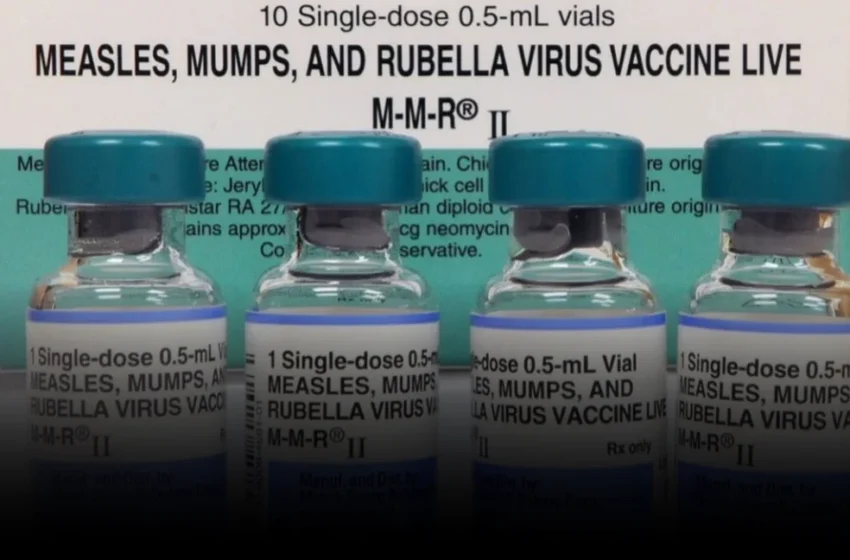
The Pennsylvania Measles Outbreak Demands a Tech Response
Pennsylvania’s alarming measles outbreak, now exceeding 1,000 cases and marking the largest incidence since the disease was declared eliminated in 2000, starkly underscores the urgent need for a modernized, tech-driven public health infrastructure across the United States. This significant resurgence highlights systemic fragilities in data collection, real-time analytics, and predictive modeling capabilities crucial for rapid, effective disease containment.
This is not merely a public health crisis for the Keystone State; it’s a critical stress test for the nation’s capacity to manage infectious diseases in the digital age. The outbreak, with 1,078 reported cases in 2026, including 207 hospitalizations and five tragic deaths, points to a broader challenge faced by state and federal agencies: how to leverage cutting-edge technology to prevent localized outbreaks from escalating into national concerns. For US tech professionals and enthusiasts, this event signals a clear call to action and a burgeoning market for innovation in health IT.
The Data Lag: Why Real-Time Matters in a Crisis
A significant red flag in Pennsylvania’s response has been the noticeable lag in data reporting. According to health officials, 40 of 74 cases added in a recent update were from more than two weeks prior, only now being recorded. This delay, while perhaps understandable given the immense pressure on public health staff, is detrimental to effective outbreak management.
In epidemiology, every hour counts. Delayed data means delayed understanding of transmission patterns, delayed resource allocation, and delayed public awareness campaigns. Imagine trying to fight a wildfire when your heat sensors are two weeks behind. Public health agencies, from state departments to the Centers for Disease Control and Prevention (CDC), rely on timely, accurate data to identify hotspots, track potential exposures, and implement targeted interventions like vaccine drives or community advisories. Without it, they’re always playing catch-up, which can lead to higher case counts, more hospitalizations, and preventable deaths.
AI and Advanced Analytics: A Shield Against Outbreaks
The solution to such data lags lies in leveraging advanced data analytics and artificial intelligence (AI). Modernizing US public health systems means moving beyond manual reporting and fragmented databases towards integrated, intelligent platforms. AI can process vast, disparate datasets — from electronic health records (EHRs) and laboratory results to travel data and even anonymized social media trends — at speeds and scales impossible for humans.
Predictive modeling, powered by machine learning algorithms, could forecast potential outbreak epicenters, identify vulnerable populations based on demographic and vaccination data, and anticipate resource needs like hospital beds or vaccine supplies. For instance, geospatial AI tools could map disease spread with granular detail, enabling health departments to pinpoint specific neighborhoods or even city blocks requiring immediate attention. Natural language processing (NLP) could rapidly analyze unstructured data from doctor’s notes or public inquiries, extracting crucial insights that might otherwise be overlooked. Companies like Palantir and Google Health are already exploring such applications, demonstrating the potential for the private tech sector to bolster public health capabilities.
Bridging the Digital Divide in Public Health IT
Despite the promise of AI, a fundamental challenge remains: the fragmented and often outdated IT infrastructure within US public health agencies. State health departments frequently operate on legacy systems that struggle with interoperability, making seamless data sharing with federal bodies like the CDC, or even with neighboring counties, exceedingly difficult. This digital divide hinders a unified, national response to health crises.
The CDC’s Data Modernization Initiative (DMI) aims to address these issues, but progress requires sustained funding and a coordinated strategy across all levels of government. Interoperable systems that adhere to standardized data formats are essential. This isn’t just about software; it’s about a cultural shift towards prioritizing data sharing and a national commitment to investing in robust, cloud-based public health platforms that can scale during emergencies.
Beyond Tracking: Digital Tools for Proactive Intervention
While AI-driven analytics are critical for tracking and predicting, digital health tools extend the capability for proactive intervention. Telemedicine platforms, for example, could offer remote consultations for potential cases, reducing strain on emergency rooms and minimizing exposure risks in clinics. Targeted mobile applications could disseminate critical public health information, alert individuals to potential exposures (with privacy-preserving contact tracing), and facilitate vaccine appointment scheduling.
Smart diagnostic tools, including rapid at-home tests with digital reporting capabilities, could provide near real-time data on disease prevalence, empowering individuals to take informed action and feeding crucial information back into the centralized analytical systems. However, the ethical implications of data privacy, particularly under regulations like HIPAA, must be carefully navigated to maintain public trust and ensure equitable access to these technologies.
Investing in Tomorrow’s Health: The Economic Imperative for US Tech
The Pennsylvania outbreak serves as a potent reminder that investing in advanced public health technology is not just a moral imperative, but an economic one. Outbreaks disrupt economies, strain healthcare systems, and lead to significant financial costs. Proactive investment in predictive analytics and digital health infrastructure can yield substantial returns by mitigating the impact of future crises.
For American tech companies, this represents a significant market opportunity. Developing secure, scalable, and interoperable solutions for public health agencies can drive innovation, create jobs, and position the US as a leader in health security. Federal initiatives and public-private partnerships will be key to accelerating this transformation, ensuring that agencies like the CDC and state health departments have the cutting-edge tools they need to protect American communities.
Conclusion
The recent measles outbreak in Pennsylvania, the largest in decades, underscores a fundamental truth: robust public health in the 21st century is inseparable from advanced technology. The delayed reporting and subsequent challenges in managing this highly contagious disease highlight glaring needs within our existing public health infrastructure.
- Prioritize Data Modernization: US federal and state agencies must accelerate investment in integrated, real-time data platforms for public health surveillance.
- Adopt AI and Predictive Analytics: Leveraging machine learning and AI for forecasting and resource allocation is no longer optional but essential for proactive outbreak response.
- Foster Interoperability: Standardized data protocols and seamless information sharing across disparate health systems are critical for a unified national strategy.
- Promote Digital Health Solutions: Expand the use of telemedicine, targeted communication apps, and smart diagnostics to empower individuals and enhance public health interventions.
- Encourage Public-Private Partnerships: US tech firms have a vital role to play in developing innovative, secure, and ethical solutions for the nation’s health security challenges.
FAQ:
How could AI have helped track the PA measles outbreak?
AI could have processed incoming case data, laboratory results, and other public health indicators in near real-time, identifying unusual patterns and potential hotspots much faster than manual methods. Predictive models could have then forecasted the spread, allowing health officials to pre-allocate resources and target interventions more effectively to contain the outbreak sooner.
What are the main challenges for US public health data systems?
The primary challenges include fragmented legacy IT systems that hinder interoperability, a lack of standardized data formats between different agencies and providers, insufficient funding for technology upgrades, and the complex ethical considerations surrounding data privacy and security (HIPAA compliance) when sharing sensitive health information.
What role can American tech companies play in public health?
US tech companies can play a crucial role by developing secure, scalable, and interoperable software platforms for data collection and analysis, creating AI-powered predictive tools for disease surveillance, and building digital health solutions like telemedicine, contact tracing apps, and smart diagnostics. Collaborating with public health agencies through partnerships can accelerate the adoption of these innovations.
