
Apple’s HomeView: Can a Dedicated Hub Finally Nail the Smart Home for US Users?
- Hardware
Arjun Vedanta
- 0
- 9 minutes read
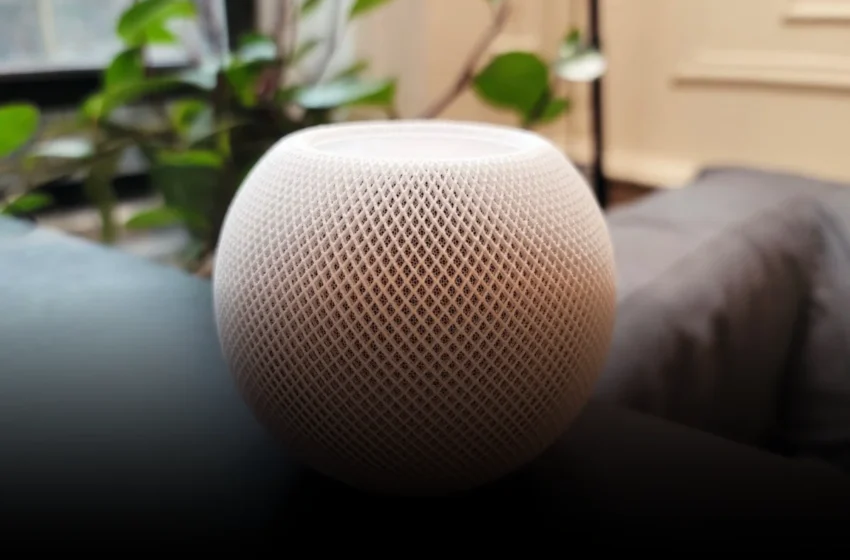
Apple’s HomeView: Can a Dedicated Hub Finally Nail the Smart Home for US Users?
Apple is making its most significant strategic push yet into the smart home sector with the upcoming HomeView, a dedicated Siri-powered hub designed to unify its fragmented ecosystem for American consumers. This new hardware, reportedly featuring an A18 chip and available in both countertop and wall-mounted designs, signals Apple’s firm commitment to owning the central interface within US households, potentially overcoming its past struggles with HomeKit and HomePod.
For years, Apple’s vision for the smart home, primarily driven by its HomeKit software framework and the HomePod smart speaker, has struggled to gain significant traction among US tech enthusiasts and mainstream users. While the company’s devices are ubiquitous, its smart home solutions often felt like an afterthought, lacking the cohesive user experience and broad device compatibility offered by competitors. The HomeView’s launch, alongside updated Apple TV and HomePod mini devices, and a key partnership with LG for smart locks, thermostats, and doorbells, represents a critical pivot: a hardware-first approach aimed at providing a central, intuitive control point that has been conspicuously absent.
Apple’s Rocky Road in the US Smart Home
Apple’s history in the smart home market has been a series of commendable efforts that ultimately underperformed in the highly competitive US landscape. HomeKit, introduced in 2014, aimed to provide a secure, interoperable framework for smart home accessories. However, its stringent certification requirements and often complex setup processes deterred many developers and consumers, limiting the range of compatible devices and complicating the user experience. Compared to the more open, though sometimes less secure, ecosystems of Amazon and Google, HomeKit struggled to achieve widespread adoption.
The HomePod, launched in 2018, was Apple’s attempt at a premium smart speaker, emphasizing audio quality and Siri integration. Despite its impressive sound, the HomePod faced an uphill battle against Amazon’s Echo and Google’s Home (now Nest Hub) lines, which had a significant head start, broader smart home device support, and more affordable price points. American consumers, more interested in versatile smart assistants and wider compatibility, often overlooked the HomePod’s audio prowess. Even the more affordable HomePod mini, while better received, didn’t fundamentally alter Apple’s smart home standing.
HomeView: Apple’s New Central Command
According to Bloomberg’s Mark Gurman, the forthcoming HomeView is designed to be the definitive centerpiece of Apple’s smart home strategy. This Siri-powered device will feature a display and an A18 chip, indicating substantial processing power, crucial for complex local processing and responsive user interactions. The choice of two models—one for countertops and another for wall mounting—suggests Apple is thinking critically about integration into diverse American home environments, offering flexibility that addresses aesthetic and functional preferences.
The display is particularly important, as it moves beyond voice-only interactions to provide visual feedback, device control, and potentially media consumption, directly challenging devices like the Amazon Echo Show and Google Nest Hub. This shift to a dedicated display-equipped hub is an acknowledgment that a purely voice-driven interface isn’t sufficient for managing the growing complexity of smart homes, allowing users to quickly check camera feeds, adjust thermostats, or control lights with a tap or swipe.
Strategic Partnerships: The LG Integration
One of the most telling indicators of Apple’s new, more pragmatic approach to the smart home is its reported partnership with LG. Gurman noted that Apple plans to announce a collaboration with LG to create a smart lock, a thermostat, and a doorbell. This move is significant because it directly addresses Apple’s historical weakness: a relatively limited ecosystem of first-party accessories and reliance on third-party developers.
Partnering with an established home appliance and electronics giant like LG, which has a strong presence in US households, allows Apple to rapidly expand its smart home footprint with core devices consumers want. Rather than building everything in-house, Apple is embracing a more open, collaborative model that could significantly enhance the appeal and utility of its smart home offerings, especially when combined with the HomeView’s central control capabilities.
Challenging the US Smart Home Landscape
The HomeView positions Apple to directly compete with the entrenched ecosystems of Amazon and Google in the US market. These companies have dominated with their Echo Show and Nest Hub devices, offering a wide array of compatible products and a relatively seamless user experience. Apple’s differentiators will likely revolve around several key areas:
- Ecosystem Integration: For existing iPhone, iPad, and Apple Watch users, HomeView promises unparalleled integration, leveraging familiar interfaces and tight security protocols.
- Privacy and Security: Apple has consistently emphasized user privacy, a significant concern for many US consumers wary of data collection by tech giants. HomeView will likely double down on local processing and robust encryption.
- Premium Experience: Consistent with Apple’s brand, the HomeView is expected to offer a refined user interface and high-quality hardware, potentially justifying a premium price point compared to some competitors.
The introduction of a dedicated hub with a display also means Apple is no longer just selling an ecosystem; it’s selling the central piece of hardware to manage it, a move that could significantly increase its market share among discerning American buyers looking for a unified, secure, and intuitive smart home solution.
Implications for American Consumers
For American homeowners and tech enthusiasts, the HomeView could usher in a new era of Apple-centric smart home control. Current Apple users, who may have been hesitant to dive fully into HomeKit due to its limitations, now have a compelling reason to invest. The prospect of controlling all their devices, from lights and thermostats to security cameras and entertainment, through one elegant, centralized Apple device is highly appealing.
The LG partnership also means that crucial smart home categories like door locks and thermostats, which are essential for security and energy efficiency, will seamlessly integrate with the Apple ecosystem. This holistic approach reduces friction for consumers, making it easier to adopt a comprehensive smart home setup without worrying about compatibility headaches or juggling multiple apps. However, pricing will be a critical factor; Apple will need to balance its premium branding with competitive affordability to truly capture the mass market.
The Road Ahead: Hurdles and Opportunities
While the HomeView offers significant promise, Apple still faces hurdles. Developer adoption for HomeKit-compatible accessories, even with a strong central hub, needs to accelerate. Furthermore, the ongoing development of the Matter smart home standard could both help and hinder Apple. If Matter allows for seamless cross-platform compatibility, it could diminish the advantage of a tightly integrated Apple ecosystem, though Apple has embraced Matter support in its existing Home devices.
The opportunity, however, is immense. Apple’s brand loyalty, combined with its newfound focus on a central hardware hub and strategic partnerships, could finally allow it to break through the smart home ceiling. By delivering a more comprehensive, user-friendly, and secure smart home experience, the HomeView has the potential to become the anchor device American consumers have been waiting for from Cupertino.
Key Takeaways
- The HomeView represents Apple’s most serious and hardware-centric commitment to unifying its smart home ecosystem.
- It aims to address past failures of HomeKit and HomePod by providing a dedicated display hub powered by an A18 chip.
- Strategic partnerships, such as the reported collaboration with LG for essential smart home devices, are crucial for expanding Apple’s market reach.
- Apple is positioning the HomeView to compete directly with Amazon Echo Show and Google Nest Hub by emphasizing ecosystem integration, privacy, and a premium user experience.
- For US consumers, HomeView promises a more cohesive, intuitive, and secure way to manage their smart homes, potentially driving broader adoption of Apple’s smart home solutions.
FAQ
What is the Apple HomeView?
The Apple HomeView is a new Siri-powered smart home hub with a display and an A18 chip, designed to be the central control point for Apple’s smart home ecosystem. It will be available in countertop and wall-mounted models.
How does HomeView differ from HomeKit or HomePod?
While HomeKit is a software framework and HomePod is a smart speaker, HomeView is a dedicated hardware hub with a display. It serves as a central visual and interactive interface, providing a more comprehensive and intuitive control experience than previous Apple smart home efforts.
What US smart home devices will HomeView integrate with?
HomeView will integrate with existing HomeKit-compatible devices. Additionally, Apple plans a partnership with LG to create smart locks, thermostats, and doorbells, expanding the range of first-party and tightly integrated accessories available to US consumers.
