
Apple’s HomeView Arrives: A Walled Garden for Your Smart Home, or a Unified Ecosystem Upgrade?
- Hardware
Arjun Vedanta
- 0
- 10 minutes read
Apple’s HomeView Arrives: A Walled Garden for Your Smart Home, or a Unified Ecosystem Upgrade?
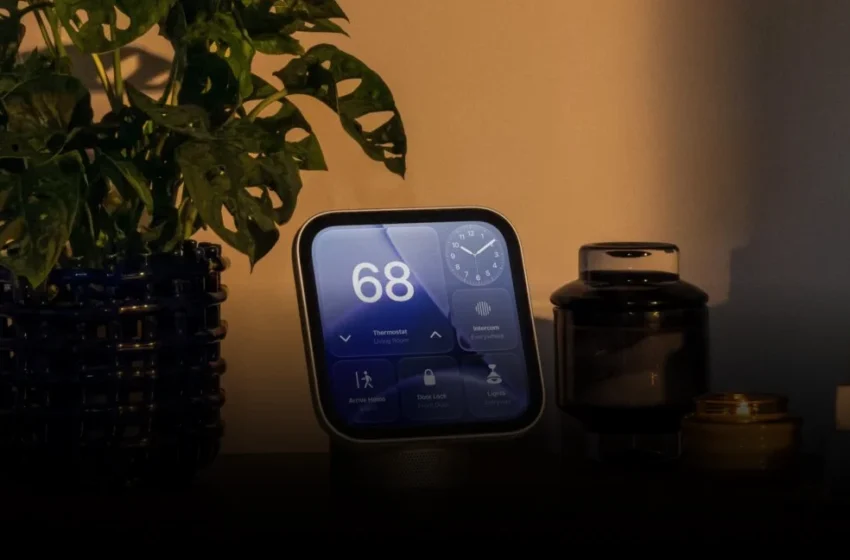
Apple has officially opened preorders for its first smart display, the 7-inch HomeView, priced at $299. This move signals Apple’s intention to offer a more centralized interface for its extensive ecosystem within the smart home, potentially creating a significant trade-off for US consumers between deeply integrated Apple functionality and the flexibility of mixed-brand smart home devices.
The HomeView is positioned as a central access point for up to six family members, integrating control over Apple’s suite of devices, applications, and the Siri generative AI chatbot. For American households already heavily invested in Apple products—from iPhones to HomePods—this device promises a seamless, intuitive experience. However, its success hinges on how well it persuades users to commit further to the Apple ecosystem, particularly those who currently blend devices from different manufacturers like Google, Amazon, or Samsung.
At its core, the HomeView is a 7-inch smart display and speaker designed for active voice control and visual feedback. Users can issue commands to Siri, like telling it to “close the smart blinds” or “activate smart locks,” according to Apple’s announcement. Beyond basic controls, the device can also livestream up to nine video feeds simultaneously, making it a potential central monitoring station for home security cameras.
What Does HomeView Offer US Consumers?
For US consumers already deeply embedded in the Apple universe, the HomeView offers a compelling proposition: a single pane of glass for their digital and physical world. It aims to unify the disparate threads of an Apple-centric smart home, moving beyond just voice commands to include a visual component that other Apple devices like the HomePod lack. This could simplify daily routines for many.
- Unified Control: Centralizes management of HomeKit-compatible devices, Apple Music, FaceTime, and other services.
- Family Hub: Designed to cater to multiple family members, potentially with personalized profiles or access controls.
- Siri Integration: Leveraging the generative AI capabilities of Siri for more natural and advanced interactions.
- Visual Feedback: A 7-inch display enhances interactions, providing visual confirmation for commands and enabling video streaming.
However, the value proposition is less clear for the substantial segment of American households that have adopted a more heterogeneous smart home strategy. Many consumers have a mix of devices, perhaps an Amazon Echo for music, a Google Nest Hub for video calls, and a Ring doorbell. Integrating the HomeView into such a setup could present compatibility hurdles or necessitate a significant, costly shift towards HomeKit-only devices.
How Does HomeView Compare to Established Smart Displays?
The smart display market in the US is mature and competitive, dominated by Amazon’s Echo Show line and Google’s Nest Hub devices. Apple’s $299 price point for the HomeView places it at the higher end, directly competing with premium models from these established players. For instance, the Google Nest Hub Max, with its larger 10-inch display and integrated camera, often retails around $229, while the Amazon Echo Show 10 (3rd Gen) with its rotating screen typically sits near $249, though prices fluctuate. The HomeView’s relatively smaller screen for its price point suggests Apple is betting heavily on its ecosystem integration and brand loyalty.
Here’s a quick comparison of the HomeView against its primary competitors based on general market knowledge and the provided source information:
| Feature | Apple HomeView | Google Nest Hub Max | Amazon Echo Show 10 (3rd Gen) |
|---|---|---|---|
| Display Size | 7 inches | 10 inches | 10.1 inches |
| Price (MSRP) | $299 | ~$229 | ~$249 |
| Core AI Assistant | Siri (generative AI) | Google Assistant | Alexa |
| Primary Ecosystem | Apple HomeKit, Apple Services | Google Home, Google Services | Amazon Alexa, Amazon Services |
| Video Feeds | Up to 9 simultaneously | Multiple, typically via Google Home app | Multiple, typically via Alexa app |
| Family Access | Up to 6 family members | Multiple accounts with Voice Match | Multiple accounts with Voice ID |
The table highlights Apple’s premium pricing for a smaller screen, emphasizing that its value is likely derived from its deep integration into the Apple ecosystem rather than raw hardware specifications against rivals.
The Ecosystem Lock-in: A Familiar Apple Strategy
Apple has historically thrived by creating robust, tightly integrated ecosystems that offer a seamless user experience but often come with a degree of vendor lock-in. The HomeView appears to be a natural extension of this strategy into the smart home. For users who prioritize simplicity, security, and consistent performance across their devices, this integrated approach can be incredibly appealing.
However, for the broader US market, which includes a significant number of consumers who prefer open standards or have already invested in a diverse range of smart home products, the HomeView’s reliance on HomeKit could be a barrier. While HomeKit supports many third-party accessories, it can be more restrictive than the broader compatibility offered by Alexa or Google Assistant. This raises questions about whether the HomeView will broaden Apple’s smart home appeal or primarily serve its existing, loyal customer base.
Another crucial aspect is the performance of Siri’s generative AI chatbot. While the source notes its inclusion, the capabilities and user experience of Siri in a dedicated smart display context will be critical. Siri has historically lagged behind Google Assistant and Alexa in terms of conversational depth and understanding, though recent generative AI enhancements could significantly close this gap. Its ability to understand complex commands and context within a home environment will be key to HomeView’s user satisfaction.
Implications for the US Smart Home Market
Apple’s entry into the smart display market with HomeView is a significant development, even if it primarily targets its existing user base. It legitimizes the smart display category further and could spur innovation from competitors. The introduction of a premium-priced, deeply integrated device could also push other manufacturers to refine their own ecosystem strategies or focus more intently on interoperability through standards like Matter, which Apple supports.
For US consumers, the HomeView reinforces the choice between a highly curated, potentially more secure, and undoubtedly premium Apple experience versus a more flexible, often more affordable, and diverse smart home setup. The decision will largely depend on their existing tech investments and their appetite for committing further to one specific brand’s vision of the connected home.
Conclusion
Apple’s HomeView represents a focused entry into the smart display market, aiming to solidify its position as the central hub for Apple-centric smart homes. While its premium price and ecosystem-first approach will strongly appeal to loyal Apple users, it poses a strategic choice for the broader American consumer base accustomed to mixed-brand smart home environments. Its success will be a testament to the power of the Apple ecosystem and Siri’s evolving generative AI capabilities in a highly competitive landscape.
Key Takeaways for US Tech Professionals and Enthusiasts:
- Ecosystem Play: HomeView is a classic Apple move, designed to deepen engagement with its existing user base rather than aggressively capture market share from competitors.
- Premium Pricing: At $299 for a 7-inch display, Apple is betting on brand loyalty and integration value over raw hardware specs or price competitiveness.
- Siri’s Generative AI: The performance of Siri’s enhanced AI will be a critical factor in HomeView’s functionality and user satisfaction, potentially narrowing the gap with rivals.
- Smart Home Commitment: For non-Apple users, adopting HomeView likely necessitates a significant shift towards HomeKit-compatible devices, highlighting the choice between an open or closed smart home environment.
Frequently Asked Questions About Apple HomeView
What is the Apple HomeView?
The Apple HomeView is Apple’s first smart display and speaker, featuring a 7-inch screen. It acts as a central hub for controlling Apple’s smart home devices, apps, and the Siri generative AI chatbot for up to six family members.
How much does the Apple HomeView cost?
The Apple HomeView is priced at $299, placing it at the higher end of the smart display market compared to devices from Google and Amazon.
What are the main functions of the HomeView?
The HomeView allows users to control smart home devices via Siri voice commands, access Apple’s ecosystem of apps and services, and livestream up to nine video security feeds simultaneously, providing both visual and auditory interaction.
Is HomeView compatible with non-Apple smart home devices?
HomeView primarily works within the Apple HomeKit ecosystem. While many third-party smart home devices are HomeKit-compatible, its integration is typically strongest with Apple-branded and HomeKit-certified products, potentially limiting seamless compatibility with devices from other smart home platforms like Alexa or Google Home.
