
M-Vave FM-1: How Community Firmware is Reshaping Affordable Synthesizers for US Makers
- Hardware
Arjun Vedanta
- 0
- 12 minutes read
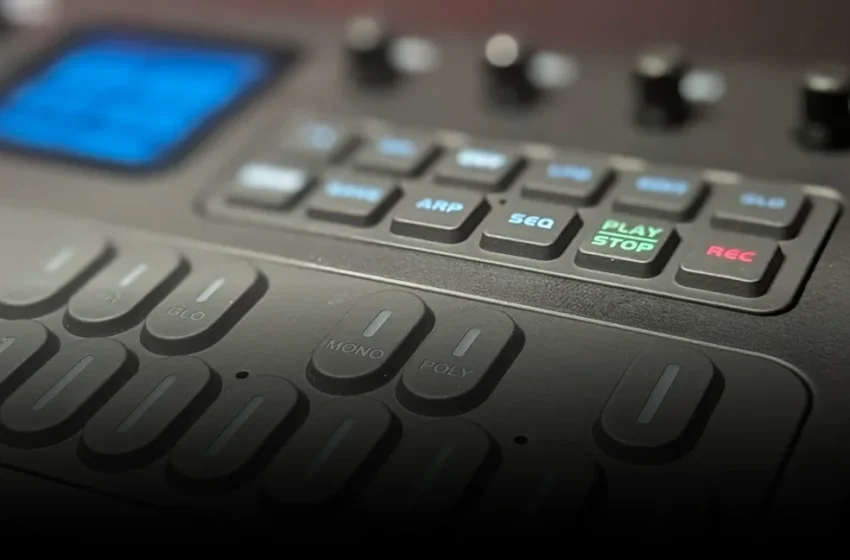
The M-Vave FM-1, an unassuming and affordable frequency-modulation synthesizer, has become a potent symbol of community-driven innovation within the US tech and music scenes. Initially a simple, low-cost device, its capabilities have been dramatically expanded by a dedicated group of American tinkerers who reverse-engineered its stock firmware, transforming it into a highly versatile instrument through custom code.
This shift represents more than just a product upgrade; it highlights how grassroots open-source collaboration can unlock hidden potential in consumer hardware, empowering US enthusiasts and challenging traditional product lifecycles. For American musicians, producers, and tech hobbyists, the FM-1’s journey exemplifies a growing trend: the ability to personalize and enhance devices beyond their manufacturer’s original intent, yielding advanced functionality without the premium price tag.
The M-Vave FM-1: A Canvas for Innovation
When the M-Vave FM-1 first hit the market, it quickly caught the eye of US tech enthusiasts and musicians for its compelling blend of affordability and novelty. Billed as a compact, pocket-sized cousin to the iconic Yamaha DX7 synthesizer, its initial appeal was undeniable. Priced at just $59.72, according to early reports, it offered an accessible entry point into the world of frequency modulation synthesis, a sound engine famed for its metallic timbres, rich pads, and crisp bass lines.
However, the initial version of the FM-1 was, by most accounts, straightforward. While it delivered on its core promise—providing basic FM synthesis in a portable package—its feature set was somewhat limited. Users appreciated the novelty and the budget-friendly price, making it an impulse purchase for many, but its long-term utility for serious music production often felt constrained by its default software. This inherent simplicity, paradoxically, created a fertile ground for a passionate community to emerge.
What Drives the DIY Firmware Movement?
The true story of the M-Vave FM-1 began to unfold in July, when intrepid US tinkerers on Reddit’s popular r/synthdiy board started to examine the device’s stock firmware. These hobbyists, driven by curiosity and a desire for greater control, embarked on the complex process of reverse-engineering the device’s internal code. Their goal was clear: to understand its architecture and, ultimately, to expand the synthesizer’s native abilities.
By September, their efforts bore fruit, with the first custom firmware projects for the FM-1 beginning to surface online. This initial breakthrough quickly gained momentum, and by October, the community had developed an impressive array of alternative firmware options. This rapid proliferation of user-developed software is a testament to the power of open collaboration, enabling individuals with coding skills to contribute enhancements that can profoundly impact a device’s functionality. For many US users, this collaborative spirit offers an invaluable learning experience and a chance to truly make a piece of hardware their own.
- Enhanced Functionality: Custom firmware typically introduces features not found in the original, such as additional synthesis modes, improved modulation options, expanded polyphony, or new onboard effects.
- Bug Fixes and Performance: Community developers often address latent bugs or optimize performance in ways that manufacturers might not prioritize for entry-level devices.
- User Interface Improvements: Alternative firmware can overhaul the user experience, making parameter access more intuitive or adding new display modes.
- Customization and Personalization: The ability to flash different firmware allows users to tailor the instrument precisely to their workflow and sonic preferences.
Expanding Capabilities: Beyond the Stock Experience
The impact of this community-driven development on the M-Vave FM-1 is profound. While the original device offered a basic introduction to FM synthesis, the custom firmware effectively unlocks a significantly more powerful and versatile instrument. Instead of being confined to the manufacturer’s initial vision, US users can now choose from a growing ecosystem of firmware, each offering different enhancements.
These enhancements often include sophisticated capabilities typically found in much more expensive synthesizers. For instance, custom firmware can introduce more complex synthesis algorithms, enabling a wider palette of sounds than standard FM. It might add advanced sequencing or arpeggiator functions, turning the FM-1 into a more comprehensive musical tool. Improvements to MIDI (Musical Instrument Digital Interface) implementation can also integrate the FM-1 more seamlessly into existing studio setups, allowing for greater control via external controllers or digital audio workstations.
The collective effort also often addresses specific limitations of the original hardware. For example, if the stock firmware had restrictive voice limits or limited modulation sources, community developers often find ways to push these boundaries, providing users with more creative freedom. This empowers American hobbyists and professional musicians alike to get significantly more value from their initial $59.72 investment, turning an impulse buy into a genuinely robust and adaptable piece of audio equipment.
How Does Community Firmware Compare?
| Feature Aspect | Stock M-Vave FM-1 Firmware (Original) | Community-Developed Firmware (Typical) |
|---|---|---|
| Synthesis Options | Basic FM, limited parameters | Expanded FM algorithms, potentially other synthesis types |
| Modulation | Standard LFOs & Envelopes | More LFOs, complex envelopes, routing flexibility |
| Polyphony | Likely limited voices | Potentially increased voice count, improved voice management |
| Effects | None or very basic | Onboard reverb, delay, chorus, distortion, etc. |
| Sequencing/Arp | None or rudimentary | Advanced step sequencers, arpeggiators |
| MIDI Control | Basic MIDI In/Out | Enhanced MIDI mapping, CC control, clock sync stability |
| User Interface | Simple, functional | Customizable displays, improved navigation, shortcuts |
| Developer Focus | Cost-effective production | Feature expansion, performance, user requests |
Implications for the US Tech Market and Consumers
The saga of the M-Vave FM-1 is not an isolated incident; it’s a microcosm of broader trends in the US tech landscape, particularly within the flourishing maker movement. It underscores several critical implications for American consumers, businesses, and the future of hardware development.
- Democratization of Advanced Technology: The ability for a sub-$60 device to be transformed into a powerful, professional-grade tool through community effort dramatically lowers the barrier to entry for aspiring musicians and tech enthusiasts. This allows more Americans to access sophisticated sound design capabilities without needing to invest hundreds or thousands of dollars in high-end equipment.
- The Power of the Maker Movement: The M-Vave FM-1’s success is a direct reflection of the robust US maker community, where individuals with diverse technical skills (coding, electronics, audio engineering) collaborate across platforms like Reddit to innovate. This movement thrives on sharing knowledge and collective problem-solving, creating a vibrant ecosystem of self-directed product enhancement.
- Challenging Planned Obsolescence: By extending the life and utility of a device through firmware upgrades, the community directly combats the concept of planned obsolescence. Instead of replacing hardware to gain new features, users can simply update the software, promoting sustainability and getting more mileage out of their purchases. This is a powerful message for environmentally conscious US consumers.
- A New Model for Manufacturers: The FM-1 story could serve as a blueprint, or at least a cautionary tale, for hardware manufacturers. Companies that embrace or even facilitate community development through open APIs or SDKs might foster deeper loyalty and extend the market relevance of their products. Conversely, those that ignore or actively suppress such efforts risk alienating a passionate segment of their customer base.
- Innovation Beyond the Product Cycle: Traditional product development follows a linear path: design, manufacture, sell, support. The FM-Vave FM-1 demonstrates “post-purchase innovation,” where the significant evolution of a product occurs well after its release, driven entirely by the user community. This phenomenon could redefine how consumers perceive the long-term value and adaptability of their tech investments.
The M-Vave FM-1’s transformation highlights a fundamental shift in how we interact with technology. It’s a testament to the ingenuity and collaborative spirit of the American tech community, demonstrating that a small, affordable piece of hardware can become infinitely more valuable when empowered by the collective effort of passionate users. This model of open-source enhancement offers a compelling vision for a future where consumers are not just users, but active co-creators of their digital and physical tools.
Key Takeaways for US Tech Enthusiasts:
- The M-Vave FM-1 exemplifies how user communities can significantly expand the capabilities of affordable hardware through custom firmware development.
- This phenomenon empowers American musicians and hobbyists, democratizing access to advanced synthesis features traditionally found in more expensive gear.
- The collaborative spirit on platforms like Reddit’s r/synthdiy is driving innovation and challenging traditional product lifecycles.
- The story highlights the growing importance of the maker movement in extending product utility and combating planned obsolescence.
- Consumers should consider the potential for community support and open-source development when evaluating new tech purchases, especially in niche markets.
FAQ:
What is the M-Vave FM-1?
The M-Vave FM-1 is a compact, affordable frequency-modulation (FM) synthesizer, initially priced around $59.72. It gained popularity among US tech enthusiasts and musicians as an accessible entry point into FM synthesis, offering a basic but functional sound engine in a portable form factor.
How did the M-Vave FM-1’s capabilities expand?
Its capabilities expanded dramatically due to a dedicated community on Reddit’s r/synthdiy board. Starting in July, these tinkerers reverse-engineered the device’s stock firmware, leading to the development and release of custom firmware projects by September, which significantly enhanced its features and functionality beyond the original manufacturer’s design.
What kind of enhancements can custom firmware offer for synthesizers?
Custom firmware for synthesizers can introduce a wide range of enhancements, including new synthesis algorithms, increased polyphony, advanced modulation options like additional LFOs and envelopes, onboard effects such as reverb and delay, and sophisticated sequencing or arpeggiator capabilities. It can also improve MIDI control and overall user interface.
What does this mean for US consumers and the tech market?
For US consumers, it means greater value from affordable hardware and the ability to customize devices to a high degree. For the tech market, it showcases the power of grassroots innovation, challenges traditional product development cycles, and emphasizes the growing influence of the maker movement in democratizing access to advanced technology and extending product lifespans.
