
Amazon Leo’s FCC Waiver: A Glimpse Into the Grinding Reality of the Satellite Race
- Tech
Arjun Vedanta
- 0
- 4 minutes read
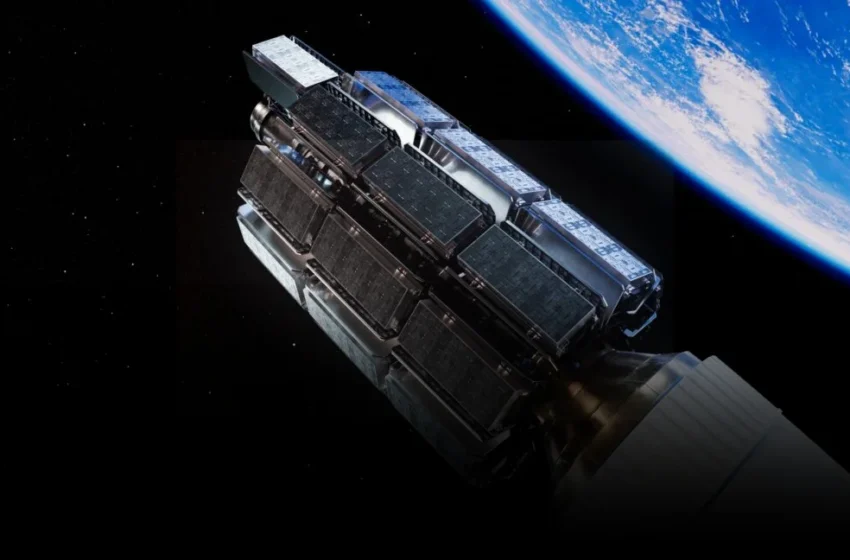
Amazon’s Orbital Ambition Meets Terrestrial Reality
The Federal Communications Commission’s quiet decision to waive Amazon’s looming July 2026 deadline for its Leo satellite broadband constellation is less a regulatory courtesy and more a stark admission of the brutal realities facing even the most resource-rich contenders in the global low-Earth orbit race. Amazon, a titan synonymous with logistical prowess, requested and received an indefinite extension on deploying half of its proposed 3,232 satellites. This isn’t just a calendar adjustment; it’s a flashing red light on the dashboard of a critical global infrastructure project.
For years, Silicon Valley has framed the burgeoning satellite internet sector as a swift, inevitable expansion of broadband access. But the FCC’s move, removing the 1,616 satellite milestone while retaining the ultimate July 2029 deadline for full deployment, quietly underscores what international observers have long suspected: the promises of rapid, ubiquitous orbital internet are far more complex and costly to deliver than initially hyped. While the source article notes Amazon’s July 2020 authorization, the reality of turning a regulatory green light into thousands of functioning spacecraft in orbit is proving exceptionally challenging.
The Unspoken Consequence: Starlink’s Unchallenged Dominance
This regulatory reprieve, while ostensibly a lifeline for Amazon’s Project Kuiper, could paradoxically solidify the market lead of its primary competitor, SpaceX’s Starlink. The FCC’s flexibility effectively acknowledges that Amazon is behind schedule – not just a little, but significantly enough to require a complete rewrite of a core condition. This pause provides Starlink even more runway to entrench its first-mover advantage, particularly in underserved global markets where reliable internet access remains a pipe dream.
Amazon’s January application to extend the deadline to July 2028 or waive it entirely suggests technical or logistical hurdles far beyond mere launch vehicle availability. For a company that owns its own orbital launch service (Blue Origin), this delay hints at deeper systemic challenges, perhaps in satellite production, ground station deployment, or even the complex software orchestration required to manage a massive constellation. The incentive for Amazon to seek this waiver is clear: avoid a catastrophic breach of regulatory terms that could jeopardize the entire project, allowing them to salvage their multi-billion-dollar investment rather than face forfeiture.
The Global Broadband Race: More Slog Than Sprint
From a global vantage point, the FCC’s decision on Leo isn’t just a domestic US regulatory footnote; it’s a bellwether for the international satellite broadband landscape. Companies like OneWeb, with its own ambitious constellation, have navigated complex financial and technical challenges, including bankruptcy and subsequent resuscitation, to maintain their orbital trajectories. Yet, even they are playing catch-up to Starlink’s sheer scale.
The race for global internet access via low-Earth orbit was never going to be a clean sprint. It is a grueling ultramarathon demanding immense capital, sophisticated engineering, and a relentless manufacturing cadence. The initial excitement for new entrants often glossed over the sheer difficulty of not just launching satellites, but building a robust, resilient, and economically viable global network. This includes securing spectrum, deploying extensive ground infrastructure, and negotiating a labyrinth of international regulations, country by country.
The skeptical observation here is simple: by granting this waiver, the FCC may have saved Amazon, but it also tacitly confirmed that the competitive field in global LEO broadband is less about agile innovation and more about who can endure the longest, validating the established lead of those already flying thousands of satellites. This isn’t a story of tech acceleration; it’s a story of grinding, resource-intensive execution, where even Jeff Bezos’s Amazon is finding the gravity of the challenge immense.
