
Beyond Blunt Force: The Ethical Weight of ‘Cool’ Archaeological Findings
- Special
Arjun Vedanta
- 0
- 4 minutes read
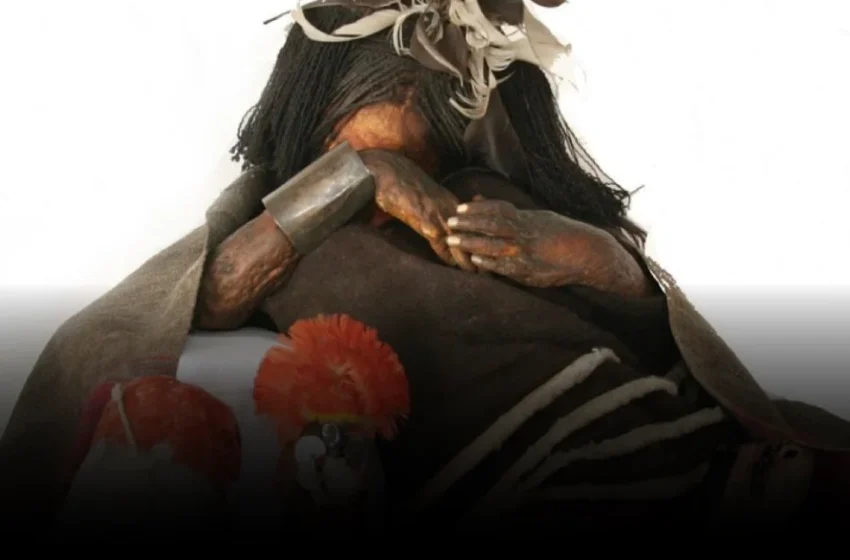
The Clinical Gaze on Ancient Suffering
Archaeologists re-examining the remains of a child from the Incan Capachoca ritual have refined the cause of death from freezing to blunt force trauma, a detail published in Science Advances. This is a specific, verifiable update, a testament to advancing forensic anthropology. But for an industry that often celebrates the latest data points and ‘discoveries,’ the clinical precision of such a finding risks reducing a profound human tragedy to yet another fascinating factoid in a science roundup.
When a violent ritual sacrifice is presented alongside cyborg cockroaches or the latest updates on Betelgeuse, the very act of aggregation implicitly normalizes the profound moral and historical weight of the event. We zoom in on the ‘how’ of death — blunt force trauma — and in doing so, often glide past the ‘why’ and the deep human cost. It’s the kind of tunnel vision common among those accustomed to dissecting technical specifications and ignoring the human layer, a failing not exclusive to Silicon Valley but certainly amplified there.
Is the ultimate scientific refinement of a death certificate truly the most significant aspect of such a discovery? Or does our pursuit of exactitude sometimes sidestep the more uncomfortable, yet crucial, questions about human belief systems, power, and the historical continuum of suffering? It’s a skeptical observation, perhaps, but one worth making in an era where data often overshadows context.
Reframing Ritual and Victimhood Through a Forensic Lens
The Capachoca ritual, as described in colonial accounts, was an organized, elaborate ceremony where children were offered to the mountains, believed to become divine intermediaries. Previous interpretations, suggesting a death by exposure, might have softened the brutality. The shift to blunt force trauma, however, repositions the act with jarring clarity. This wasn’t merely a passive ‘offering’ that ended in a cold sleep; it was a deliberate, violent execution.
This forensic update forces a re-evaluation of how we characterize not just the Incan practice, but the victimhood itself. A child dying from blunt force trauma, rather than succumbing to the elements, signifies a direct, brutal agency on the part of the sacrificers. It underscores a calculated, ritualistic violence. Such a detail, while scientifically rigorous, profoundly alters the emotional and ethical landscape of the discovery.
Why is this specific detail highlighted now? Part of the incentive undoubtedly lies in academic rigor: the constant push to refine our understanding of historical events using modern bioarchaeological techniques. It showcases the prowess of current forensic anthropology. Yet, it also serves to continually shape and, in this case, sharpen the narrative around ancient practices, offering a more visceral and less abstract understanding of what these rituals entailed for those involved.
The Responsibility of Archaeological Narration
The challenge for modern archaeology, especially when engaging with public audiences, lies in navigating the tension between scientific objectivity and ethical storytelling. Reducing the death of an Incan child to a factual update, however precise, risks losing the narrative’s profound human dimension. It flattens the rich, albeit horrifying, tapestry of cultural belief, social structure, and individual experience into a mere data point.
Journalists and scientists alike bear a responsibility beyond mere information dissemination. We must consider the implications of our framing. Does a ‘cool science story’ approach honor the lives it discusses? Or does it inadvertently distance us from the very humanity that makes these discoveries so compelling? The field of cultural heritage studies continually grapples with these questions, understanding that the way we present the past shapes our present and future.
The meticulous work of re-analyzing ancient remains using advanced techniques offers invaluable insights into past civilizations. But the true measure of our understanding isn’t just in knowing *how* an Incan child died, but in grappling with the chilling implications of *why* — and ensuring that the pursuit of scientific truth never eclipses the profound ethical imperative to acknowledge the victim’s agency and the human cost behind every archaeological finding.
