
Lego’s Hubble: Beyond Child’s Play into the Adult Collectible Cosmos
- Tech
Arjun Vedanta
- 0
- 4 minutes read
The New Calculus of Curated Nostalgia
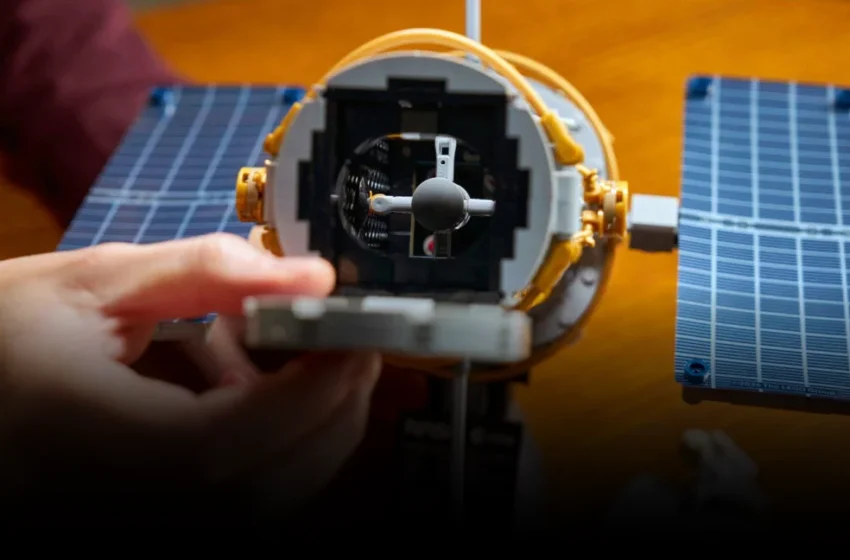
The latest Lego Icons Hubble Space Telescope, a 1,252-piece marvel priced at $140, is not merely a toy for children. Its 15-inch length and the inclusion of a minifigure for scale signal something more profound: Lego’s continued, aggressive pivot into the lucrative, discerning world of adult collectibles. This isn’t just about selling plastic bricks; it’s about monetizing a potent blend of scientific reverence, aspirational display, and the ever-expanding nostalgia economy targeting consumers with significant disposable income.
For decades, Lego’s primary appeal resided in stimulating childhood creativity. But the Icons series, explicitly designed for older builders, operates on an entirely different premise. These sets, often intricate and time-consuming, are intended for display, not rough-and-tumble play. The Hubble model, commemorating 35 years of cosmic observation, transforms a monumental piece of scientific engineering into a desktop sculpture, tapping into a collective fascination with space exploration.
This strategic shift highlights a global consumer trend that US-centric reporters often underplay: the premiumization of hobbies. From artisanal coffee to high-fidelity audio equipment, affluent adults worldwide are increasingly investing in sophisticated leisure pursuits. Lego, with its unparalleled brand recognition and engineering prowess, is perfectly positioned to capture this market, transforming what was once a simple plaything into a legitimate object of adult desire and interior decor.
Branding Science: A Skeptical Gaze
The decision to immortalize the Hubble Space Telescope in Lego form carries a significant cultural weight. Hubble is synonymous with wonder, discovery, and the pursuit of knowledge — a universal symbol of human ingenuity. Marketing it as an “Icons” set leverages this deep-seated admiration, suggesting an inherent educational value and gravitas that might justify its premium price tag. But is it truly about STEM education, or is it simply smart brand licensing?
The included astronaut minifigure and the sheer detail of the 1,252 components could certainly inspire interest in astronomy or engineering. However, the primary incentive for a global corporation like Lego isn’t necessarily to foster scientific literacy, but to diversify its revenue streams and solidify its market share in the adult consumer segment. This framing benefits Lego by allowing them to charge a higher price point for a product perceived as having intellectual and cultural cachet, distinct from their mass-market offerings.
While the educational potential is present, the core driver appears to be market expansion. The collector’s market thrives on exclusivity, detail, and iconic status. Hubble fits this bill perfectly, appealing to former science enthusiasts, current aerospace professionals, and anyone who appreciates a meticulously crafted representation of human achievement. It’s a sophisticated play on aspirational consumerism, cloaked in the noble guise of scientific appreciation.
The Global Allure of Analog Accomplishment
From Singapore’s tech-savvy professionals seeking an escape from screen time to London’s design-conscious urbanites curating their living spaces, the demand for engaging, tangible hobbies is surging. The Lego Icons Hubble set is a direct response to this global phenomenon, offering a contemplative, analog experience in an increasingly digital world. It’s a sophisticated kind of escapism, providing a sense of accomplishment through meticulous construction.
This trend extends beyond simple toys. The market for premium collectibles, from limited-edition sneakers to vintage watches, has seen explosive growth, fueled by both emotional attachment and a perceived investment value. Lego’s move isn’t an anomaly; it’s an astute recognition of these macro-economic and psycho-social shifts. They are not just selling plastic bricks; they are selling a moment of focus, a tangible connection to a grand narrative, and a stylish display piece.
The new Lego Hubble, double the size of previous iterations, caters directly to the adult desire for scale and intricate detail, making it a centerpiece rather than an afterthought. This strategy allows Lego to tap into diverse demographics with significant disposable income, cementing its position not just as a toy company, but as a purveyor of high-end, licensed, and culturally resonant adult pastimes across continents.
