
SpaceX’s Louisiana Land Grab: A Coastal Conundrum Beyond the Launchpad
Arjun Vedanta
- 0
- 5 minutes read
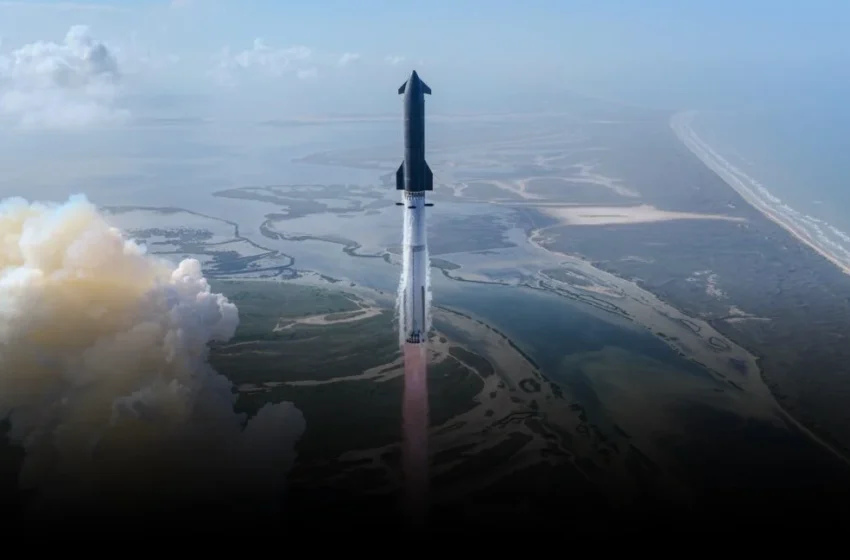
The Marshland Paradox: Rockets Meet Industrial Legacy
The news that SpaceX is on the verge of acquiring 130,000 acres of Louisiana marshland has been framed predictably: more land for rockets. But the sheer scale and, crucially, the ecological history of Pecan Island suggest something far more complex and potentially troubling than a mere expansion of launch infrastructure.
Reports from publications like The Times-Picayune | The New Orleans Advocate detail how Governor Jeff Landry is expected to announce the deal, granting SpaceX control over an 18-mile stretch of the northern Gulf of Mexico coast. This isn’t just any remote expanse; this land became available as a direct consequence of a legal settlement, resolving dozens of lawsuits blaming ExxonMobil for extensive pollution and catastrophic coastal land loss. A company synonymous with futuristic space travel is inheriting a landscape scarred by the past sins of the fossil fuel industry.
It’s a strange turn for an enterprise that sells dreams of Mars to acquire a very terrestrial, very polluted problem, particularly one born of the very industry its founder frequently derides. The narrative of progress and innovation clashes jarringly with the stark reality of ecological degradation that underpins this acquisition.
Beyond the Blast Pad: Unpacking SpaceX’s True Intentions
For a company that already operates Starbase in Boca Chica, Texas, the immediate assumption is that 130,000 acres of Louisiana marshland will serve as another launch or testing site. However, the specific environmental profile of Pecan Island — vast, fragile, and historically compromised by industrial activity — demands a closer look at SpaceX’s actual strategic motivations. Building substantial launch facilities in an area already vulnerable to coastal erosion and rising sea levels presents significant engineering and environmental challenges that far exceed typical greenfield development.
The real incentive here might not be immediately obvious, extending beyond simple launch logistics to encompass potential future regulatory advantages or even a strategic pre-emption of rival aerospace developments. Could SpaceX be positioning itself for carbon sequestration credits, environmental mitigation offsets, or even a long-term play in land-based resource management? Acquiring such a vast, albeit damaged, asset at what is likely a favorable price could represent a shrewd, multi-faceted investment in a future where land use, environmental impact, and regulatory compliance become ever more intertwined with industrial operations, including those of the burgeoning commercial space industry.
Competitors like Blue Origin and ULA are also vying for access to strategic launch capabilities, but none have made a similar move to acquire such a massive tract of ecologically sensitive land. This raises questions about what unique opportunity SpaceX sees in this particular parcel, distinct from conventional aerospace development. The historical context of the land, made available through a pollution settlement, also invites speculation about the kind of ‘clean-up’ narrative that could be spun, regardless of the true operational intent.
A Green Veneer or a Genuine Environmental Pivot?
If SpaceX genuinely intends to undertake environmental restoration on such a grand scale, rehabilitating a significant portion of Louisiana’s degraded coast, it would mark a profound and unexpected pivot for an aerospace company. The potential impact of restoring 130,000 acres of marshland for biodiversity, storm surge protection, and even carbon capture is immense, offering a measurable environmental benefit that could theoretically offset the carbon footprint of its rocket launches.
However, the skepticism remains. Is this a genuine commitment to ecological repair, or a highly pragmatic move to secure a large, cheap buffer zone under the guise of an environmental clean-up, perhaps leveraging the legacy of ExxonMobil’s past liabilities? The history of industrial land acquisition suggests that the primary driver is rarely altruism. Without clear, publicly stated plans for ecological restoration, and binding commitments beyond the typical corporate social responsibility statements, the acquisition appears more like a clever land grab than a grand gesture of environmental stewardship.
The global tech industry, particularly its most prominent players, has an increasingly complex relationship with land and resource consumption. Whether it’s data centers drawing immense power or launch sites demanding vast exclusion zones, the footprint is substantial. SpaceX’s move in Louisiana pushes this conversation into new, uncomfortable territory: a future-facing enterprise grappling directly with the deeply rooted environmental consequences of the industrial past. This is not merely about launching rockets; it is about how a titan of the new economy chooses to engage with — or perhaps exploit — the lingering liabilities of the old.
