
Cortical Sleep Switches: Reshaping Brain-Machine Interface Futures
- Artificial Intelligence
Arjun Vedanta
- 0
- 5 minutes read
A New Command Center for Sleep
The established neuroscience consensus on sleep has been upended, and the implications stretch far beyond mere biological curiosity. For decades, the cerebral cortex—the wrinkled outer layer responsible for conscious thought—was largely considered a passive recipient of sleep signals, a stage where the slow, restorative rhythms of deep sleep played out but did not originate. This understanding positioned subcortical regions, deeper and less accessible structures, as the true orchestrators of our nocturnal reset.
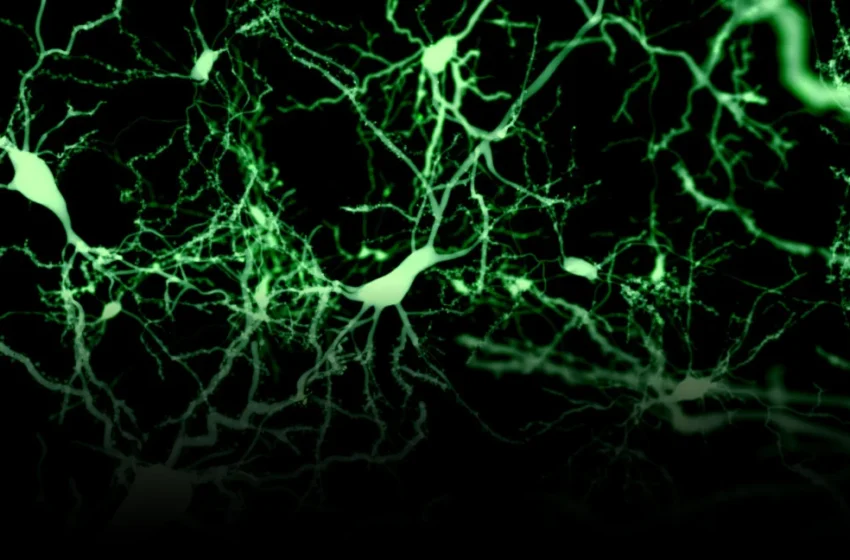
However, recent findings from the Albert Einstein College of Medicine directly challenge this long-held view. Neuroscientist Geoffrey Terral and his lab head Renata Batista-Brito identified a specific population of cortical cells that don’t just observe sleep rhythms but can actively initiate them. Activating these cells in a mouse, which represent a mere one percent of the cortex’s inhibitory neurons, was sufficient to induce sleep. This isn’t a subtle nudge; it’s a profound re-assignment of agency within the brain, positioning the cortex not just as a follower, but as a conductor.
What few are fully grasping is that this discovery isn’t just about sleep; it’s about a potential new vector for manipulating brain states. For anyone tracking the burgeoning field of brain-computer interfaces (BCIs) and direct neural control, the shift in understanding sleep’s origin point from deep brain structures to the comparatively accessible cortex is nothing short of a seismic event. This isn’t simply new science; it’s a fundamental re-calibration of what we believe possible regarding external control over internal biological processes.
The Cortex: From Follower to Conductor
For too long, the narrative around sleep’s genesis was anchored in the brain’s subcortical regions. “Usually, sleep is associated with being controlled by subcortical regions,” as Geoffrey Terral himself noted. This framework implicitly guided research into neural prosthetics and therapeutic interventions, often focusing on modulating pathways that, while effective, required invasive procedures or indirect pharmacological approaches to reach deeper structures.
The study published in Nature provides a starkly different picture. It pinpoints specific cortical cells that, when switched on, promote sleep. This direct causation flips the script, suggesting that the intricate slow-wave activity characteristic of deep sleep isn’t merely reflected in the cortex but can be generated there. The *locus of control* has shifted, moving from the brain’s interior to its readily addressable exterior.
This shift is critical. Subcortical regions, by their very nature, are difficult to access without significant surgical intervention, making direct, precise modulation complex and risky. The cortex, however, is the surface. Technologies like neurostimulation, transcranial magnetic stimulation (TMS), and even advanced EEG-based BCIs already interact with cortical activity, albeit usually for motor control or cognitive enhancement rather than fundamental state changes. The identification of a specific, accessible cortical ‘sleep switch’ suggests a pathway to inducing sleep with far less invasive means, potentially via targeted surface stimulation or more refined neural prosthetics.
Beyond Therapy: The Broader Control Question
The immediate and obvious applications of such a discovery lie in treating sleep disorders like insomnia, or perhaps aiding recovery for patients in critical care. Imagine a future where a targeted, non-invasive BCI could gently guide a restless mind into restorative sleep. The commercial appeal for such a device would be immense, and it’s easy to see why venture capital might already be eyeing this particular neural real estate.
However, the existence of a cortical switch for sleep also opens a more profound and ethically complex discussion. If sleep can be reliably initiated from the cortex, what other fundamental brain states could be similarly controlled or influenced? The notion that consciousness, mood, or attention could have accessible cortical ‘switches’ might seem like science fiction, but the very precedent set by this sleep discovery suggests that such questions are no longer purely speculative. The ease with which a critical biological function has been localised to an accessible part of the brain is both exhilarating and unsettling.
The incentive to explore these avenues is clear: enormous therapeutic potential, significant commercial gains, and the tantalizing prospect of human augmentation. Companies and research institutions are driven by the quest for less invasive, more effective methods to influence brain function, whether for treating debilitating conditions or enhancing human capabilities. This discovery, by pointing to a more accessible control point, inherently simplifies the technical challenge, making the pursuit of direct neural state manipulation a more tangible goal than before. Yet, the path from treating insomnia to potentially influencing broader states of consciousness via cortical intervention demands rigorous ethical debate, long before the next generation of AI-powered neurostimulation devices reach the consumer market.
