
Epic Games’ AI-First Leap: A $1.5 Billion Gamble on the Future of US Game Development
- Artificial Intelligence
Arjun Vedanta
- 0
- 10 minutes read
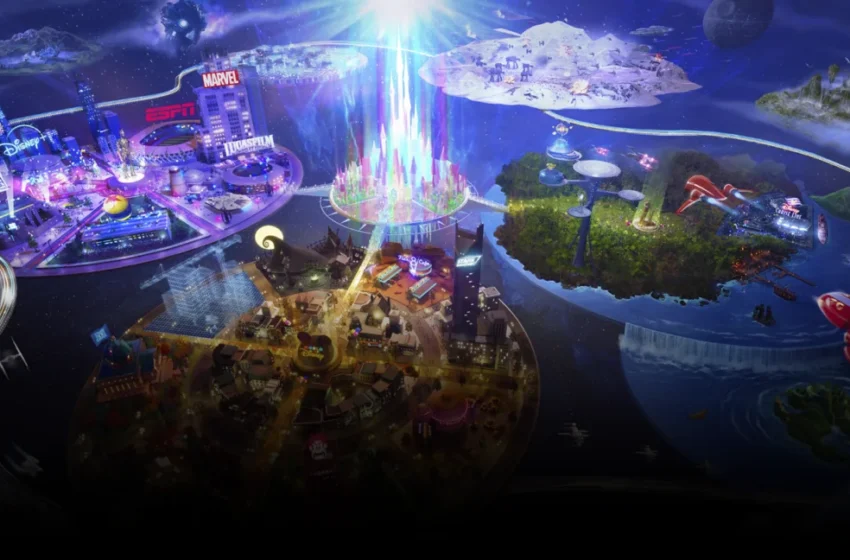
Epic Games is reportedly making a significant pivot to an “AI-first” development strategy for its highly anticipated $1.5 billion collaboration with the Walt Disney Company, meaning artificial intelligence models will drive code generation and guide artwork for an upcoming Marvel- and Star Wars-themed shooter. This strategic shift, disclosed by Bloomberg citing internal sources, signals a potential seismic change for US game development, raising critical questions about job displacement, the future of creative control, and the authenticity of player experience. The implications extend beyond Epic, forcing the American gaming industry to grapple with how rapidly generative AI will redefine creative roles and production pipelines.
The move by the Unreal Engine maker positions Epic at the forefront of a contentious debate within the US tech and entertainment sectors regarding AI’s role in creative fields. For American developers and enthusiasts, this isn’t just a technical adjustment; it’s a glimpse into a future where the human touch in game creation might become more supervisory than hands-on, potentially altering the very fabric of how beloved interactive experiences are brought to life.
The AI-First Mandate: What It Means for Development
The core of Epic Games’ new approach, according to Bloomberg’s report, is an internal directive for “no more hand-written code” and art assets “generated with full AI workflows.” This represents a radical departure from traditional game development. Instead of engineers meticulously coding features or artists sculpting textures from scratch, the process will allegedly rely on advanced AI models, such as Anthropic’s Claude, to produce these foundational elements.
Human developers and artists will not be entirely removed from the loop. Their role, as described in internal Epic employee messages, will shift to managing, guiding, and refining the AI-generated code and art. This means overseeing prompts, ensuring consistency, and perhaps fine-tuning outputs, rather than direct creation. Such a transition would fundamentally alter the skill sets required in the industry.
A Billion-Dollar Bet: Disney, Delays, and Dollars
The “AI-first” pivot centers around Epic’s massive $1.5 billion collaboration with Disney, initially announced in early 2024. This partnership aimed to create a robust universe linking Disney’s iconic intellectual properties, including Marvel and Star Wars, with Epic’s digital ecosystems like Fortnite and the Unreal Engine. The flagship project, a new shooter game, was originally slated for a March 2027 release.
However, Bloomberg reports that the project has now been delayed indefinitely. This delay is attributed to the internal AI-related shakeup and slower-than-expected development, compounded by understaffing issues. The intertwining of a massive financial commitment, high-profile IP, and this radical development shift highlights the significant risks and potential rewards Epic and Disney are navigating. For Disney, a company known for its meticulous control over its brands, entrusting a core creative process to AI, even guided, represents a substantial strategic gamble.
Traditional vs. AI-First Game Development
To understand the magnitude of this shift, consider the fundamental differences:
| Aspect | Traditional Game Development | Reported AI-First Development (Epic Games) |
|---|---|---|
| Code Generation | Primarily human-written by software engineers. | AI models write all code; humans manage and guide. |
| Art Asset Creation | Artists manually create models, textures, animations. | Full AI workflows generate art assets; humans manage and guide. |
| Creative Control | Direct human artists, designers, and writers. | Humans curate AI outputs, defining parameters and refining results. |
| Skillset Focus | Technical coding, artistic craftsmanship, design principles. | Prompt engineering, AI model management, quality assurance, ethical oversight. |
| Development Pace | Can be slow due to manual effort, iteration, and bug fixing. | Potentially faster initial generation, but may require significant AI “steering” and refinement. |
US Game Development at a Crossroads: Jobs, Creativity, and IP
Epic’s reported pivot reverberates across the American game development landscape, prompting urgent questions about job security and the evolution of creative roles. If successful, this “AI-first” model could accelerate production, potentially reducing the need for traditional coders and artists. The Entertainment Software Association reported that the US video game industry contributed $90.3 billion to the nation’s GDP in 2023, supporting 1.8 million jobs directly and indirectly. A widespread shift towards AI-driven creation could drastically reshape this workforce.
Concerns among US developers range from job displacement to the potential for generic, algorithm-driven content. While AI tools like Midjourney or Stable Diffusion are already assisting artists, a full “AI-first” mandate suggests a paradigm where AI initiates and structures the creative output, with humans acting as editors. This raises fundamental questions about authorship, artistic vision, and the unique “soul” that human creators bring to beloved titles like those from Naughty Dog, Bethesda, or Rockstar Games. Intellectual property (IP) ownership and licensing for AI-generated assets, especially when trained on vast datasets of existing human work, also present a complex legal minefield for US companies.
The transformation of game development roles demands that US educational institutions and industry leaders prepare a new generation of “AI wranglers” capable of effectively interfacing with these powerful tools.
Will Players Embrace AI-Generated Worlds?
Ultimately, the success of Epic’s “AI-first” strategy will hinge on player reception. American gamers, a diverse and often discerning demographic, prioritize innovation, narrative depth, and polished gameplay. While AI can procedurally generate vast worlds or assist with character animation, the critical question remains: can it replicate the nuanced storytelling, emotional resonance, and meticulous attention to detail that characterizes critically acclaimed titles?
There’s a potential risk of AI-generated content feeling soulless or generic, lacking the distinct artistic voice that often defines successful game franchises. Players connect with games that feel handcrafted and intentional. If the “AI-first” approach leads to a proliferation of titles that prioritize quantity over quality, or uniformity over originality, it could alienate a significant segment of the US gaming audience. Conversely, if AI can truly augment human creativity, allowing for unprecedented complexity and scope, it could unlock new possibilities.
The market has already seen some resistance to elements perceived as “cookie-cutter” or microtransaction-heavy. For a high-profile Marvel and Star Wars shooter, players will expect an experience that honors those beloved franchises, not one that feels like a technical demo for a new development pipeline.
Conclusion
Epic Games’ reported pivot to an “AI-first” development model for its Disney collaboration represents more than an internal strategy adjustment; it’s a litmus test for the future of US game development. The indefinite delay of the highly anticipated shooter underscores the complexities and challenges inherent in this ambitious shift. While AI offers tantalizing prospects for efficiency and scale, the industry must weigh these against potential impacts on the creative workforce, the artistic integrity of games, and ultimately, player satisfaction. The coming years will reveal whether this bold experiment paves the way for a new era of game creation or highlights the indispensable value of human artistry.
- Epic’s AI Pivot: Epic Games is reportedly adopting an “AI-first” strategy for its $1.5 billion Disney game collaboration, with AI models generating code and art.
- Job Redefinition: This shift could redefine traditional developer and artist roles, requiring skills in AI management and refinement rather than direct creation.
- Project Delay: The Marvel/Star Wars shooter, initially set for March 2027, is now indefinitely delayed due to the AI transition and development challenges.
- Industry Impact: The move has significant implications for US game development jobs, creative authenticity, and intellectual property discussions.
- Player Experience: The ultimate success hinges on whether AI-driven games can deliver the quality and emotional depth expected by American consumers.
FAQ:
What does “AI-first” game development mean?
“AI-first” game development, as reportedly adopted by Epic Games, signifies a strategy where artificial intelligence models are primarily responsible for generating core game assets, including programming code and visual artwork. Human developers then manage, guide, and refine these AI-generated outputs, shifting their role from direct creation to oversight and curation.
How might this impact US game developer jobs?
This shift could significantly alter the US game development job market. While new roles in AI management and prompt engineering might emerge, traditional positions for coders and artists focused on manual creation could see reduced demand or require substantial retraining. The long-term impact on overall employment levels remains a critical concern for the industry.
What is the status of the Epic Games and Disney collaboration?
The $1.5 billion collaboration between Epic Games and Disney, aiming to produce a Marvel- and Star Wars-themed shooter, has been indefinitely delayed. This delay is attributed to the internal “AI-first” development pivot and slower-than-anticipated progress, suggesting significant hurdles in implementing the new strategy.
Will AI-generated games be as good as human-made games?
The quality of AI-generated games is a central debate. While AI can create vast and complex worlds, there is concern that “AI-first” content might lack the nuanced storytelling, unique artistic vision, and emotional depth typically associated with human-made titles. Player reception will ultimately determine whether AI-driven creativity can match or surpass traditional development in terms of engagement and quality.
