
Farmed Salmon’s Nutritional Decline Exposes Global Regulatory Lag in Food Technology
- Artificial Intelligence
Arjun Vedanta
- 0
- 4 minutes read
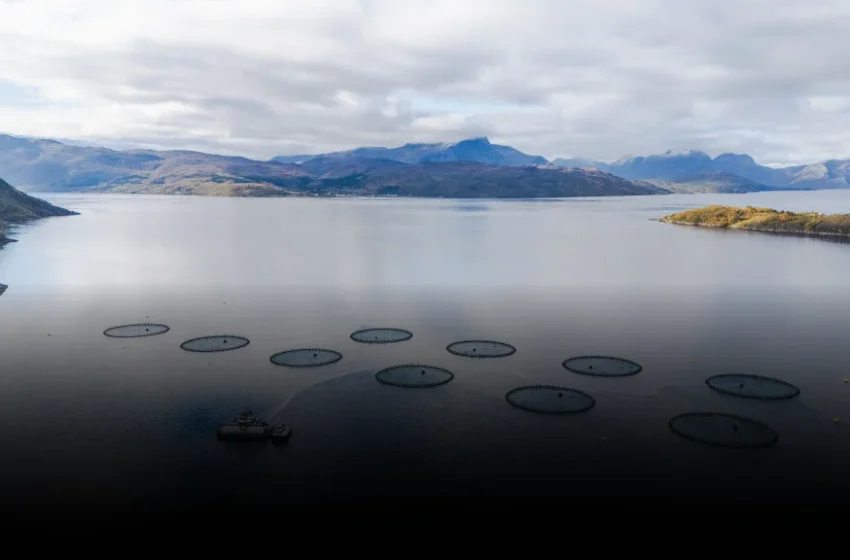
The Hidden Nutritional Erosion
Nearly 70 percent of the planet’s salmon now originate not from wild rivers or open oceans, but from aquaculture pens — a figure that profoundly shifts what “eating salmon” actually means. New research led by the US Department of Agriculture (USDA) scientists reveals a critical consequence of this industrial pivot: the Omega-3 fatty acid content in farmed salmon has dropped significantly. This isn’t merely a tweak to a product’s spec sheet; it is a fundamental re-calibration of a dietary staple, rendering long-standing public health advice from the USDA itself, and organisations like the American Heart Association, potentially obsolete.
This erosion of nutritional value highlights a systemic regulatory lag where public health guidelines struggle to keep pace with rapid, industrial-scale food technology advancements driven by market demand. Consumers are advised to eat more fatty fish for “heart-healthy” Omega-3s, yet the very fish they are increasingly buying may no longer deliver on that promise. The volume has scaled exponentially, but the intrinsic quality, the very reason for its recommendation, has quietly depreciated, creating a hidden nutritional deficit for millions globally.
When Production Outruns Policy
The story of farmed salmon’s declining nutritional profile is a familiar one in the broader narrative of industrialized food systems. As global demand for protein exploded, aquaculture technology delivered. Farmers found ways to feed, grow, and harvest immense quantities of salmon faster and cheaper. This efficiency often involves altering feed compositions, moving away from marine-derived ingredients rich in Omega-3s to more economical, often plant-based alternatives. The stark reality is that the primary incentive for large-scale aquaculture operations is to maximize biomass yield per unit cost, often leading to feed formulations that prioritize growth efficiency over maintaining a specific fatty acid profile, creating a cost-benefit calculation that public health advice has yet to effectively challenge.
This dynamic isn’t unique to farmed salmon; it’s a pattern in how our industrialized food systems, often touted as marvels of modern efficiency, quietly dilute the intrinsic value of what we consume, under the radar of existing health metrics. We celebrate the technological feat of feeding billions, yet rarely scrutinize the nutritional density of that abundance. The technological innovation in feed formulation has been prodigious, but the regulatory oversight, designed for a different era of food production, has been slow to adapt, creating a profound disconnect between what we think we’re eating and what we are eating.
Beyond the American Plate
While the USDA spearheaded this particular research, the implications ripple far beyond American borders. Farmed salmon is a global commodity, traded and consumed from Geneva to Singapore. Dietary guidelines issued by national health bodies across Europe, Asia, and other regions frequently echo the advice to consume Omega-3-rich fish. If the foundational nutritional data for those recommendations has shifted, then billions of people are making health-conscious choices based on outdated science.
This isn’t merely a critique of aquaculture; it is an urgent call for a more dynamic and globally integrated approach to food policy. Silicon Valley reporters might focus on the next big tech startup disrupting sustainable fish farming, but the real story here is the systemic failure to connect cutting-edge food science with real-world public health outcomes. We need regulatory frameworks that are agile enough to track rapid technological advancements in food production and adjust dietary guidelines in near real-time, ensuring that market-driven efficiencies do not silently undermine our collective health.
The immediate challenge is to update dietary recommendations with accurate data on today’s farmed salmon. The deeper, more enduring task is to build systems that prevent such a nutritional drift from occurring unnoticed again. Otherwise, we risk a future where our most trusted health advice is continuously outmaneuvered by the very technologies designed to feed us.
