
JLR’s Electric Range Rover: A Luxury Moat Against Mainstream EV Turbulence
- Electric Mobility
Arjun Vedanta
- 0
- 5 minutes read
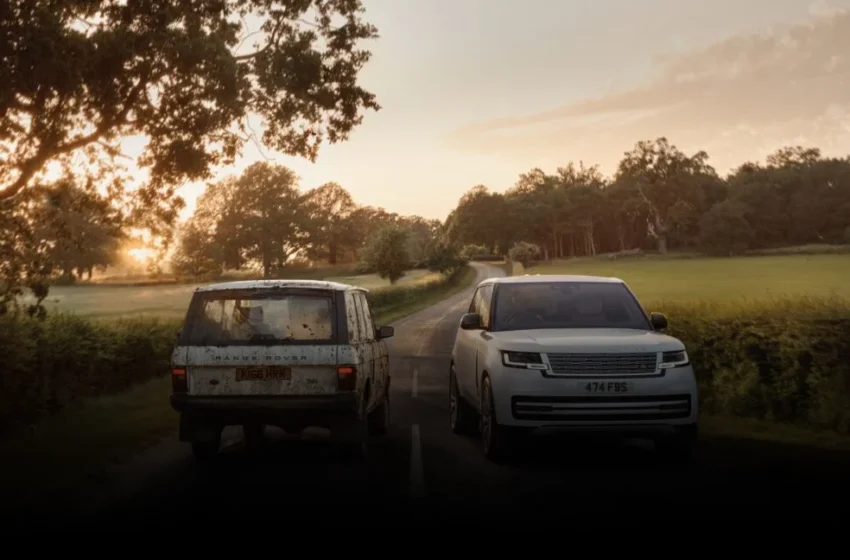
The ‘Seamless’ Myth of Electrification
The debut of the 2027 Range Rover Electric, with its subtle aerodynamic tweaks and a starting price of $138,000, is being framed by Jaguar Land Rover as a natural, almost inevitable evolution of a beloved luxury icon. This narrative, that the electric variant is ‘a Range Rover first and an EV second,’ aims to reassure an established customer base while attracting new buyers. However, a closer look at the stated demand reveals a more complex, and frankly, more calculated strategy at play, one that Silicon Valley’s EV-focused reporting often misses.
JLR reports an impressive 80,000 ‘hand-raisers,’ a number often touted as proof of overwhelming market enthusiasm. Yet, 70 percent of these individuals are supposedly new to the brand, and 20 percent already own an EV. This isn’t the story of existing Range Rover owners simply embracing an electric drivetrain; it’s a clear signal that JLR is tapping into a distinct, high-net-worth demographic seeking a *new* kind of ultra-luxury electric vehicle, not merely a zero-emission alternative to their petrol-powered predecessors.
The seamless integration argument — that it looks almost identical, drives like a Range Rover, and maintains its iconic status — feels more like a defensive posture than an offensive market play. When a company emphasizes familiarity over innovation in its core messaging, especially in an electric transition, it suggests a desire to control perception rather than fully lean into the transformative potential of the technology. The incentive here is clear: insulate the brand from the broader, increasingly competitive, and price-sensitive electric vehicle market while maintaining its premium pricing power.
Redefining Luxury in a Slower EV Market
Global EV adoption rates are not accelerating universally, nor are they a monolithic trend. While early adopters embraced electric cars with evangelistic fervor, the mainstream market has proven far more pragmatic, grappling with range anxiety, charging infrastructure, and initial purchase costs. JLR’s strategic response with the Range Rover Electric appears to be a shrewd sidestep around these mainstream challenges, carving out a specialized niche.
At $138,000, the Range Rover Electric positions itself not against the Teslas or Rivians of the world, but against an even more exclusive echelon of luxury goods. It’s not just an electric SUV; it’s a statement piece, an affirmation of status and environmental consciousness for those who can afford both without compromise. This allows JLR to capitalize on the desire for electrification among the affluent without having to contend with the brutal price wars and diminishing margins plaguing the broader electric automotive market.
The company, having experienced its own electrification timeline slips due to ‘pandemics, supply chains, and revanchism,’ now finds itself in a market where a measured, high-margin approach makes more sense than a frantic race for volume. This isn’t just about offering an electric option; it’s about solidifying Range Rover’s position at the apex of the luxury SUV segment, electrifying the brand from the top down. It’s a masterclass in brand differentiation, leveraging existing prestige rather than attempting to forge new ground in the crowded middle.
Beyond the Hype: JLR’s Calculated Retreat
The idea that 80,000 individuals have merely ‘raised their hands’ for a vehicle that costs nearly six figures, with 70% being new to the brand, warrants a skeptical eye. This figure functions more as a PR coup, generating buzz and validating JLR’s strategic direction, than as a firm indicator of impending sales volume. High interest is not high conversion, especially in the luxury segment where discerning buyers often explore multiple options and bespoke configurations.
This launch is less about leading the charge into a fully electric future for all JLR vehicles and more about securing the high-profit core of the Range Rover brand. It’s a calculated move to ensure that as the world inevitably shifts away from internal combustion engines (ICE), Range Rover remains relevant and, crucially, immensely profitable. The focus on preserving the ‘Range Rover experience’ — its capability, comfort, and luxury — rather than pioneering groundbreaking EV architecture, underlines this strategy.
In essence, JLR is not merely joining the EV race; it’s building a new, higher track. The Range Rover Electric is a luxury fortress, designed to attract a clientele motivated by both sustainable credentials and an unwavering desire for exclusivity and proven capability. This allows JLR to weather the turbulence of broader automotive market trends and EV growing pains, ensuring its most prized asset maintains its luster and profitability for years to come. It’s a strategy born from necessity and executed with an acute understanding of the ultra-premium automotive segment’s enduring desires, a nuanced play often overlooked by those too focused on the sheer number of EVs on the road.
