
John Ternus at Apple: A New Era or a Carefully Scripted Succession?
- Tech
Arjun Vedanta
- 0
- 4 minutes read
The Policy Hand That Still Guides
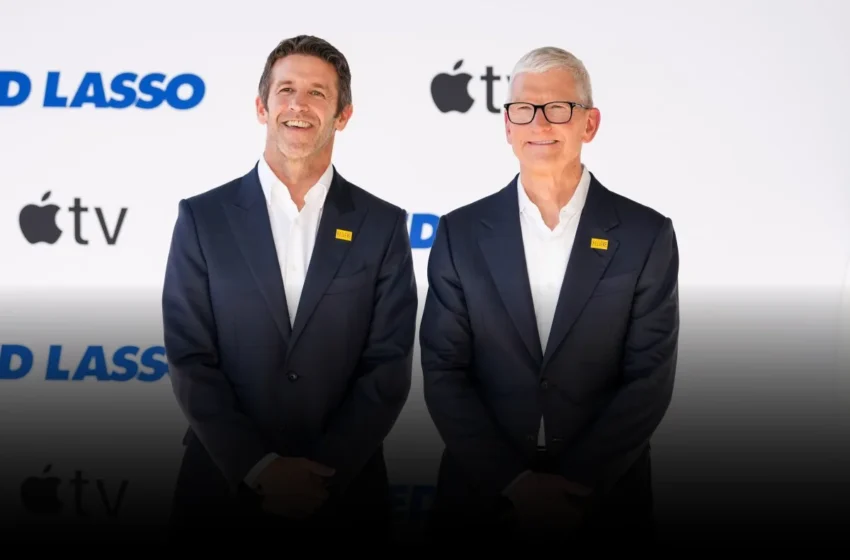
John Ternus might sit in the CEO’s chair, but the architect of Apple’s recent past isn’t going anywhere. Tim Cook’s transition to Executive Chairman, with a specific remit to focus on “policy relationships,” isn’t merely a graceful exit; it’s a strategic tether. This isn’t Silicon Valley’s usual clean break, where a founder or long-term CEO rides off into the sunset.
Cook’s continued presence, particularly in the byzantine world of international policy, speaks volumes about the challenges Apple faces globally. From European digital markets legislation to China’s ever-tightening grip on tech operations, the company relies on established diplomatic capital. That “map label” incident, where a seemingly minor cartographic dispute became a public balancing act, underscores the constant political tightrope Apple walks, a rope only Cook has truly mastered over the past decade.
This arrangement, therefore, signals less a handover of absolute power and more a division of labor where the most politically sensitive, and often existential, challenges remain under Cook’s veteran eye. It presents a critical question for Ternus: how much strategic autonomy can he truly wield when the previous CEO retains oversight of the global chessboard?
A Hardware Chief in the AI Crucible
Ternus, a hardware veteran, now leads Apple into an “AI era” that, paradoxically, our stateside colleagues suggest he’s “better positioned to make progress on software than hardware” within. This assessment strains credulity when you consider Apple’s deep institutional bias towards its tangible products.
The company’s DNA is forged in aluminum and silicon, from the iPhone to the M-series chips, not in the fluid, rapidly evolving landscapes of artificial intelligence where firms like OpenAI and even Nvidia are dictating the pace. Ternus’s most recent challenge, a “huge launch next week” presumably for a new iPhone, reinforces this hardware-first reality. The incentive for framing Ternus as a potential software savior is clear: to reassure investors that Apple, long seen as lagging in generative AI, can still pivot under new leadership, even if that leadership is hardware-native.
Yet, the global tech market is undergoing a profound structural shift where software intelligence and data orchestration are eclipsing mere processing power. Apple’s competitors, from Google to Microsoft, are fundamentally reshaping their entire product ecosystems around AI services. Relying on a hardware expert to suddenly unlock software innovation in a field as complex and interdisciplinary as AI feels like betting on a blacksmith to build a microchip; he understands the materials, but not necessarily the intricate new processes.
The Illusion of a Fresh Start
The narrative of a distinct “Ternus era” is, at best, premature. It’s an illusion of a clean break for a company that prizes stability and managed transitions above all else. Cook’s 2026 departure, after over a decade at the helm, was inevitable, but his continued presence means Apple’s strategic direction, particularly in sensitive geopolitical arenas, remains largely anchored.
This makes for a fascinating, if constrained, leadership dynamic. Ternus inherits a titan, but one whose most complex external relationships and, arguably, its core strategic tension—how to marry hardware excellence with an emergent AI-driven software imperative—are still overseen or implicitly influenced by his predecessor. This isn’t the unburdened visionary leadership Apple truly requires to navigate the next decade’s competitive maelstrom, especially as rivals like AfterQuery achieve unicorn status with purely software plays. Without a truly independent vision, Apple risks reactive innovation rather than leading the next industrial wave. That is the sharpest, most uncomfortable truth of this transition.
