
Naval Drones Redefine Maritime Conflict: A New Era of Automated Warfare
- Military Technology
Arjun Vedanta
- 0
- 5 minutes read
The Drone Counter-Offensive Reshapes Maritime Conflict
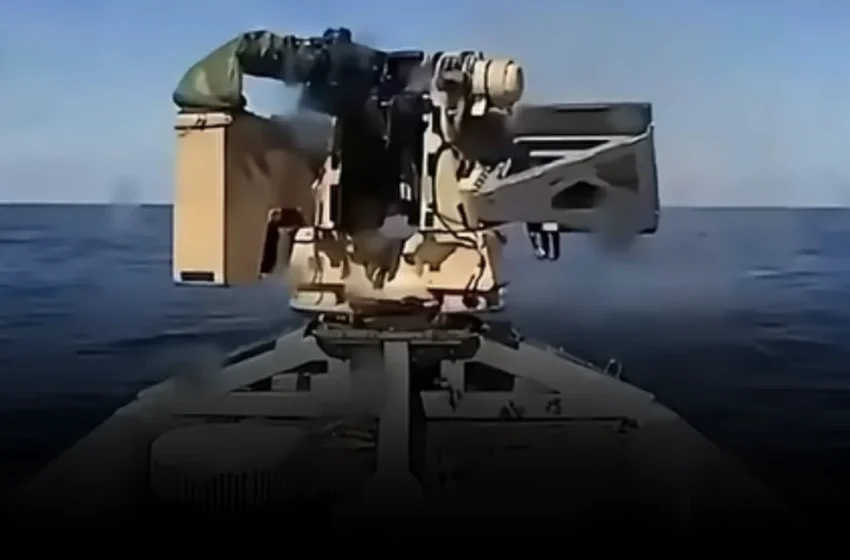
A single, remote-controlled machine gun turret, mounted on a Ukrainian unmanned surface vessel, fundamentally rewrote naval doctrine last month. The September 12 engagement in the Black Sea, where this Ukrainian naval drone intercepted and destroyed a Russian Orcan explosive drone boat, was not merely a ‘first’ in drone-on-drone combat. It signaled a profound strategic shift from purely offensive, asymmetric unmanned attacks to an active, robotic defense capability, complicating the future of maritime power projection.
For months, the Orcan, a Russian uncrewed surface vessel (USV) described as a ‘jet ski type steerable water jet,’ has been the spearhead of a low-cost, high-impact strategy. These vessels, designed to ram targets and explode, often coordinate with Geran aerial drones for reconnaissance and communication, posing a persistent threat to Ukrainian ports and ships. Their efficacy lies in their expendability and the psychological impact of swarm attacks, effectively forcing a disproportionate defensive response from traditional naval assets.
What the original reporting missed, however, was the significance of the counter-tactic: an armed intercept. Ukraine’s Defense Intelligence, detecting the approaching Russian USV, directed a Ukrainian Navy drone boat to engage, turning a potential kamikaze strike into a lopsided defeat for the aggressor. This move transforms the unmanned surface vessel from a suicidal projectile into a multi-role platform capable of both intelligence gathering and kinetic interdiction, altering the established playbook for asymmetric naval warfare.
The Accelerated Robotic Arms Race at Sea
This engagement marks the clearest signal yet that the global naval arms race is no longer solely about aircraft carriers or advanced frigates. Instead, it’s accelerating into the realm of software-defined, networked systems and readily deployable unmanned platforms. The ability of a relatively small, inexpensive drone to neutralize a similarly low-cost threat demonstrates a significant leap in defensive capabilities for littoral combat.
Traditional naval powers, already grappling with the rising costs of conventional shipbuilding and personnel, are watching this evolution with keen interest. The development of armed USVs, capable of operating autonomously or semi-autonomously, offers a compelling alternative to risking multi-million dollar manned vessels or human lives in high-risk zones. This particular encounter provides tangible evidence that investment in drone-on-drone countermeasures can yield decisive tactical advantages, spurring further development and deployment across navies worldwide.
We are witnessing the rapid formalization of an unmanned ‘kill chain’ at sea, where sensor data from aerial drones, coupled with intelligence, directly informs the deployment and engagement parameters of armed surface drones. This sensor-to-shooter loop dramatically compresses decision cycles, pushing the pace of conflict beyond human reaction times and accelerating the adoption of artificial intelligence in combat systems.
Incentives, Autonomy, and the Fog of Algorithms
Nations are racing to adopt unmanned systems primarily because they offer an enticing blend of deniability, cost-effectiveness relative to traditional warships, and, crucially, a perceived reduction in human casualties – a powerful political incentive to engage in ‘grey-zone’ tactics without triggering full-scale conventional responses. This shifts the strategic calculus, making minor skirmishes easier to initiate and harder to attribute definitively.
However, the rapid push toward greater autonomy in maritime warfare presents its own set of profound challenges. The Black Sea engagement, while demonstrating a human-in-the-loop remote operation, highlights the trajectory towards more self-governing systems. The proliferation of these technologies, especially in contested waters, risks reducing the human element in decision-making and potentially escalating conflicts through algorithmic miscalculation or unintended consequences. The promise of ‘bloodless’ warfare at sea, driven by these technologies, is a convenient, yet dangerous, fiction; it merely shifts the human cost from direct combatants to the unseen networks of operators, engineers, and supply chains, while cheapening the threshold for conflict.
The international community remains largely unprepared for the ethical and legal frameworks necessary to govern truly autonomous weapons systems at sea. This Ukrainian success, while tactically brilliant, is a stark reminder that the technology is advancing far faster than our collective ability to establish guardrails. The long-term implications for global stability and the very nature of conflict demand far more scrutiny than the immediate tactical headlines suggest.
