
Paris Auto Show Highlights a Stark Divide for US Car Buyers
- Electric Mobility
Arjun Vedanta
- 0
- 11 minutes read
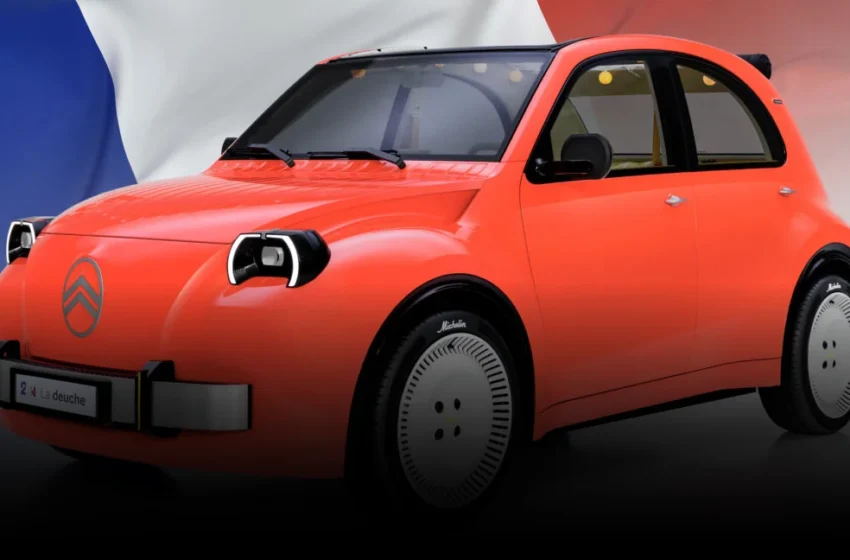
The recent Paris Auto Show unveiled a compelling array of electric and compact vehicles, showcasing innovative European design and a clear direction towards sustainable urban mobility, yet these exciting models are largely destined to remain across the Atlantic, underscoring a deepening chasm between global automotive markets and a missed opportunity for American consumers.
For decades, auto shows were the premier stage for automakers to debut their latest innovations, setting the tone for future trends. While the glamour of these events waned in the past, with many brands opting for standalone reveals, the Paris show presented a refreshing return to form, featuring a vibrant collection of imaginative concepts and production models. However, the excitement for American enthusiasts is tempered by a familiar frustration: most of these forward-thinking vehicles, particularly from Stellantis’ European portfolio and Renault, are not slated for the United States, leaving a gap in diversity and electrification options for the American market.
What Did Paris Showcase That America Missed?
The Paris Auto Show was a vivid demonstration of Europe’s commitment to electrified and compact urban transport. French automaker Renault, known for its rich history of concept cars, captivated attendees with its future-forward designs. These weren’t just stylistic exercises; they were blueprints for practical, efficient electric vehicles designed for European cityscapes and beyond, emphasizing sustainability and intelligent connectivity.
Perhaps even more significant was the strong showing from various brands under the Stellantis umbrella. While Stellantis operates a massive global portfolio that includes American stalwarts like Jeep, Ram, and Dodge, its European marques like Citroen, Peugeot, and Fiat stole the spotlight in Paris. These brands unveiled a range of compelling new models, from stylish electric hatchbacks to versatile compact SUVs, all prioritizing efficiency, modern design, and advanced in-car technology. These vehicles represent a market segment that is robust and growing in Europe, offering consumers diverse options for efficient personal transport that American buyers simply don’t have access to.
The European EV Strategy: Compact, Connected, Sustainable
The models presented by European brands highlight a distinct strategic direction. They are generally smaller, more agile, and often more affordable than many EVs currently available or planned for the US market. These vehicles are tailored for:
- Urban Mobility: Designed to navigate congested city streets and fit into smaller parking spaces.
- Energy Efficiency: Optimized for shorter commutes and lower energy consumption, reflecting higher fuel prices and stronger environmental policies.
- Sustainable Materials: Often incorporating recycled materials and design philosophies that reduce their overall environmental footprint.
- Accessible Electrification: Aiming to make EVs a viable option for a broader range of consumers, not just the premium segment.
This focus stands in stark contrast to the dominant trend in the US, where electric vehicle adoption is heavily weighted towards larger SUVs and pickup trucks, reflecting deep-seated American consumer preferences for space and utility.
Why Are These European Models Staying Across the Atlantic?
The absence of these compelling European models from the US market isn’t arbitrary; it’s a complex interplay of economic, regulatory, and cultural factors. The primary reasons include:
| Factor | US Market Impact | European Market Impact |
|---|---|---|
| Consumer Preferences | Strong demand for large SUVs, trucks, and muscle cars; perceived value in size and power. | Demand for compact, fuel-efficient, and practical vehicles suited for dense urban environments and smaller roads. |
| Regulatory Standards | Distinct safety (e.g., crash tests, bumper height), emissions (though EVs mitigate this), and import regulations. | Different, often stricter, emissions targets and safety standards tailored to European conditions. |
| Distribution & Branding | High cost and complexity of establishing new brands or separate dealer networks for existing brands like Peugeot or Citroen; significant marketing investment required to build brand awareness. | Established brand recognition and existing dealer networks for major European players. |
| Tariffs & Trade | Import duties on European-made vehicles can significantly increase retail prices, making them less competitive. | Seamless movement of goods within the European Union, facilitating broader market access. |
For a global conglomerate like Stellantis, bringing a brand like Peugeot back to the US—after its departure in the early 1990s—would require immense investment in re-establishing its brand, building a new dealer network, and adapting its vehicles to American tastes and regulations. The financial risk often outweighs the potential reward, especially when their existing US brands (Jeep, Ram, Dodge) are already highly profitable.
The V8 Dilemma: A Divergent Path for Stellantis in the US
Perhaps the most striking illustration of the transatlantic divide in Stellantis’ strategy is the simultaneous unveiling of future-focused EVs in Paris and the impending relaunch of a V8 Hellcat-powered Charger in the US. This decision to double down on high-performance, fossil-fuel-guzzling vehicles for the American market, even as the world shifts towards electrification, presents a fascinating and somewhat concerning paradox.
On one hand, the continued investment in models like the Hellcat Charger caters directly to a segment of American consumers who still crave raw power and traditional muscle car aesthetics. This strategy capitalizes on existing brand loyalty and an established market for performance vehicles, generating significant short-term profits. However, it also signifies a reluctance to aggressively transition the core American product portfolio towards the future of mobility, potentially lagging behind competitors who are making more decisive shifts to electric.
This dual approach suggests a pragmatic, yet potentially risky, balancing act. Stellantis aims to harvest profits from its legacy V8 offerings in the US while investing in a separate, predominantly European-centric EV development pathway. While this allows for market-specific optimization, it also means American consumers are deprived of some of the cutting-edge, efficient electric alternatives that their European counterparts can readily access from the same parent company. The long-term implications for Stellantis’ global brand image and its sustainability goals, given this stark contrast, remain to be seen.
Implications for US Consumers and the EV Transition
The European models at the Paris Auto Show represent more than just cars; they symbolize a potential future for personal transportation that prioritizes efficiency, intelligent design, and environmental responsibility. The fact that these vehicles are largely unavailable in the US has several critical implications for American consumers and the nation’s broader electric vehicle transition:
- Limited Consumer Choice: US buyers miss out on a wider spectrum of vehicle types, particularly in the compact and affordable EV segments. The market remains skewed towards larger, often more expensive, electric SUVs and trucks.
- Slower EV Adoption: Without a diverse range of compelling, entry-level, and mid-size EV options, the transition to electric vehicles in the US could be slower for segments of the population who prefer smaller cars or are on tighter budgets.
- Innovation Lag: While American automakers are certainly innovating, the lack of direct market pressure from these diverse European models might reduce the urgency for US-focused brands to explore similar compact, hyper-efficient designs.
- Environmental Impact: The continued dominance of larger, less efficient vehicles, even electric ones, means higher resource consumption and a potentially slower reduction in overall carbon footprint compared to markets embracing smaller, lighter EVs.
Ultimately, the Paris Auto Show serves as a potent reminder that the global automotive landscape is evolving at different speeds and in different directions. For American consumers, it highlights a missed opportunity for greater choice, accelerated innovation, and a more diversified pathway to an electrified future.
Key Takeaways for TechTicle Readers
- The Paris Auto Show revealed innovative, often compact, electric vehicles from European brands like Renault, Citroen, Peugeot, and Fiat, largely unavailable in the US.
- This divergence stems from differing US and European consumer preferences, regulatory hurdles, and the high cost of re-establishing brands.
- Stellantis employs a dual strategy, focusing on profitable V8 models for the US while advancing EVs in Europe.
- US consumers face limited choice in compact and affordable EVs, potentially slowing the overall electrification transition.
- The current market dynamic impacts US innovation, consumer options, and the nation’s environmental footprint.
FAQ: Your Questions on European Cars and the US Market Answered
Why are European car models often smaller than their American counterparts?
European road infrastructure, particularly in older cities, features narrower streets and smaller parking spaces, necessitating more compact vehicles. Additionally, higher fuel prices and stricter emissions regulations in Europe have historically driven demand for more fuel-efficient, smaller cars.
Could any of these European brands or models eventually come to the US?
While unlikely in the short term due to the significant financial and logistical challenges of market re-entry and regulatory adaptation, it’s not impossible. Stellantis, for instance, could potentially introduce specific EV platforms or technologies under one of its existing American brands if it sees a viable market segment emerge or if regulatory pressures change significantly.
How does the focus on large vehicles in the US impact the country’s EV transition?
The strong US preference for large SUVs and trucks means that even as EVs gain traction, the transition may still lead to higher energy consumption per vehicle compared to a market dominated by smaller EVs. It also means that consumers seeking more compact or entry-level electric options have fewer choices, potentially slowing overall EV adoption rates across different income brackets and lifestyle needs.
What is Stellantis’s overall strategy with these divergent market approaches?
Stellantis appears to be pursuing a highly localized strategy, maximizing profitability in each major market based on current consumer preferences and regulatory environments. In Europe, that means pushing advanced EVs, while in the US, it involves leveraging established brands and popular vehicle segments, including high-performance internal combustion engines, alongside its own burgeoning EV offerings for the US market under brands like Dodge and Jeep.
