
Quake at 30: When Fan Labor Becomes Official Canon
- Software
Arjun Vedanta
- 0
- 5 minutes read
The Quiet Erosion of Community Lines
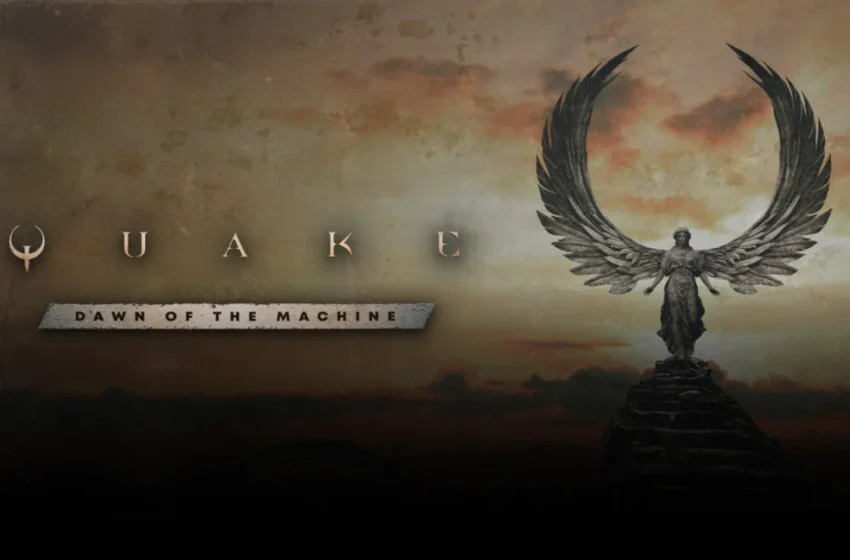
Bethesda’s recent release of “Dawn of the Machine,” a new campaign chapter for the original Quake, is being presented as a celebratory nod to the game’s 30th anniversary. It is not merely a nostalgia play, though. This seemingly straightforward act of adding fresh content to a legendary title quietly underscores a more profound shift in how intellectual property is managed, particularly when that property boasts a vibrant, long-standing modding community. The line between what constitutes official, monetized content and what emerges from the passion of a dedicated fanbase is blurring, and fast.
MachineGames, known for its work on the Wolfenstein reboot series and the upcoming Indiana Jones and the Great Circle, developed this new chapter. However, the actual maps come from a group within MachineGames dubbed “Quake Club”—individuals creating these intricate levels in their spare time. This detail, almost an aside, is where the structural implications truly begin to surface for anyone watching beyond the immediate announcement.
The New Gold Standard for Old Games
The technical achievement is undeniable. The new maps, crafted using modern tools like the TrenchBroom editor, possess an ambition and scope that far exceed the typical constraints of late-’90s level design. This new capability allows for experiences that feel both authentic to Quake’s brutalist aesthetic and fresh in their complexity. It’s an ideal scenario for a game known for its endless replayability through user-generated content.
For decades, titles like Quake thrived on the ingenuity of their players. Modding communities—from level designers to code tinkerers—extended game lifespans well beyond their commercial cycles, often without direct corporate endorsement or financial recompense. These unofficial expansions, custom maps, and total conversions formed an essential, if uncredited, backbone of game longevity. Now, a major publisher like Bethesda, through its subsidiary MachineGames, is essentially folding this grassroots development model into its official release schedule, effectively canonizing what might otherwise be considered high-tier modding.
It raises a pointed question: at what point does a passion project undertaken by employees in their “spare time” cease to be a hobby and become an uncompensated contribution to corporate intellectual property? The original article did not fully explore this consequence, this structural implication, of the ‘Quake Club’ model.
IP Stewardship in the Era of Distributed Development
Publishers understand the immense value of a loyal fanbase. Keeping an old game relevant and profitable through incremental updates or remasters is a low-risk, high-reward strategy. The incentive for Bethesda to release content like “Dawn of the Machine” now is clear: it reinvigorates interest in the franchise, potentially drives sales of other Quake-related products, and reinforces a perception of robust IP stewardship. It’s an elegant solution, leveraging internal talent’s enthusiasm without needing to greenlight a full-blown new title or a traditional, costly expansion pack development cycle.
But this model, where dedicated employees craft official content during off-hours, risks setting a problematic precedent. It subtly devalues the formal development process while simultaneously absorbing the spirit of independent, community-driven creation into a corporate framework. What differentiates the work of the ‘Quake Club’ from a highly skilled, external mod team, other than the paychecks received during their primary work hours? The sharpest observation here is that publishers are increasingly finding ways to monetize the very passion that once threatened to decentralize their control over beloved universes. It’s a clever, if cynical, form of fan service as product development.
This isn’t an isolated incident. Across the industry, from companies tapping modders for official remasters to the ongoing debate around AI-generated content in creative fields, the definition of authorship and ownership is in flux. The global tech landscape, far from the insular views sometimes found within Silicon Valley, has seen this pattern emerge in various guises – from open-source projects being commercialized to entire digital economies built on user-generated content. Bethesda’s handling of Quake‘s 30th anniversary is less a simple celebration and more a sophisticated maneuver in the evolving strategy of maintaining control and extracting value from legacy intellectual properties, even if it means blurring the lines of what ‘official’ truly means.
