
DeepMind’s Hurricane Breakthrough Underscores a Stark Global Divide
- Artificial Intelligence
Arjun Vedanta
- 0
- 5 minutes read
Predicting the Unpredictable, Unequally
In the high-stakes world of climate modeling, a single extra day of warning can mean the difference between life and death, between salvaged livelihoods and total ruin. This week, Google’s DeepMind and Google Research dropped an undeniable headline: their new AI model, WeatherNext, can predict cyclones with unprecedented accuracy, offering an average of one more day of lead time than current conventional models. Specifically, its three-day forecasts match the accuracy of traditional two-day predictions, a significant leap detailed in a recent Nature paper.
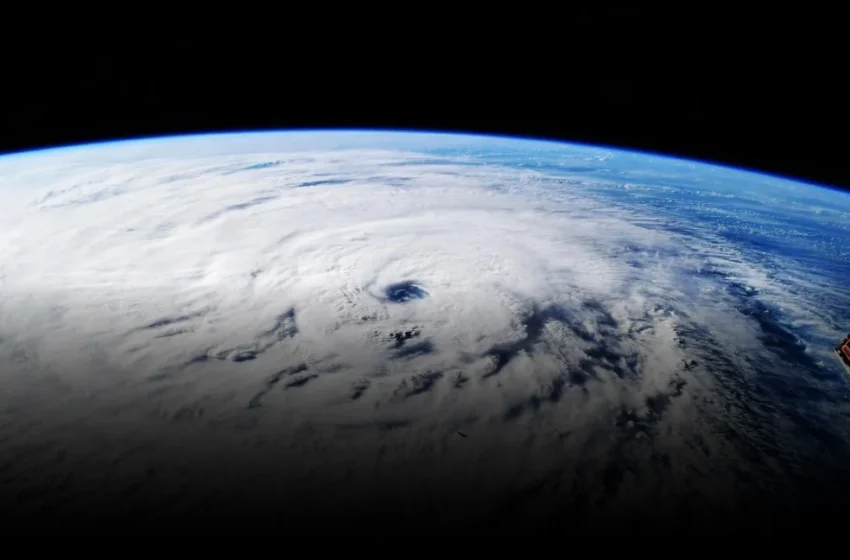
The example cited is a chilling preview of potential futures: Hurricane Melissa, October 2025, a Category 5 monster hitting Jamaica. WeatherNext reportedly foresaw this five days out with 80 percent confidence, allowing for earlier warnings. On its surface, this is an unequivocal triumph of machine learning applied to a critical global challenge, a testament to the colossal compute power and data DeepMind has at its disposal.
Yet, for all the justified excitement surrounding this technological marvel, the real story isn’t just about prediction; it’s about preparation. And that, in an increasingly climate-vulnerable world, is where the structural implications of such advanced AI hit a severe geopolitical and socioeconomic wall that Silicon Valley tends to overlook.
The Cost of Preparedness in a High-Stakes World
An extra day of warning for a Category 5 hurricane is invaluable. But invaluable to whom? The ability to act on that warning is not evenly distributed across the globe. For many of the most vulnerable nations, often small island developing states or low-income coastal regions, early warnings are only as good as the infrastructure available to respond. This means robust evacuation routes, secure shelters, emergency services, and the financial capital to mobilize resources — elements frequently scarce where hurricanes hit hardest.
Consider the stark difference between a well-resourced coastal city in Florida, capable of coordinating mass evacuations and hardening infrastructure, and a community in Haiti or rural Jamaica, where rudimentary homes are often built on floodplains with limited access to safe havens or rapid transport. While WeatherNext might have given Jamaica a five-day heads-up for Hurricane Melissa, the article itself notes the storm still caused catastrophic flooding and landslides. The technology improved the warning, but it didn’t fundamentally alter the underlying vulnerability.
This is where the promise of AI for climate resilience risks becoming a cruel mirage. Google’s incentive for developing WeatherNext is clear: it’s a powerful demonstration of AI’s societal benefits, enhancing its brand as a responsible tech leader and opening doors for future applications, perhaps even commercial ones. But without a parallel, massive investment in climate adaptation and disaster preparedness infrastructure in these frontline nations, the value of that extra warning day is severely diluted. An early warning system is not a shield; it’s merely a signal. And a signal, no matter how precise, does little for those who cannot move out of harm’s way.
Beyond the Algorithm: Real-World Resiliency
The conversation around climate tech often fixates on breakthroughs in prediction, carbon capture, or renewable energy, all vital areas. But what DeepMind’s accomplishment inadvertently highlights is the persistent, uncomfortable truth that the capacity to adapt to climate change remains profoundly unequal. The most sophisticated AI models will primarily benefit those regions already possessing the means to translate predictions into tangible safety measures.
The skeptical observation here is this: an AI model that forecasts a disaster with perfect accuracy but fails to prevent catastrophic outcomes in a vulnerable nation primarily serves as a more precise record-keeper of suffering rather than a true preventative measure. The technical marvel is unquestionable, but the practical, equitable impact is far less certain. This isn’t a critique of the science but a spotlight on the broader socio-economic context that determines its real-world utility.
What is needed now, alongside these impressive predictive algorithms, are innovative financial mechanisms, international aid, and localized infrastructure projects that enable vulnerable communities to actually *act* on these advanced warnings. The computational models for predicting atmospheric dynamics are rapidly improving, but the social and economic models for mitigating human suffering from those same dynamics remain stubbornly stagnant. Without addressing this fundamental gap, AI’s contribution to climate resilience will remain a powerful tool in the hands of the prepared, while offering little more than a slightly earlier glimpse of impending catastrophe to the unprepared.
