
Refrigeration Hack in France: A Chilling Warning for US Industrial IoT Cybersecurity
Arjun Vedanta
- 0
- 11 minutes read
The French supermarket refrigeration hack is a stark warning for US businesses, particularly those in critical sectors like food retail and logistics, highlighting the severe cybersecurity risks inherent in poorly secured Internet of Things (IoT) devices. This incident underscores an urgent need for better security practices and regulatory oversight for connected industrial systems, serving as a blueprint for potential catastrophe in the United States.
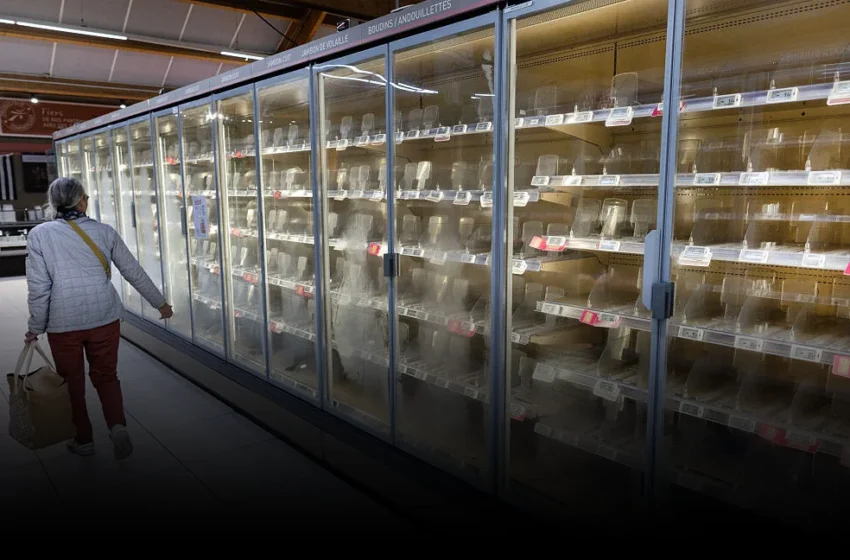
Earlier this week, an estimated 700 supermarkets across France experienced a mass hack of their Internet-connected refrigeration systems. The attack caused widespread malfunctions, leading to the spoilage of untold tons of perishable goods and, in some severe instances, electrical fires. French authorities confirmed that remote administration controllers, which manage store-wide refrigeration fleets, were compromised. The attackers then activated defrosters, causing temperatures inside the refrigerators to soar as high as 122° Fahrenheit (50° Celsius) before the breaches were discovered.
This incident is not merely a European problem; it represents a tangible threat that American businesses must heed. US companies like Copeland, a parent company of Dixell, manufacture controllers similar to those exploited in the attack, meaning these vulnerabilities could exist within critical US infrastructure, from local grocery stores to massive cold storage warehouses and pharmaceutical distribution centers. The incident in France serves as a stark blueprint for potential cyberattacks targeting critical infrastructure within the United States.
The Unseen Threat of Connected Cold Chains: Why IoT Cybersecurity for US Businesses Matters
The core of the French incident lies in the widespread deployment of industrial IoT devices without adequate security. Modern commercial refrigeration systems are increasingly connected, allowing technicians to remotely monitor performance, diagnose issues, and adjust settings. This connectivity, while offering significant operational efficiencies and cost savings, also introduces a vast attack surface.
In the US, the prevalence of these systems is immense. Every supermarket, restaurant chain, pharmaceutical distributor, and food processing plant relies on sophisticated, often Internet-connected, cold chain technology to preserve inventory. Weak default credentials and a failure to regularly patch connected devices remain Achilles’ heels for industrial IoT security, creating vulnerabilities that malicious actors can easily exploit to cause physical damage and massive financial losses.
Anatomy of a Breach: How a Simple Flaw Led to Widespread Damage
The compromised systems involved controller models from Danish company Danfoss, as well as Dixell and its US-based parent company, Copeland. These devices, integral to maintaining temperature stability, contained critical vulnerabilities that allowed attackers to gain administrator-level remote access. The simplicity of the exploit is particularly alarming.
The “Daily Password” Problem
One of the most striking vulnerabilities involved in the attack was a severely outdated security mechanism: a credential that changed daily. According to security advisories and public research, the password was generated by publicly available firmware based on the date. A hacker who invested time to analyze this code could easily replicate the password generation process, gaining entry into any unpatched device.
Crucially, these daily passwords were often identical across hundreds or thousands of models, creating a master key for attackers. This design flaw meant that compromising one device’s security logic could grant access to entire fleets of systems, irrespective of their physical location.
Unpatched Vulnerabilities: A Persistent Gap
Beyond the weak password design, the success of the French hack hinged on the failure of organizations to apply “recent updates” to their systems. Even when manufacturers release patches for known vulnerabilities, a significant number of deployed industrial IoT devices remain unpatched. This creates a persistent window of opportunity for attackers to exploit well-documented flaws.
For US businesses, this highlights a systemic problem: many organizations prioritize operational continuity over timely security updates for their operational technology (OT) systems. The perceived risk of downtime from an update often outweighs the abstract threat of a cyberattack, until an incident like the one in France demonstrates the devastating real-world consequences.
Beyond Spoilage: The Ripple Effect on US Supply Chains and Consumers
The implications of such an attack extend far beyond simply replacing spoiled groceries. For US businesses and consumers, a similar incident could trigger cascading failures across the supply chain and impact public health.
Economic Fallout: More Than Just Lost Food
The financial impact of the French hack, though not fully quantified, is undoubtedly in the millions of dollars when considering:
- Lost Inventory: Direct cost of discarded perishable goods (meat, dairy, produce, frozen foods).
- Operational Disruption: Lost sales, temporary store closures, labor costs for clean-up and recovery.
- Equipment Damage: Repairs or replacement of refrigeration units and electrical systems damaged by fires.
- Reputational Harm: Erosion of customer trust and brand loyalty due to product unavailability or safety concerns.
For US food retailers, these costs could be significantly higher given the scale of operations and the interconnectedness of supply networks.
Public Safety and Fire Hazards
The fires sparked by malfunctioning electrical systems during the hack represent a severe public safety risk. Uncontrolled temperatures can also lead to the growth of harmful bacteria in food, posing a threat to public health. The US Food and Drug Administration (FDA) has strict guidelines for food storage temperatures precisely to prevent such outbreaks.
A large-scale incident could prompt recalls, further damaging consumer confidence and potentially leading to widespread health issues if contaminated products reach the market.
Securing the Cold Front: Urgent Steps for American Businesses
Protecting critical industrial IoT systems requires a multi-faceted approach, moving beyond basic, outdated security practices. US businesses, particularly those in food, logistics, and healthcare, must implement robust cybersecurity measures.
| Vulnerability Type | Description (French Incident) | Modern IoT Security Best Practice |
|---|---|---|
| Authentication | Daily, date-based, publicly calculable passwords shared across devices. | Unique, strong, multi-factor authentication (MFA) for each device; secure credential management systems. |
| Patch Management | Systems vulnerable due to lack of “recent update” to firmware. | Regular, automated security updates and patch deployment; robust vulnerability management program with clear ownership. |
| Network Access | Internet-connected controllers remotely compromised with administrator rights. | Network segmentation (isolating OT from IT networks); least privilege access; continuous monitoring for anomalous activity; secure remote access protocols (e.g., VPNs). |
| Visibility & Inventory | Lack of clear oversight over all connected devices and their security posture. | Comprehensive asset inventory of all IoT/OT devices; baseline monitoring for deviations from normal behavior; incident response planning specific to OT. |
Companies must invest in dedicated OT security teams or consultants who understand the unique operational constraints and security requirements of these systems. Regular security audits and penetration testing of industrial IoT infrastructure are no longer optional.
Regulation and Responsibility: A Call for Proactive Measures
The French incident also brings into focus the role of manufacturers and regulators. Companies like Danfoss, Dixell, and Copeland bear a responsibility to design secure-by-default products, move away from easily exploitable credentials, and provide timely, easily deployable security updates.
In the US, agencies like the National Institute of Standards and Technology (NIST) and the Cybersecurity and Infrastructure Security Agency (CISA) provide frameworks and guidance for critical infrastructure cybersecurity. However, voluntary compliance is often insufficient when the economic and safety stakes are this high. Policy discussions around mandatory security standards for industrial IoT devices, particularly those in critical sectors, may become more urgent in the wake of such global incidents.
Conclusion: Time to Harden Our Digital Infrastructure
The mass refrigeration hack in France is a potent reminder that the physical world is increasingly intertwined with the digital, and vulnerabilities in one can have devastating consequences for the other. For US businesses, this is not just a cautionary tale but a pressing call to action.
- Assess Your IoT Footprint: Identify all connected industrial control systems, especially those managing critical functions like refrigeration.
- Prioritize Patching: Establish a rigorous, enforced schedule for applying security updates to all IoT/OT devices.
- Strengthen Authentication: Move beyond default or easily guessable passwords to unique, strong credentials and multi-factor authentication.
- Segment Networks: Isolate critical OT networks from general IT networks to contain potential breaches.
- Invest in Expertise: Develop internal OT cybersecurity expertise or partner with specialized security firms.
FAQ: Protecting US Businesses from IoT Cyber Threats
What exactly are “Internet-connected controllers” in this context?
These are industrial IoT devices that enable remote monitoring and management of systems like commercial refrigerators and freezers. They allow technicians to adjust settings, diagnose issues, and ensure proper function from a central location, but their internet connectivity also exposes them to cyberattacks if not adequately secured.
Could a similar refrigeration hack happen in the United States?
Yes, absolutely. The vulnerabilities exploited in France, such as weak default passwords and unpatched software, are common issues in industrial IoT systems globally, including within the United States. US companies like Copeland manufacture similar controllers, meaning many American businesses could be running equally vulnerable systems.
What are the primary risks for US consumers if a similar attack occurs?
Primary risks include widespread food spoilage leading to product unavailability and significant price increases. More critically, temperature fluctuations can compromise food safety, potentially leading to outbreaks of foodborne illnesses if contaminated products reach consumers. There’s also the direct physical danger from electrical fires caused by malfunctioning systems.
What should US businesses do immediately to prevent such an attack?
Businesses should conduct an immediate inventory of all connected industrial control systems, verify that all devices are running the latest security updates, enforce strong, unique passwords, implement multi-factor authentication where possible, and segment their operational technology networks from their general IT infrastructure to minimize attack surface.
