
Rivian’s Strategic Pivot: Diluting Luxury for Mass Appeal?
- Electric Mobility
Arjun Vedanta
- 0
- 4 minutes read
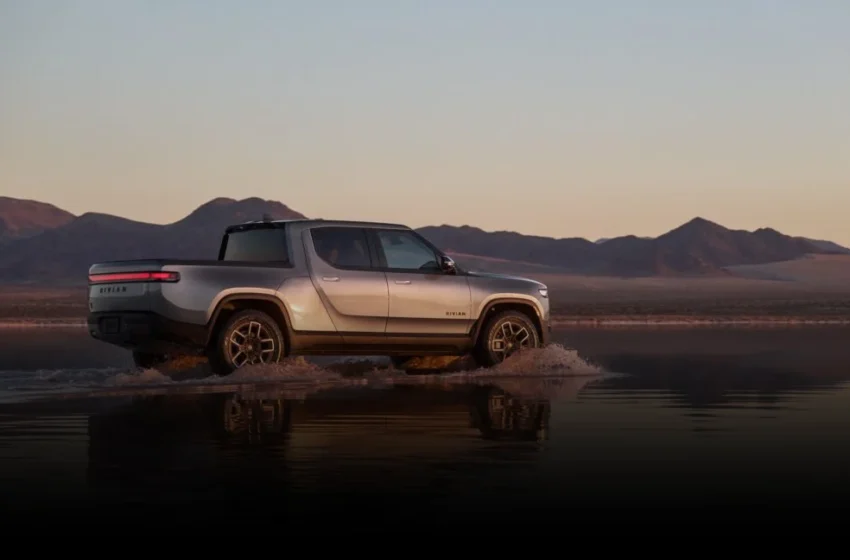
The Subtle Erosion of a Niche
The new captain’s chairs in Rivian’s 2027 R1S aren’t just about passenger comfort; they are a subtle but potent symbol of a brand at an inflection point, torn between its adventurous luxury origins and the relentless demands of mass-market scale. What appears on the surface as a customer-friendly update—the automaker’s response to the “No. 1 most-requested feature” for the R1S—is actually a deliberate move to align the premium R1 line more closely with the forthcoming, more accessible R2.
This strategic mirroring extends beyond seating, encompassing a simplified trim structure that adopts the R2’s Premium and Performance designations, alongside the retained Quad option. While maintaining current base prices of $79,990 for the R1T and $83,990 for the R1S, Rivian is effectively standardizing its offerings. The change means less bespoke complexity and more commonality across its future product portfolio, a calculated step toward operational efficiencies.
However, the notion that the “most requested” feature is automatically the best strategic move for a brand attempting to carve out a premium, distinct identity is a facile interpretation of market feedback. Rivian initially captured imaginations with its rugged, explorer-oriented ethos, presenting itself as a true alternative to traditional luxury SUVs and trucks, not merely another entrant in the crowded electric vehicle space. Diluting that unique brand proposition, even in the name of customer satisfaction, risks blurring its hard-won distinction.
Chasing Scale, Not Just Trails
Rivian’s trajectory since its 2024 R1 refresh — which included comprehensive re-engineering, new powertrain options, advanced electronic architecture, and updated batteries — has been one of gradual, pragmatic evolution. These latest updates confirm that the company is less concerned with refining its existing niche and far more focused on broadening its appeal to a wider demographic. This isn’t surprising given the intense capital demands of becoming a vertically integrated automaker.
These seemingly modest updates, implemented now, are less about immediate profit and more about rationalizing the company’s product lines and supply chain ahead of the R2’s full production ramp, ensuring long-term operational efficiency and broader market appeal. In a market where Tesla commands volume and legacy automakers like Ford with its F-150 Lightning are leveraging existing infrastructure, Rivian’s direct-to-consumer model needs to scale quickly and profitably to survive.
The move to harmonize R1 and R2 offerings speaks to a larger imperative: cost control and manufacturing synergy. It simplifies parts inventories, streamline assembly processes, and potentially reduces engineering overhead. This isn’t just about making a six-seat R1S easier to produce; it’s about building a sustainable, high-volume manufacturing operation capable of competing against established players and new luxury EV entrants like Lucid.
The Peril of Mass Appeal
The danger for Rivian lies in losing the very essence that made it compelling to its early adopters. Its initial identity was predicated on exclusivity, adventure, and a premium experience unmatched by utilitarian EVs. By introducing features and trim structures that lean into broader consumer preferences, the brand risks becoming generic.
Will the current Rivian faithful, who invested in its unique vision, feel alienated as their vehicles become less distinct? Or will the company successfully capture a new segment of buyers, previously deterred by the R1’s higher price point or its more specialized image? This pivot could backfire, leaving Rivian without the strong brand identity it needs to stand out in an increasingly competitive electric mobility landscape where product differentiation is paramount.
Ultimately, Rivian is navigating the treacherous path from boutique innovator to mass producer. The 2027 R1 changes, spearheaded by an internal desire for greater efficiency and an external pull from customer demand, represent a calculated gamble. It’s a gamble that trades a degree of unique character for the promise of scale, the success of which will dictate whether Rivian evolves into a mainstream player or simply becomes another good-but-not-great EV brand vying for market share.
