
Sony Erases Digital Purchases: The Illusion of Ownership in Tech
- Software
Arjun Vedanta
- 0
- 5 minutes read
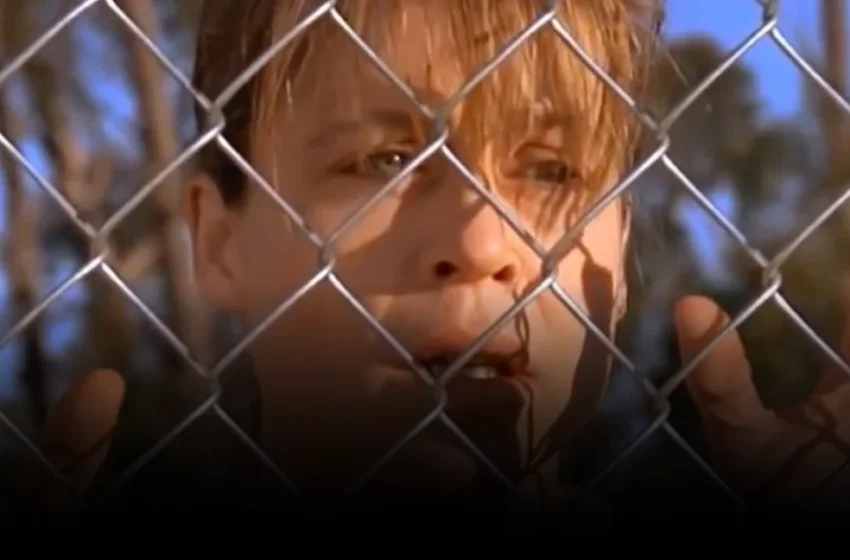
The Disappearing Library: When Digital Purchases Evaporate
A new line has been drawn in the sand, not by a regulator or a consumer rights group, but by Sony’s quiet decision to simply erase hundreds of “purchased” films from PlayStation libraries in the UK. This isn’t merely a licensing dispute between a platform and a content producer; it’s a stark, unambiguous declaration that for digital media, what you buy is never truly yours.
The notice delivered to UK PlayStation users is chillingly direct: 551 StudioCanal films, including popular titles like Paddington 2 and Terminator 2: Judgment Day, will vanish on September 1. These aren’t obscure indie releases or soon-to-be-forgotten B-movies. These are established, widely-watched cinematic works, previously available for individual purchase from the PlayStation Store.
The justification — “due to our content licensing agreements” — sounds technical, even mundane, as if it were a minor administrative hiccup. The implication, however, is profound. Consumers paid full price for these titles, not for a limited-time rental, nor for a subscription service that inherently carries an expiration date, but for what they understood as enduring, permanent access.
The Precedent and the Permanent Shift in Digital Rights
This isn’t the first time Sony has danced on the edge of this particular precipice. In 2023, the company threatened to pull 1,318 seasons of Discovery shows from customer libraries before a last-minute reversal, touting “updated licensing arrangements.” That earlier incident, while resolved, inadvertently created a false sense of security, implying these disappearing acts were mere administrative glitches or easily remediable errors.
With the StudioCanal situation, the message is clearer and far more unsettling: such reversals are not guaranteed. The underlying right to revoke access remains firmly with the platform and content licensor. This incident serves as a critical re-education for consumers, redefining the terms of engagement whether they like it or not.
The practice extends far beyond gaming platforms, touching nearly every corner of our digital lives. Amazon Kindle users have, on occasion, seen purchased books vanish, and digital music services frequently delist tracks or entire albums. Even software licenses, ostensibly “perpetual,” are regularly updated to remove features or revoke access under new terms. This pervasive pattern underscores how the myth of digital ownership persists, primarily because the language used in marketing—“buy,” “own,” “purchase”—deliberately mirrors that of physical goods.
The crucial distinction, which platforms rarely highlight, lies buried deep within the End User License Agreement (EULA). These agreements consistently define a “purchase” as nothing more than a revocable license, not a transfer of ownership. Marketing and storefront interfaces, by design, obfuscate this reality, leading consumers to believe they have acquired a permanent asset. The industry thrives on this calculated ambiguity, allowing it to reap the benefits of sales that feel like ownership to the consumer, while retaining the absolute power to claw back content without compensation or appeal.
Beyond Licensing Deals: The Long Game of Platform Control
The timing and the repeated nature of these incidents are rarely accidental. Each event, whether ultimately reversed or not, serves as continuous conditioning for the consumer base. Every time a platform successfully removes content—or even just threatens to—it reinforces the precarious nature of consumer digital rights and normalizes the idea that long-term access is a privilege, not a guarantee. This sets the stage for future service models that prioritize perpetual subscriptions over one-time purchases, ultimately consolidating platform control and intellectual property leverage.
Compare this to physical media. A DVD or a Blu-ray, once purchased, remains yours regardless of a studio’s bankruptcy, a platform’s changing terms, or the whims of content licensors. The digital realm offers undeniable convenience—instant access, no physical clutter, global availability—but it comes at the direct cost of genuine possession and lasting consumer agency.
This isn’t a debate about piracy; this is about paying full price and then subsequently losing access. It represents a fundamental challenge to consumer trust in digital ecosystems. What happens when an entire platform ceases to exist, or decides to de-list an entire publisher’s catalog for strategic reasons? The precedent set by Sony, even if the StudioCanal situation is later reversed, chips away at the foundational assumption of digital consumer protection.
The larger question for regulators and consumer advocates globally is clear: how long can this legal fiction of “digital ownership” persist before it’s directly challenged? Consumers are being systematically trained to accept that their digital libraries are, in reality, merely curated rental agreements, perpetually subject to the fluctuating whims of content licensing bodies and platform holders. This incident, minor as it may seem to some focused solely on the headlines, is a crucial, undeniable step in that re-education process, pushing us ever closer to a future where true ownership is an anachronism in the digital sphere.
