
Steam’s 12TB Leak Unearths More Than Games: A Warning for Digital Cultural Preservation
- Tech
Arjun Vedanta
- 0
- 4 minutes read
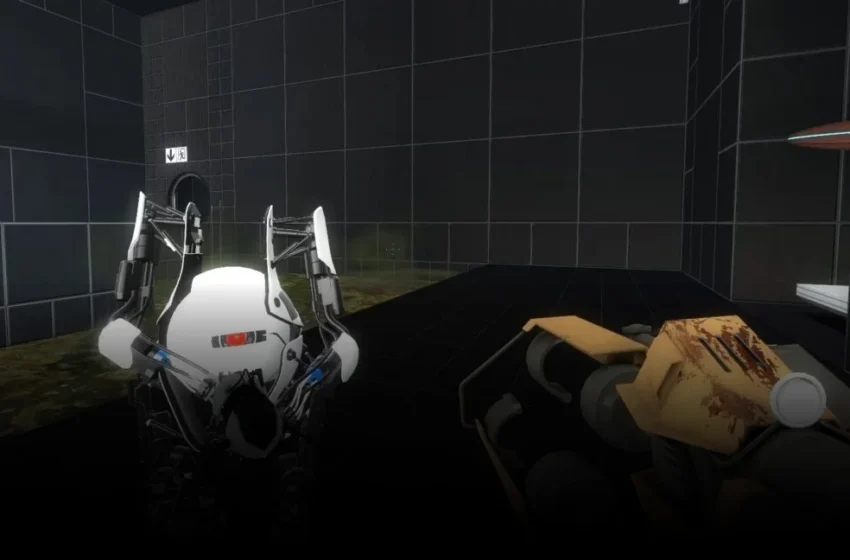
The Ghost in the Machine: Decades of Gaming Untethered
Twelve terabytes of data, spanning a decade of gaming history, did not just spill onto the internet; they evaporated from Valve’s control, reminding us how ephemeral our digital heritage truly is. This massive “teraleak” — a comprehensive content server dump from Steam’s defunct Steam2 architecture, active from 2003 to 2013 — now circulates on BitTorrent trackers, pulling back the curtain on thousands of “depots” that include everything from public builds to previously unseen pre-release prototypes.
For those of us tracking the industry outside the immediate Silicon Valley echo chamber, this isn’t just another security incident. It’s a stark revelation about the precarious state of digital artifacts when their existence relies solely on the whims and architectural decisions of private corporations. The very nature of this breach, specifically targeting a system decommissioned over a decade ago, raises uncomfortable questions about what truly constitutes a secure archive in the age of perpetual platform updates.
The Shifting Sands of Digital Distribution
The leak’s arbitrary cutoff in 2013 isn’t random; it’s a digital headstone marking the moment Valve transitioned from its proprietary Steam2 system to the more modern SteamPipe. That shift, from a bespoke file format to standard HTTP file trees, ostensibly streamlined updates, removing bottlenecks and allowing for differential patching. But the lingering shadow of Steam2, with its massive, largely undocumented trove of digital content, highlights a fundamental vulnerability: the persistence of legacy infrastructure, even when officially retired.
This isn’t just about old versions of Valve games or long-forgotten third-party titles. It’s about a period of intense innovation in PC gaming, a formative decade where the digital storefront began its ascent to dominance. What we’re seeing now is not merely a collection of assets; it’s an archaeological dig into the evolutionary stages of game development, revealing iterative changes and scrapped ideas that were never intended for public consumption. This archive, inadvertently released, becomes a de facto cultural record, albeit one stolen from its original custodians.
The incentive for platforms like Valve is clear: maintain tight control over an intellectual property archive that represents billions in potential re-releases and licensing, a position fundamentally at odds with the often-fragile nature of long-term digital preservation.
Beyond the Breach: The Imperative of Digital Sovereignty
For all the immediate panic and the predictable calls for tighter security, the real scandal isn’t merely the breach of Valve’s old servers, but the quiet, ongoing atrophy of countless creative works left solely to corporate custodianship. This teraleak forces us to confront the uncomfortable reality that much of our digital cultural heritage exists in a legal and technical limbo, reliant on the good graces and operational longevity of commercial entities. What happens when a platform shutters, or simply decides an old game isn’t worth hosting anymore? It vanishes, often forever.
Consider the adjacent technologies and evolving landscape: the rise of cloud gaming platforms, the increasing reliance on always-online DRM, and the subscription models that grant temporary access rather than true ownership. Each step further entrenches the platform’s sovereignty over the user’s library and, by extension, over the historical record of its own ecosystem. This 12TB dump of Steam2’s content is not just an exposure of past vulnerabilities; it’s a terrifyingly real-time example of how much is stored, unmanaged, on systems whose lifecycle was declared complete years ago.
The debate around digital rights management, software emulation, and the legal frameworks surrounding abandoned game development projects gains a potent new exhibit. This leak underscores the critical need for independent digital archives, perhaps akin to national libraries for software, that can legally and ethically preserve these works. Without such robust, non-commercial alternatives, every retired server, every sunsetted platform, becomes a potential black hole for cultural memory, waiting for its own ‘teraleak’ to either resurrect or permanently erase its contents.
