
The $2,000 E-Bike Breakthrough: Velotric and the Shifting Global Commuter Market
- Tech
Arjun Vedanta
- 0
- 5 minutes read
The Elusive Middle Ground of Electric Mobility
Two thousand dollars for an electric commuter bicycle that promises ‘no compromises’ isn’t just a product specification; it’s a quiet challenge to the entrenched economics of personal mobility. For years, the market for electric bicycles has largely mirrored a strange dichotomy: either hyper-premium models pushing five-figure price tags, packed with integrated tech and designer aesthetics, or budget options under $1,000 that demand significant trade-offs in component quality, battery life, or overall ride comfort. This bimodal distribution left a gaping chasm where the average, discerning urban commuter should have found their ideal ride.
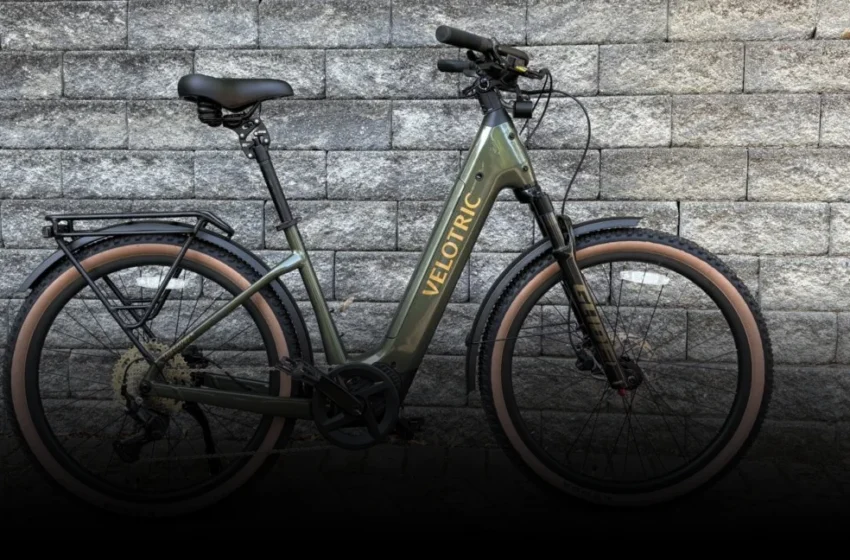
Reports of a single product, the Velotric Discover 3, effectively navigating this middle ground at just under $2,000, therefore warrant scrutiny far beyond the typical product review. It suggests a systemic shift in how the industry sources, manufactures, and distributes electric personal mobility solutions globally. The notion that the electric bicycle market, a segment purportedly democratizing urban transit, has largely mirrored luxury auto sales or budget airline models for so long is, frankly, embarrassing. This product, if its claims hold, doesn’t merely fill a gap; it exposes a structural flaw in market segmentation that has persisted for too long.
The Global Supply Chain’s Quiet Revolution
For more than a decade covering technology from Singapore to Geneva, I’ve observed the persistent disconnect between aspiration and accessibility in new tech categories. The Velotric Discover 3, described as comfortable with a great combination of components at its price point, signifies more than just clever engineering; it reflects a maturation in the global supply chain for electric vehicle components. Battery technology, motor manufacturing, and frame construction have evolved dramatically, driven by the massive scale of the automotive and scooter industries, reaching economies of scale previously unthinkable for smaller segments like e-bikes.
This isn’t merely about access to cheaper parts; it’s about integrated efficiency, robust logistics, and improved quality control. Companies with a global footprint, often headquartered in Asia or leveraging sophisticated supply networks there, can now spec high-quality brushless motors, durable frames, and long-lasting lithium-ion batteries without the exorbitant markups associated with smaller production runs or fragmented sourcing. This direct access to an increasingly robust component ecosystem allows brands to bypass traditional distribution channels and their associated costs, a move that directly benefits the consumer’s wallet by shaving off layers of intermediary expenses. This agility in the supply chain is critical, enabling brands to react to demand while maintaining cost efficiency.
Consider the incentive at play here: for manufacturers like Velotric, the goal is clear—capture the vast, untapped segment of commuters who demand reliability and comfort without breaking the bank or sacrificing quality. This strategy isn’t about securing premium margins on niche products; it’s about building long-term brand loyalty that can scale globally, tapping into the burgeoning demand for sustainable urban transit solutions across continents. It is a play for market share in a segment ripe for disruption, where value for money becomes the ultimate differentiator.
Reframing Urban Mobility’s Future, Beyond Silicon Valley
The implications of an affordable, high-quality commuter e-bike extend beyond individual purchase decisions; they reshape urban planning dialogues and the broader narrative of smart cities. Silicon Valley often frames innovation in terms of software platforms or autonomous vehicles, but the real-world impact of accessible electric personal mobility is felt daily in congested European capitals, sprawling Asian megacities, and increasingly in North American urban centers. When a practical alternative to car ownership or crowded public transport becomes genuinely attainable, city planners must adapt infrastructure, from charging stations and secure bike storage to dedicated bike lanes that prioritize two-wheeled traffic over four. This shift demands foresight and investment, signaling a broader societal move towards greener transit.
The market bifurcation—high-end, low-volume versus low-end, high-compromise—was never sustainable for a product category so essential to reducing carbon footprints and easing traffic congestion. The ‘just under $2,000’ price point for a genuinely effective e-bike like the Discover 3 places it within reach of millions, particularly in markets where public transport fares are rising and car ownership remains an aspirational, yet increasingly impractical, burden. This isn’t about a niche market; it’s about democratizing access to personal electric transport on a mass scale, pushing the technology from a luxury item to an everyday utility.
Ultimately, the story of the Velotric Discover 3 isn’t about one specific bike, but about the culmination of global manufacturing advancements, sophisticated supply chain management, and a deeper understanding of consumer needs outside the typical tech bubble. It signals a maturation of the electric personal mobility sector, moving from early adopter enthusiasm and luxury offerings to practical, mass-market utility. This is the kind of progress that genuinely transforms lives and cities, far removed from the incremental updates of the latest smartphone or the speculative hype of Web3. The real shift is happening on two wheels, quietly, on streets worldwide, driven by the quiet efficiencies of a globalized tech industry.
