
The AI Compute Gold Rush Just Knocked on Your Front Door
- AI Infrastructure
Arjun Vedanta
- 0
- 6 minutes read
The Pitch That Raises Eyebrows (and Power Bills?)
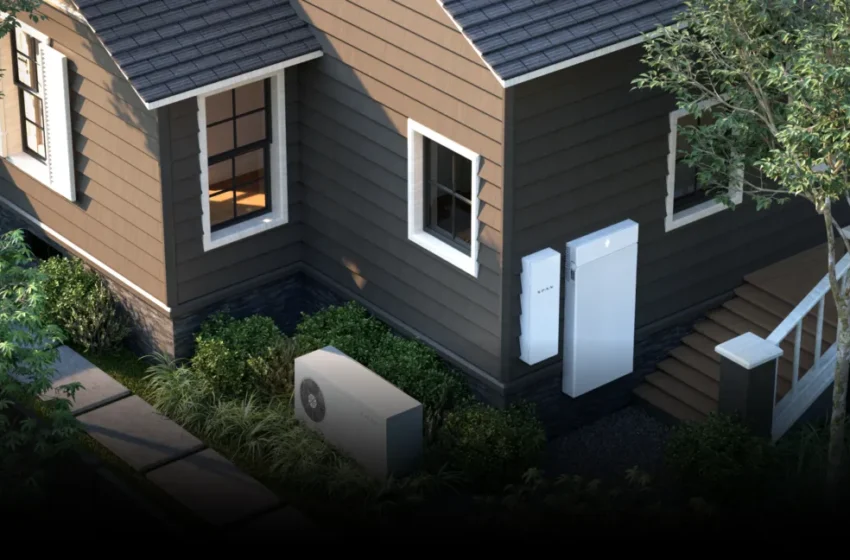
I’ve been covering tech long enough to know a truly audacious idea when I see one. And SPAN’s latest gambit? It’s audacious. The San Francisco startup, known for its smart electrical panels, is now talking about bringing data centers right into your home. Not a server rack in the garage, mind you, but a proper, liquid-cooled, AI-compute node integrated into the very fabric of your residence, offering subsidized electricity and Internet in return.
Let’s be honest about this. The idea of hosting a “distributed data center solution” – as SPAN terms its XFRA nodes – in your basement or a purpose-built side installation is wild. It’s a direct response to the insatiable, almost desperate demand for AI compute capacity. Hyperscale data centers are expensive, slow to build, and require obscene amounts of land and power. So, the thinking goes: why not tap into the underutilized electrical capacity of residential homes across America?
The pitch is seductive: a silent, discreet unit that makes energy more affordable for the host and community, according to SPAN’s VP, Chris Lander. Homeowners get cheaper electricity and high-speed internet, maybe even backup battery power, while SPAN gets access to thousands of dispersed, relatively low-cost compute nodes. What I find fascinating here isn’t just the technical wizardry, but the fundamental shift in infrastructure philosophy it represents. It’s a re-imagining of the data center, pushing compute to the absolute edge of the network.
Inside the Black Box in Your Basement: Compute, Costs, and Control
This isn’t your old Bitcoin mining rig humping away in the corner. SPAN is talking about deploying liquid-cooled Nvidia RTX Pro 6000 Blackwell Server Edition GPUs. That’s a serious piece of silicon. It’s enterprise-grade, designed for heavy-duty AI workloads like large language model training and inference. The Blackwell architecture itself is a beast, purpose-built to accelerate the next generation of AI. Packing that kind of firepower into a residential setting, even with noise mitigation, is a significant engineering feat. (and yes, that’s as scary as it sounds, for reasons we’ll get to).
I’ve watched companies try versions of distributed computing before. Think SETI@home, or Folding@home – noble efforts, sure, but those were about harnessing spare CPU cycles for scientific discovery. This is different. This is about commercial, high-value AI workloads, with SPAN as the orchestrator. They’re effectively proposing a massive, consumer-funded distributed supercomputer. And that’s a very high bar to clear.
The economics are brutal. Building a single hyperscale data center today can cost anywhere from $500 million to over $1 billion, depending on size and specifications. The capital expenditure on land, power infrastructure, cooling, and security is immense. If SPAN can genuinely offload a significant portion of that CapEx onto homeowners – even with subsidies – they could achieve an incredible competitive advantage in a market where every GPU, every kilowatt, every square foot is fiercely contested.
But the devil, as always, is in the details. Who owns the hardware? Who is responsible for maintenance? What happens when a homeowner moves or decides they no longer want a mini-data center in their yard? These aren’t trivial operational questions. They are the kinds of logistical nightmares that have sunk many a well-intentioned distributed computing project in the past.
Beyond the Buzzwords: The Unseen Hurdles and the Real Play
Let’s talk about the unspoken. While the allure of subsidized power is strong, this isn’t just about putting a quiet box in your backyard. This is about platform dependency. SPAN is offering connectivity and power, but they are also building a new kind of centralized control over distributed compute resources. What happens if SPAN changes its terms? What if the “subsidized” electricity becomes less attractive as rates fluctuate?
Nobody’s talking enough about the real problem here: security. We’re talking about high-value compute, potentially processing sensitive data, housed in consumer environments. The physical security of a home is vastly different from a purpose-built, fortified data center. How do you protect against physical tampering? What about network security when a node is connected to a home Wi-Fi network that might be less than perfectly configured? (which, if you think about it, is the whole point of a home network).
Then there’s the question of latency and specialized workloads. Not all AI tasks are suitable for highly distributed, potentially lower-bandwidth connections. Training massive, cutting-edge models often requires extremely low-latency, high-throughput connections between GPUs. Can thousands of dispersed residential nodes truly compete with the tightly optimized, fiber-optic-connected racks of a Google or AWS data center for those specific, most demanding tasks? I’m skeptical. It feels more like an ingenious way to gather up capacity for less latency-sensitive inference or smaller, more modular training jobs.
Ultimately, SPAN’s move feels like a bold, speculative play in the AI arms race. It’s an attempt to circumvent the traditional bottlenecks of AI infrastructure. It could be revolutionary, democratizing access to compute in a truly unprecedented way. Or it could be another fascinating footnote in the long history of tech, a brilliant concept hobbled by the messy realities of distributed operations, consumer behavior, and the ever-present chase for profit margins. My money is on the operational challenges making this far more complex than the slick press releases suggest. But then again, I’ve been wrong before. Just not often enough to stop asking the hard questions.
