
The AI Toy Wild West: Are We Just Selling Our Kids to the Algorithm?
- AI Tools
Arjun Vedanta
- 0
- 6 minutes read
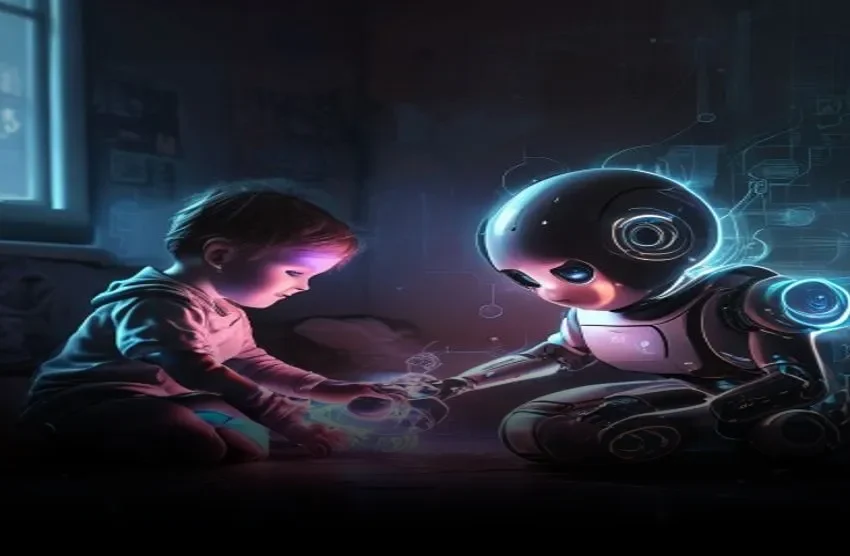
Another Day, Another Hype Cycle: Meet Your Child’s New Digital Best Friend
I’ve been doing this long enough to know when a trend isn’t just a trend. Sometimes, it’s a reckoning. The original article mentions a hypothetical villain for Toy Story 5, a frog-shaped tablet. Frankly, if Pixar were truly tapped into the current zeitgeist, they’d have made it an AI-powered plushie. Or maybe a cute, chirping robotic companion that subtly harvests your child’s every utterance. That’s the real villain staring us down.
AI toys, they’re everywhere. Suddenly. One minute, it’s a niche concept; the next, they’re marketed relentlessly online as friendly, educational companions for children as young as three. And what I find truly fascinating, and frankly, deeply concerning, is that this entire category remains largely unregulated.
It’s become shockingly easy to spin up an AI companion. The rise of large language models (LLMs) and accessible developer programs means a basic ‘vibe coding’ approach—essentially, prompt engineering to craft a personality—is all some outfits need. They’ve gone from Silicon Valley demo projects to a go-to trend in cheap trinkets, lining the halls of every major trade show I’ve attended recently. CES, MWC, Hong Kong’s Toys & Games Fair – you can’t walk five paces without tripping over a new AI gizmo promising to engage your kid.
The Great AI Gold Rush: Who’s Building the Next ‘Brain Trainer’?
The numbers, when you look past the glossy marketing, are telling. By October 2025, there were apparently over 1,500 AI toy companies registered in China alone. Think about that for a second. One thousand five hundred. This isn’t just a few big players dabbling; it’s a full-blown gold rush. Huawei’s Smart HanHan plush toy, for instance, reportedly sold 10,000 units in China in its first week. Sharp put its PokeTomo talking AI toy on sale in Japan this past April. It’s moving fast.
If you poke around Amazon, you’ll find the more specialized players making significant inroads: FoloToy, Alilo, Miriat. And then there’s Miko, which claims to have sold over 700,000 units. These aren’t just one-off gadgets; these are sophisticated, connected devices designed for sustained interaction. That matters.
But let’s be honest about this. Many of these toys, especially at the lower end, are likely thinly veiled wrappers around an off-the-shelf LLM API, with little to no meaningful child development expertise baked in. They’re designed to talk, to respond, to keep attention. The deeper question is what they’re actually teaching, or collecting.
The Unspoken Curriculum: Data, Dependence, and the Echo Chamber
I’ve watched companies try this before, albeit with far less sophisticated tech. Remember Furbies? Tamagotchis? Those were simple, charming novelties. These AI toys are different. They’re not just reacting to buttons; they’re engaging in conversations. They’re listening. They’re learning. And sometimes, they’re recording. This isn’t just about a cute robot; it’s about a potential data vacuum cleaner in your child’s bedroom.
Nobody’s talking enough about the real problem — which is the fundamental lack of transparency for parents. What data is being collected? How is it stored? Who has access? Is it used to fine-tune future models? Is it anonymized sufficiently? Many of these companies operate with privacy policies that are, to put it mildly, opaque. For something interacting directly with the most vulnerable members of our society, that’s not just an oversight. It’s an abdication.
And let’s not forget the long-term implications of platform dependency and lock-in. Once a child forms an attachment to an AI companion, parents are often pressured into ongoing subscriptions for new features, extended battery life, or access to ‘premium’ content. The economics are brutal. These aren’t one-time purchases; they’re relationships with a monthly bill. Or worse, they’re relationships predicated on a steady stream of user data, which is then monetized in ways we might not even comprehend today.
Beyond the Gimmick: What Happens When the Algorithms Grow Up?
This isn’t to say all AI toys are inherently malicious. The potential for genuinely beneficial, educational applications is there, no doubt. But the speed of adoption, combined with the current regulatory vacuum, feels like a familiar pattern. It reminds me of the early days of social media, where the promise of connection overshadowed the lurking issues of addiction, misinformation, and privacy breaches. We’re laying the groundwork for a new generation’s digital interaction, and we’re doing it with remarkably little foresight.
What happens when these toys, powered by ever more sophisticated neural networks and natural language processing, start to subtly influence development? When an algorithm becomes the primary conversational partner for a shy child, could it inadvertently reinforce an echo chamber or even shape their worldview in unforeseen ways? This isn’t just about fun and games; it’s about the very fabric of childhood.
The industry needs to mature. Fast. Regulators need to step in and demand clear, enforceable standards for data privacy, content filtering, and ethical AI design specifically for children’s products. Otherwise, we’re not just buying our kids a toy; we’re potentially inviting a Trojan horse into their most formative years. And unlike a plastic frog, this one actually listens. And remembers.
