
The Phantom Threat: How Biotech’s Ambiguity Fuels Costly Biosecurity Overreactions
- Artificial Intelligence
Arjun Vedanta
- 0
- 4 minutes read
The Illusion of Absolute Control
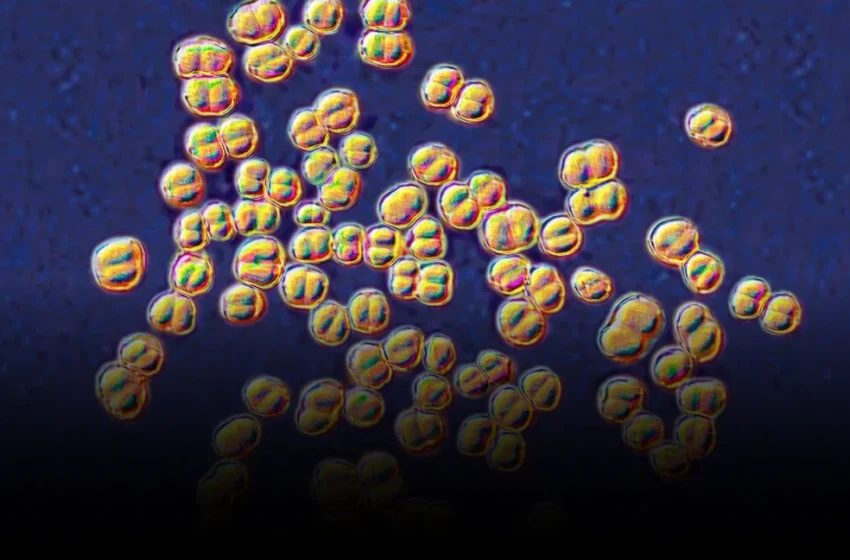
Thirty-two individuals, having endured lumbar punctures and a course of powerful antibiotics, discovered their ordeal was for a phantom threat – a deadly germ that never existed. This recent incident in a college microbiology lab, where a perceived pathogenic exposure led to significant medical intervention for a non-existent danger, is far more than a cautionary tale of lab protocols gone awry. It is a stark, almost prophetic, illustration of the systemic vulnerabilities that plague our global biosecurity frameworks, especially as advanced biotechnologies become more prevalent and accessible.
Silicon Valley’s narrative often champions the next breakthrough in gene sequencing, CRISPR editing, or AI-driven drug discovery, framing these advancements as solutions to humanity’s grand challenges. What consistently gets missed is the precarious tightrope walk required to integrate these tools into real-world, often messy, human systems. Labs, even those deemed secure, are not hermetically sealed environments of perfect information. They are crucibles where human error, the inherent ambiguities of biological data, and institutional anxieties converge. This particular scare, detailed in the Morbidity and Mortality Weekly Report, highlights a profound contradiction: our sophisticated tools for identifying biological agents exist alongside an enduring fragility in our capacity to accurately interpret and respond to the signals they produce.
The Steep Price of Prophylactic Panic
The immediate costs of this incident—unnecessary antibiotic regimens, invasive medical procedures for two individuals, and the untold mental toll of a perceived deadly exposure—are palpable. But these are merely symptoms of a deeper, more insidious trend in the broader biosecurity landscape: the escalating price of prophylactic panic. When the lines between a benign lab strain and a genuine bioweapon become blurred, or when diagnostic tools yield ambiguous results, the default response often tilts towards extreme caution, irrespective of actual risk.
This overreaction is not accidental; it’s incentivized. In a post-pandemic world, with the specter of novel pathogens and state-sponsored bio-warfare looming, institutions face immense pressure to demonstrate hyper-vigilance. The legal liabilities, the public relations nightmare of perceived negligence, and the availability of expansive, often lucrative, security solutions all contribute to a climate where an abundance of caution, however disproportionate, is the safest institutional play. This fuels a market for advanced pathogen detection systems and rapid-response pharmaceutical stockpiles, benefiting a range of actors from biotech firms to security contractors, even if the actual threats remain elusive or, as in this case, entirely imagined. The problem isn’t just about bad data; it’s about the entire ecosystem built around interpreting and reacting to that data, often with commercial or reputational stakes.
A Future Defined by Phantom Threats?
Consider the trajectory of technologies like synthetic biology. Tools that once required specialist expertise in heavily resourced university labs are now becoming accessible to hobbyists and smaller, less regulated entities. Desktop DNA synthesizers and open-source gene-editing protocols are rapidly democratizing the ability to manipulate biological organisms. While this democratisation promises unprecedented innovation, it also exponentially increases the potential for accidental releases, mislabeled cultures, or, more darkly, intentional misuse.
The dilemma intensifies when we factor in the burgeoning field of AI-driven bioinformatics and advanced diagnostics. These systems promise rapid identification and risk assessment, yet they are only as reliable as the data they are trained on and the human oversight they receive. A false positive generated by an AI in a critical national biosecurity context could trigger a cascade of economic disruption and social panic, far exceeding the localized lab incident. Conversely, a subtle, genuine threat might be dismissed as a benign anomaly.
This is where the Silicon Valley perspective, fixated on the ‘how-to’ of innovation, frequently falters. The broader implications—the ‘what-if’ of systemic failure in a globally interconnected world, the difficulty of distinguishing between incompetence and malevolence, or the economic and societal costs of over-preparedness for non-existent dangers—are often secondary concerns. The college lab incident, where 33 people believed they faced a deadly germ that wasn’t there, is not a quaint anomaly. It is a micro-cosm of a far larger, more complex challenge that will increasingly define the coming decades: how do societies navigate genuine biological innovation without succumbing to phantom threats amplified by our own technological prowess and inherent fears?
