
The Stark Paradox of Zoo-Born Orangutan ‘Baby Booms’
- Tech
Arjun Vedanta
- 0
- 5 minutes read
Beyond the Cheers: A Mirror of Our Ecological Failure
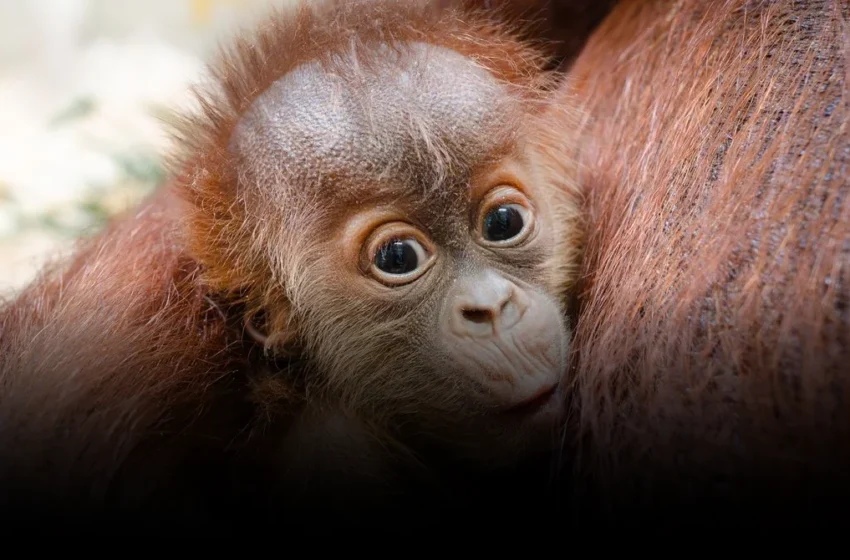
Eight new lives have arrived, heralded by human obstetricians and neonatal specialists, nurtured with human prenatal vitamins and intricate foster care protocols. Since early 2025, American zoos have celebrated a staggering eight orangutan births, a testament to the meticulous, decades-long work of the Orangutan Species Survival Plan (SSP). This ‘baby boom,’ as it’s been dubbed, is a technical triumph: a carefully orchestrated genetic ballet, balancing underrepresented lineages and behavioral dynamics, producing healthy newborns like Ruhana at the Memphis Zoo or Rambutan at the Denver Zoo.
But the heartwarming narrative of infant orangutans, complete with C-sections and maternal training for first-time mothers like Hesty, obscures a more profound, unsettling truth. The very notion that a species’ future hinges on such intensive human medical and technological intervention within the confines of a zoo enclosure is not a pure victory; it is a profound indictment of our global ecological stewardship.
Conservation as a Holding Pattern, Not a Solution
The SSP, coordinating breeding recommendations since 1985 for zoos accredited by the Association of Zoos and Aquariums (AZA), operates with scientific rigor. Geneticists pore over ‘studbooks,’ aiming for the lowest possible relation between breeding pairs to maintain a healthy and sustainable captive population. This is science at its best, leveraging human ingenuity to preserve genetic diversity against the clock. Felicity Oram, a conservation practitioner with OrangJUGA in Borneo, even quips that captive orangutans help their wild cousins “just by opening their mouths,” referencing her research on dental development to aid rescued individuals.
Yet, these zoo-born ‘ambassadors’ will never know the dense rainforests of Borneo or Sumatra that define their heritage. While their presence raises awareness and research conducted in captivity informs care in rehabilitation centers, this elaborate safety net is fundamentally a holding pattern. It’s a testament to our capacity for care when the wild has already been decimated, a reactive measure against a collapse that continues unabated.
The current framing of these births, promoted by institutions benefiting from public engagement and funding, skillfully shifts focus to localized successes. This narrative, while inspiring on the surface, implicitly downplays the systemic failures that necessitated such extreme measures in the first place, allowing the drivers of extinction to recede into the background of public consciousness.
The Unseen Cost of Consumerism and a Diminishing Horizon
The critical danger for Bornean, Sumatran, and the alarmingly few Tapanuli orangutans—estimated at around 100,000, 11,000, and just over 700 individuals respectively—is habitat destruction. Their native rainforests are being clear-cut at an unprecedented rate, predominantly for palm oil plantations catering to global consumption. This industrial-scale deforestation, coupled with a ruthless black market trade that kidnaps infants after killing their mothers, paints a bleak picture.
Experts warn that orangutans could disappear from the wild within 50 years, with some predicting as soon as 10 to 20 years. This precipitous decline is a direct consequence of global supply chains and consumer demand. While Angie Selzer, the SSP program coordinator, expresses a “very good, happy outcome” from these births, the joy rings hollow against the backdrop of an evaporating natural world.
The uncomfortable truth is this: no matter how many orangutan babies are delivered by C-section, no matter how much human DNA they share with us (over 90 percent), and no matter how dedicated zookeepers like Matthew Lenyo at the Denver Zoo are in fostering maternal behaviors or Hannah Comstock at the Hogle Zoo is in finding foster mothers like Acara for neglected infants, it doesn’t solve the core problem. The problem isn’t a lack of breeding options in zoos; it’s a lack of habitat in the wild. The technological marvel of zoo breeding programs effectively sanitizes the brutal reality of their natural world being consumed for household products and snack foods.
This is where the Silicon Valley perspective, so focused on solving technical problems, often misses the forest for the trees – quite literally. We laud the innovation in reproductive biology and animal husbandry, yet largely ignore the underlying economic and political forces driving extinction. The global tech supply chain itself, demanding vast resources, contributes to these planetary pressures, connecting our devices to deforestation in ways we rarely acknowledge.
These zoo-born orangutans serve as poignant reminders: they are symbols not just of hope, but of a profound moral debt that human civilization continues to accrue. Their survival in captivity highlights our technical prowess, but also our collective failure to manage the planet they once roamed free.
