
Third US Bird Flu Death Demands Urgent Tech Overhaul for Agricultural Biosecurity
- Government & Policy
Arjun Vedanta
- 0
- 9 minutes read
The Alarming Spread and Economic Stakes for US Agriculture
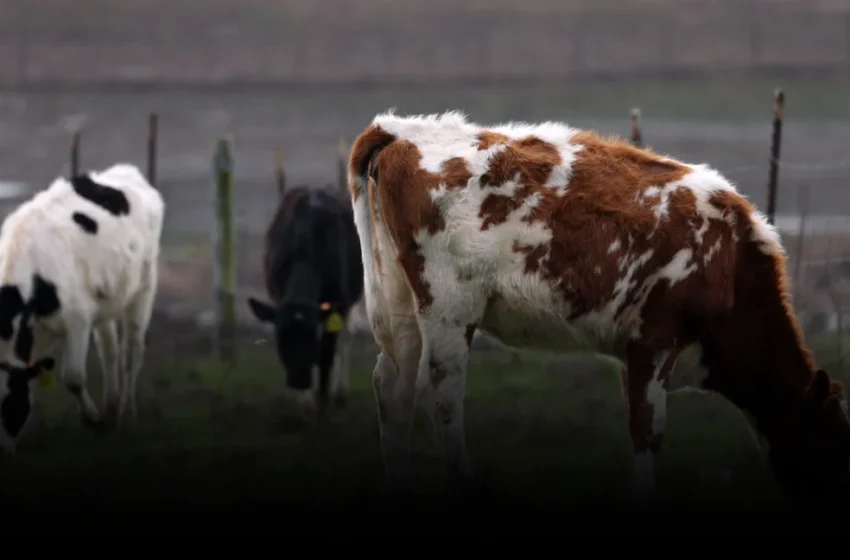
The recent bird flu fatality in Washington state, marking the third human death linked to the H5N1 strain jumping to US dairy herds since March 2024, forcefully underscores the escalating urgency for robust technological investment in agricultural biosecurity and public health infrastructure. This tragic event highlights critical gaps in the nation’s defense against zoonotic spillover, demanding innovative solutions to protect both human health and the vital agricultural sector.
The death of a Yakima County resident, who had underlying health conditions and was exposed at an infected dairy farm, elevates concerns beyond individual tragedy to systemic vulnerabilities. While local health officials, including Dave Atteberry of the Yakima Health District, emphasize that the risk to the general public remains low, the repeated human infections signal a dangerous pathogen adaptation that could threaten the US food supply and public health on a larger scale. For American tech professionals and policymakers, this isn’t just a public health issue; it’s a profound challenge for data science, biotechnology, and automation to fortify the nation’s critical agricultural sector against emerging threats.
The highly pathogenic avian influenza (HPAI) H5N1 strain has posed an unprecedented challenge, moving from wild birds to commercial dairy cattle in the United States, a phenomenon first reported in March 2024. This jump has affected numerous dairy farms across several states, leading to infected herds and concerns about milk supply safety, despite federal assurances that pasteurization inactivates the virus. The US dairy industry, a significant contributor to the nation’s economy with an annual output exceeding $47 billion, supports millions of cows across thousands of farms. An uncontrolled spread of H5N1 could devastate this industry, leading to massive financial losses, potential trade disruptions, and increased food prices for American consumers.
Beyond dairy, there is a constant apprehension that the virus could adapt further and infect other livestock, such as beef cattle, pigs, or poultry, which would have catastrophic consequences for broader agricultural sectors. The financial stakes extend to the significant costs associated with culling affected animals, quarantining farms, and implementing extensive biosecurity measures, all of which ultimately impact farmers’ livelihoods and the stability of the food supply chain. Effectively tracking and containing the virus requires a coordinated, data-driven approach that current systems often lack.
Bridging Biosecurity Gaps with Agricultural Biosecurity Technology
Current agricultural biosecurity protocols, while foundational, often rely on manual inspections, symptomatic observation, and delayed laboratory testing. This traditional approach is proving insufficient against a rapidly evolving and geographically dispersed threat like H5N1. The urgent need is for a systemic upgrade, integrating advanced technology to enhance detection, surveillance, and containment.
The path forward involves deploying a suite of cutting-edge technologies that can offer real-time insights and proactive defense mechanisms. This includes:
- Rapid Diagnostics: Beyond traditional PCR, innovations like CRISPR-based diagnostics (e.g., Mammoth Biosciences’ DETECTR platform) or next-generation antigen tests offer quicker, on-site results. This allows farm managers to identify infected animals within hours, not days, enabling immediate isolation and preventing wider herd exposure.
- Genomic Surveillance: Real-time viral sequencing, similar to efforts by the Centers for Disease Control and Prevention (CDC) for human pathogens, needs to be scaled up for agricultural settings. The U.S. Department of Agriculture (USDA) can leverage platforms that rapidly sequence viral samples, track mutations, and identify potential human adaptation, providing early warnings for vaccine development or public health interventions.
- AI and Machine Learning: Artificial intelligence algorithms can analyze vast datasets, including farm sensor data, weather patterns, wild bird migration routes, and historical outbreak information, to predict high-risk areas and potential spillover events. Companies like BenevolentAI, although primarily focused on drug discovery, demonstrate the power of AI in understanding disease mechanisms, which could be adapted for epidemiological forecasting in livestock.
- IoT and Automation: Internet of Things (IoT) sensors can monitor animal health indicators (temperature, activity levels) continuously, flagging anomalies suggestive of infection. Automated systems for cleaning, feeding, and even milking can reduce human-animal contact, minimizing vectors for viral transmission. Robotics can perform routine tasks in hazardous environments, protecting farm workers.
- Advanced Vaccine Technology: The rapid development of mRNA vaccines during the COVID-19 pandemic showcases the potential for swift vaccine deployment. Investment in mRNA or subunit vaccine research specifically for H5N1 in livestock could offer broad protection, similar to what Moderna and Pfizer have achieved for human diseases. This could eventually extend to a pre-exposure prophylactic for farm workers.
These technologies are not isolated solutions but interconnected components of a modern biosecurity framework. Their effective deployment requires significant investment and coordination across public and private sectors.
Comparative Biosecurity Measures
| Aspect | Traditional Approach | Tech-Enhanced Approach |
|---|---|---|
| Detection | Visual inspection, delayed lab tests (days) | Rapid PCR/CRISPR, continuous IoT sensors (hours) |
| Surveillance | Manual reporting, limited geographical data | Genomic sequencing, AI predictive modeling, GIS mapping |
| Containment | Culling, manual cleaning, quarantine based on symptoms | Automated disinfection, robotic isolation, early asymptomatic detection |
| Prevention | Strict manual biosecurity protocols for personnel | Animal vaccines, smart PPE, reduced human-animal contact via automation |
Policy and Investment: Securing the Nation’s Food and Health Future
The imperative for technological transformation in agricultural biosecurity cannot be overstated. The US government, through agencies like the USDA, CDC, and the Food and Drug Administration (FDA), plays a pivotal role in accelerating the adoption and integration of these advanced tools. This requires not only funding for research and development but also incentives for farmers to invest in costly upgrades, potentially through grants, tax credits, or subsidized pilot programs.
Public-private partnerships are essential. Tech companies, biotech firms, and agricultural producers must collaborate to develop scalable, practical solutions tailored to the diverse needs of American farms, from vast industrial operations to smaller family-owned businesses. Furthermore, robust digital infrastructure, including expanded broadband access in rural farming communities, is critical for supporting IoT sensors, real-time data transmission, and cloud-based AI analytics platforms.
Policy frameworks must adapt to these new realities. Streamlined regulatory approval for novel diagnostic tools and animal vaccines, along with clear guidelines for data sharing and privacy, will facilitate faster deployment. The lessons learned from the COVID-19 pandemic about rapid scientific response and coordinated public health efforts must be applied rigorously to protect the nation’s food security and prevent future zoonotic pandemics. Investing now in a technologically advanced agricultural biosecurity system is not merely a cost; it is a critical national security investment, safeguarding both the American economy and the health of its citizens.
Key Takeaways
- The third human H5N1 bird flu death since March 2024 highlights critical vulnerabilities in US agricultural biosecurity.
- Current manual surveillance and diagnostic methods are insufficient against rapidly evolving zoonotic threats.
- Advanced technologies like rapid diagnostics, genomic surveillance, AI, and farm automation are crucial for prevention, detection, and containment.
- Substantial government investment and public-private partnerships are needed to integrate these technologies across the US agricultural sector.
- Protecting the US dairy industry, an over $47 billion sector, and broader livestock from H5N1 requires a proactive, tech-driven national strategy.
How serious is the risk of H5N1 bird flu to the average American?
While the overall risk to the general public remains low, according to health officials, the recurring human infections from dairy farm exposure underscore the potential for the virus to adapt. The primary concern is for individuals with direct, prolonged contact with infected animals, such as farm workers.
What is being done to prevent bird flu from spreading further in US livestock?
US agencies like the USDA are implementing surveillance programs, issuing biosecurity guidance, and working with states to manage outbreaks. Efforts include testing affected herds, culling infected poultry flocks, and encouraging dairy farms to enhance their biosecurity practices, though these measures are largely traditional.
What role can technology play in containing future zoonotic outbreaks?
Technology offers critical tools such as rapid, on-site diagnostic tests, real-time genomic sequencing for viral mutation tracking, AI-powered predictive analytics for outbreak forecasting, and IoT sensors for continuous animal health monitoring. These innovations can provide early warnings and enable quicker, more targeted interventions.
Why is this considered a tech issue for TechTicle readers?
This situation presents a significant challenge for technological innovation in public health, agriculture, and data science. It demands solutions involving advanced biotech, AI, automation, and digital infrastructure, impacting everything from food safety and supply chain resilience to national biosecurity, making it highly relevant to the tech industry.
