
ULA Vulcan’s Critical Return to Flight: Rebuilding Trust and Securing US Space Access
- Space
Arjun Vedanta
- 0
- 10 minutes read
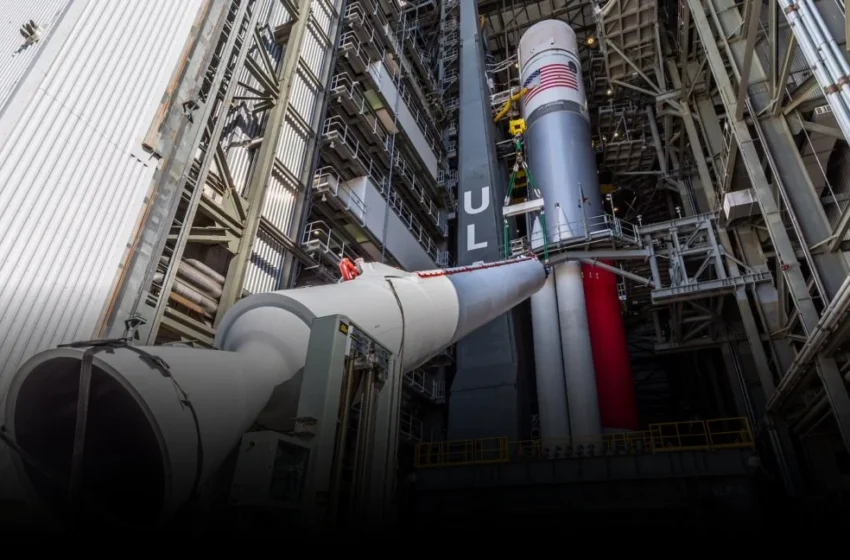
United Launch Alliance’s (ULA) Vulcan Centaur rocket is poised for a pivotal return to service on November 13, launching 40 satellites for Amazon’s Project Kuiper broadband constellation. This mission is critical not only for ULA to validate its engineering fixes after recent solid rocket booster anomalies, but also to regain the trust of key customers like the US Space Force, securing its vital role in the competitive US space launch landscape.
The successful deployment of these Amazon satellites from Cape Canaveral Space Force Station, Florida, represents far more than just another commercial launch. It is a defining moment for ULA, a joint venture of aerospace giants Lockheed Martin and Boeing, whose next-generation heavy-lift rocket is designed to replace its venerable Atlas V and Delta IV vehicles. After suffering nozzle failures on two of its first four missions—most recently in February—the Vulcan program saw its 2026 launch schedule thrown “into oblivion,” with the US Space Force reportedly losing confidence. This flight is a direct response, aimed at unequivocally demonstrating the Vulcan’s reliability and operational readiness to an American audience deeply invested in robust, assured access to space.
Why Vulcan’s Reliability is Paramount for US Space Strategy
For decades, ULA has been a cornerstone of American national security space launches, lofting crucial military and intelligence payloads. The Vulcan Centaur was developed to continue this legacy while offering more competitive pricing and enhanced capabilities compared to its predecessors. However, the early issues with its solid rocket boosters (SRBs) have cast a shadow, raising concerns within the US Space Force, ULA’s primary government client.
The nozzle failures, while ultimately not preventing mission completion in the previous instances, signaled an unacceptable risk profile for the sensitive and immensely valuable payloads typically entrusted to ULA. Reliability is paramount in the space industry, especially for government payloads, and any anomaly can erode customer trust and alter launch schedules significantly. This November 13 launch is ULA’s opportunity to prove that it has meticulously addressed the root causes of these failures, restoring faith in the vehicle’s design and manufacturing processes. A flawless flight is essential for ULA to maintain its position as a go-to provider for critical US government missions, ensuring diversified and assured access to orbit.
The Amazon Kuiper Connection: A Dual-Purpose Mission
The upcoming launch carries 40 satellites for the Amazon Leo broadband constellation, marking the first of 38 Vulcan flights Amazon has booked to deploy the bulk of its Project Kuiper network. This substantial contract underscores the critical commercial significance of Vulcan’s success.
- For Amazon: This mission is a vital step in deploying Project Kuiper, Amazon’s ambitious low Earth orbit (LEO) satellite constellation designed to provide global broadband internet access. Kuiper aims to directly compete with existing services like SpaceX’s Starlink, and consistent launch access is paramount to its deployment timeline and market viability.
- For ULA: The Amazon contract is a monumental commercial lifeline. It provides a stable revenue stream and a high launch cadence, which is crucial for optimizing manufacturing, supply chains, and launch operations. Proving Vulcan’s reliability on a major commercial venture helps to de-risk its perception for future government and private sector clients.
This symbiotic relationship means that ULA’s ability to deliver reliable launches directly impacts Amazon’s strategic objectives in the burgeoning satellite internet market, a sector with immense implications for US connectivity and technological leadership.
ULA vs. SpaceX: The Shifting Sands of US Launch Dominance
The backdrop to Vulcan’s return to flight is an intensely competitive US space launch market, largely defined by the rise of SpaceX. While ULA historically dominated government contracts, SpaceX’s reusable Falcon 9 and upcoming Starship platforms have introduced unprecedented cost efficiencies and launch cadences, challenging ULA’s traditional business model. The Vulcan Centaur was designed, in part, to meet this new competitive landscape head-on.
A successful, on-schedule return to flight is not just about technical validation; it’s about market positioning. ULA needs to demonstrate that it can offer a reliable, cost-effective alternative to SpaceX for both government and commercial customers. This competition ultimately benefits the US, fostering innovation, driving down costs, and ensuring a resilient domestic launch industrial base.
| Feature | ULA Vulcan Centaur (Projected) | SpaceX Falcon 9 (Established) |
|---|---|---|
| Payload to LEO (Approx.) | 33,000 lbs (15,000 kg) | 50,000 lbs (22,800 kg) (expendable) |
| Reusability | Partial (BE-4 engines future reusability) | Partial (first stage & fairings) |
| Launch Cadence | Building (first flight in Jan 2024, aiming for more) | High (dozens per year) |
| Reliability (Success Rate) | Early issues on first four flights | High (over 98% success rate) |
| Primary Market Focus | US National Security, Commercial | Commercial, US Government, Starlink |
The table above illustrates the landscape. While Falcon 9 has a proven track record and high cadence, Vulcan aims to offer competitive capabilities, particularly for certain national security payloads requiring specific launch profiles or redundancy. Its success is crucial for maintaining a healthy duopoly in heavy-lift launches for the US government.
What Does a Successful Flight Mean for US Consumers and Businesses?
The success of ULA’s Vulcan launch has tangible benefits that extend beyond the aerospace industry to impact everyday Americans:
- Enhanced Global Connectivity: The deployment of Amazon’s Kuiper satellites contributes to a more robust global broadband infrastructure, potentially bringing internet access to underserved areas in the US and abroad. More competition in this space can also lead to better services and pricing for consumers.
- Lower Launch Costs: Increased competition between ULA and SpaceX drives efficiencies and cost reductions across the launch industry. These savings can trickle down, making space access more affordable for businesses developing new satellite services, scientific research, and more.
- Resilient National Security: A reliable Vulcan rocket ensures the US Space Force has multiple proven options for launching critical national security assets, reducing reliance on a single provider and bolstering strategic independence in space. This directly supports US defense and intelligence capabilities.
- Innovation and Job Growth: A thriving US space launch sector supports high-tech jobs, encourages innovation in aerospace engineering, and solidifies America’s leadership in space exploration and commerce.
In essence, a triumphant return to flight for Vulcan is not just a win for ULA, but a critical step in maintaining a robust and competitive US space launch industrial base, fostering innovation and ensuring vital access to orbit for national and commercial interests.
Key Takeaways
- ULA’s Vulcan Centaur faces a high-stakes return to flight on November 13, crucial for rebuilding confidence after prior solid rocket booster anomalies.
- The mission, deploying 40 satellites for Amazon’s Project Kuiper, is vital for both ULA’s commercial viability and Amazon’s competitive broadband strategy.
- Success is paramount for ULA to regain the trust of the US Space Force and maintain its role as a key provider for national security launches.
- A reliable Vulcan ensures continued competition in the US launch market, ultimately benefiting consumers and businesses through innovation and diversified space access.
What is the Vulcan Centaur rocket?
The Vulcan Centaur is United Launch Alliance’s (ULA) next-generation heavy-lift launch vehicle, designed to replace its venerable Atlas V and Delta IV rockets. It is intended to launch both commercial payloads and critical national security missions for the US government, offering enhanced performance and competitive pricing.
Why is this return to flight important for ULA?
This return to flight is critical for ULA because it must unequivocally demonstrate the Vulcan’s reliability after experiencing nozzle failures on two previous missions. Success is essential to regain the confidence of the US Space Force, secure future government contracts, and prove its capabilities to commercial clients like Amazon.
How does ULA’s Vulcan compare to SpaceX’s Falcon 9?
ULA’s Vulcan Centaur is a heavy-lift rocket with similar payload capabilities to the Falcon 9, though Falcon 9 has a longer operational history and higher launch cadence. While Falcon 9 features first-stage reusability, Vulcan is designed for competitive pricing and aims to offer comparable performance for a range of missions, including those with specific national security requirements.
What is Project Kuiper?
Project Kuiper is Amazon’s ambitious initiative to deploy a large constellation of low Earth orbit (LEO) satellites to provide global, high-speed broadband internet access. It is designed to compete directly with other satellite internet services like SpaceX’s Starlink, aiming to connect underserved communities worldwide.
