
US Consumers Face Higher Prices, Slower Upgrades as AI Memory Shortage Deepens Through 2028
- Hardware
Arjun Vedanta
- 0
- 9 minutes read
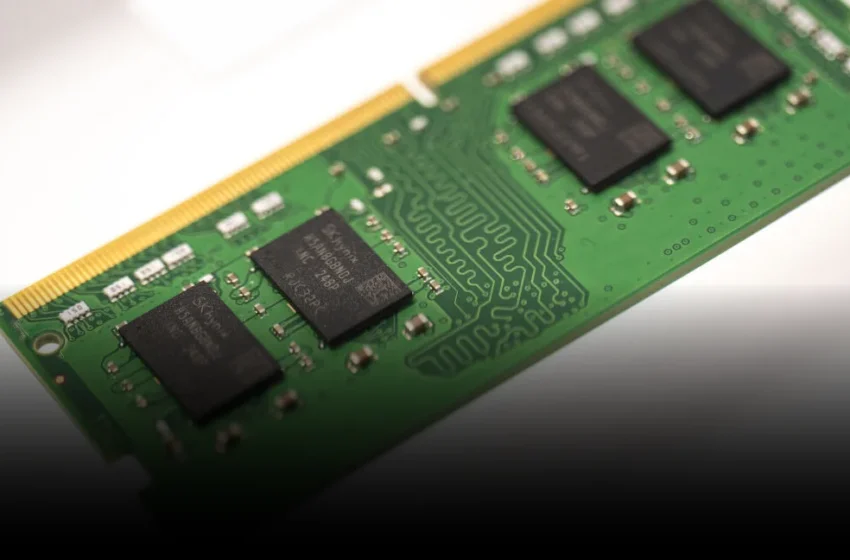
US Consumers Face Higher Prices, Slower Upgrades as AI Memory Shortage Deepens Through 2028
The global semiconductor industry is bracing for a prolonged RAM shortage, with executives from memory giants Micron and Samsung predicting the scarcity will persist through at least 2028. This long-term constraint, driven by an insatiable demand for high-bandwidth memory (HBM) for artificial intelligence (AI) and server infrastructure, is set to tighten the screws on US consumer electronics, translating into higher prices and potentially slower technological upgrades for everyday devices.
Micron CEO Sanjay Mehrotra recently informed investors that demand for his company’s memory products is expected to outstrip available supply for several years. While Micron has shifted its focus away from direct consumer RAM sales, instead prioritizing business-to-business transactions for HBM and server DRAM, this strategic pivot by a major manufacturer has profound implications for the broader memory market. The fundamental issue is that limited manufacturing capacity is being heavily skewed towards the lucrative and rapidly growing AI and server segments, leaving fewer resources for the memory crucial to smartphones, PCs, and other consumer gadgets sold in the United States.
Why is AI Causing a RAM Shortage?
The burgeoning field of artificial intelligence, particularly the training and deployment of large language models (LLMs) and complex neural networks, demands unprecedented amounts of high-speed memory. Traditional DRAM, while essential for general computing, often struggles to keep pace with the massive parallel processing requirements of modern AI accelerators.
This is where High-Bandwidth Memory (HBM) steps in. HBM is a specialized type of RAM that offers significantly higher bandwidth and lower power consumption per bit compared to standard DRAM, achieved through a unique 3D stacking architecture. This makes it ideal for feeding data to high-performance graphics processing units (GPUs) and AI chips from companies like Nvidia and AMD, which are at the heart of today’s AI infrastructure.
| Feature | Standard DRAM | High-Bandwidth Memory (HBM) | |
|---|---|---|---|
| Primary Use | General computing (PCs, phones, servers) | AI accelerators, high-performance computing, GPUs | |
| Bandwidth | Good (e.g., DDR5) | Extremely High (multiple memory channels stacked) | |
| Power Consumption | Moderate | Lower per bit (due to short interconnects) | |
| Footprint | Larger (horizontal chips) | Smaller (3D stacked, integrated directly on interposer) | |
| Complexity | Standard manufacturing | High (requires advanced packaging, interposer technology) | |
| Cost | Lower per GB | Significantly Higher per GB |
As companies race to build and expand their AI capabilities, the demand for HBM and high-end server DRAM is skyrocketing. This massive demand surge creates a bottleneck, as the specialized manufacturing processes required for HBM are complex and capacity is not easily scaled up overnight. Semiconductor fabs, or fabrication plants, represent enormous capital investments and take years to build and bring online. Consequently, existing capacity is being reallocated, impacting the availability of other memory types.
How Will the RAM Shortage Affect US Consumers?
For American consumers, the implications of this memory crunch are multi-faceted and largely negative. Even if a company like Micron isn’t directly selling consumer RAM, their prioritization of AI memory means that other memory manufacturers must either follow suit to capture AI revenue or find their manufacturing capacity constrained by global market forces. This ultimately reduces the overall supply of memory destined for consumer devices.
- Higher Device Prices: Manufacturers of smartphones, laptops, and other gadgets will face increased costs for the DRAM they need. These elevated costs are almost certain to be passed on to consumers, leading to more expensive electronics across the board.
- Slower Hardware Upgrades: The adoption of next-generation memory standards in consumer devices could be delayed. Companies might stick with older, cheaper, and more readily available memory for longer, or new devices might launch with less RAM than expected for their price point.
- Reduced Device Availability: In some cases, the scarcity of specific memory types could lead to production bottlenecks, resulting in fewer units of popular devices being available on store shelves, particularly during peak buying seasons.
- Innovation Trade-offs: Device makers may need to prioritize memory efficiency in their software and hardware designs, potentially impacting performance or feature sets if they cannot secure sufficient high-spec RAM.
For instance, a new smartphone that might typically launch with 12GB or 16GB of RAM could instead come with 8GB or 12GB to manage costs and supply. Laptops might see higher prices for memory upgrades, and the availability of premium gaming PCs could fluctuate based on memory component supply.
What Strategies Could Mitigate Consumer Impact?
Facing a multi-year memory shortage, US technology companies will need to innovate around these constraints. Software optimization will become even more critical, with operating systems and applications designed to consume less RAM or manage it more efficiently. Developers might focus on cloud-centric AI solutions that offload intensive memory tasks to remote servers, rather than requiring robust on-device memory.
Furthermore, chip designers may explore alternative memory technologies or architectures that are less dependent on the high-demand HBM pipeline. However, such shifts typically require significant research and development and may not offer a rapid solution. For the near term, the industry will have to contend with the stark reality of prioritizing the strategic needs of AI over the traditional demands of the consumer market.
This situation underscores a broader trend within the semiconductor industry: the increasing specialization and strategic importance of memory as a core component of the AI revolution. While beneficial for the progress of AI, it creates a palpable tension with the traditional consumer electronics market that has long benefited from abundant and relatively inexpensive memory.
Key Takeaways
- Memory executives from Micron and Samsung forecast a RAM shortage through at least 2028, driven by AI demand.
- High-Bandwidth Memory (HBM) and server DRAM are being prioritized due to AI’s intense computational needs.
- This prioritization will likely lead to higher prices and potentially slower technological upgrades for US consumer electronics.
- Device manufacturers will need to focus on software optimization and memory efficiency to mitigate impacts.
- The shortage reflects a significant shift in semiconductor manufacturing priorities towards AI infrastructure.
Frequently Asked Questions About the RAM Shortage
What is High-Bandwidth Memory (HBM)?
High-Bandwidth Memory (HBM) is a type of RAM that uses a 3D stacking architecture to achieve significantly higher data transfer speeds and lower power consumption compared to traditional DRAM. It’s primarily used in high-performance computing, such as AI accelerators and GPUs, where massive amounts of data need to be processed quickly.
How will this shortage affect the price of a new smartphone in the US?
The prolonged RAM shortage is expected to increase the cost of memory components for smartphone manufacturers. These elevated costs will likely be passed on to US consumers, potentially leading to higher retail prices for new smartphones or slower adoption of devices with larger amounts of RAM.
Is this just a short-term problem, or will it last for years?
According to executives from major memory producers like Micron and Samsung, this is not a short-term issue. They anticipate the demand for AI and server memory to exceed supply for at least the next few years, projecting the shortage to continue through 2028 due to the sustained growth of artificial intelligence technologies.
What can consumers do about the rising cost of electronics due to the RAM shortage?
Consumers can consider purchasing devices with sufficient, but not excessive, RAM for their needs, as higher RAM configurations may see the steepest price increases. Additionally, looking for sales or considering slightly older models that might offer better value could be a strategy to navigate the market during this period of constrained supply and rising costs.
