
US Nabs CEO in $300M Nvidia Chip Smuggling Ring to China, Exposing Control Gaps
- Government & Policy
Arjun Vedanta
- 0
- 9 minutes read
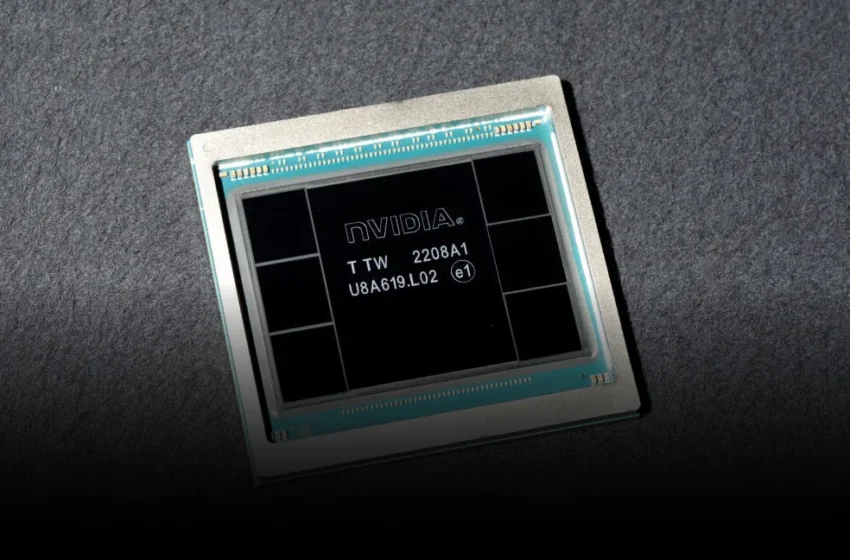
The arrest of Greg Lui, CEO of Earthmade Computer, for allegedly smuggling over $300 million worth of export-controlled Nvidia A100 and H100 GPUs to China, directly underscores the persistent, high-stakes challenge the US faces in enforcing its critical AI chip export controls. This incident highlights sophisticated circumvention tactics threatening American national security and its technological lead, as Beijing relentlessly pursues advanced AI capabilities crucial for both economic and military superiority.
This case isn’t merely about a single individual; it’s a stark illustration of the ongoing geopolitical cat-and-mouse game between Washington D.C. and Beijing over the future of artificial intelligence. For American tech professionals and enthusiasts, it signals the intense efforts by foreign adversaries to bypass US restrictions, impacting the integrity of our supply chains, the competitive landscape for US companies like Nvidia, and ultimately, the trajectory of global AI development and national defense strategies. These chips, while not Nvidia’s absolute latest, are foundational to modern AI training, making their illicit diversion a significant concern for US policy makers.
The Anatomy of a Sophisticated Smuggling Operation
According to a press release from the Department of Justice on Thursday, 38-year-old Greg Lui, as the CEO of Earthmade Computer, stands accused of orchestrating a complex scheme to funnel high-performance computing servers containing Nvidia A100 and H100 GPUs into China. The DoJ alleges Lui used false paperwork to mask the true destination of shipments valued at more than $300 million, knowing they were ultimately bound for restricted entities in China.
The FBI’s indictment details how Lui allegedly conspired with various freight-forwarding firms located in South Asian countries, specifically naming Malaysia and Singapore, to illegally divert these critical chip shipments. This multi-layered approach involving international intermediaries highlights the intricate lengths illicit networks will go to bypass direct export controls, making enforcement increasingly complex for US agencies.
The chips in question, Nvidia’s A100 and H100 GPUs, are not the absolute cutting edge of Nvidia’s current commercial offerings, but they remain indispensable for training large language models and other advanced AI applications. Their strategic value lies in their immense parallel processing capabilities, making them highly sought after for developing sophisticated AI systems, regardless of whether they are the very newest generation.
Why These Nvidia Chips Spark US National Security Concerns
The US government’s restrictions on exporting advanced AI chips to China are rooted deeply in national security objectives. The Department of Justice and other agencies are keenly aware that chips like the Nvidia A100 and H100 GPUs are the fundamental building blocks for sophisticated artificial intelligence systems, which have significant dual-use potential—meaning they can serve both civilian and military purposes.
These powerful accelerators are essential for crunching vast datasets, developing complex algorithms, and, crucially, for training the large language models that underpin many modern AI breakthroughs. The US fears that if China gains unrestricted access to a sufficient quantity of these powerful processors, it could drastically advance its own AI capabilities and, critically, strengthen its military’s technological prowess.
The Commerce Department’s export controls are specifically designed to deny China the ability to develop or acquire advanced computing technologies that could give its military a decisive advantage or enable widespread human rights abuses through advanced surveillance systems. Therefore, cases like Lui’s are viewed not just as economic crimes, but as direct threats to US strategic interests.
| Chip Model | Key Capability for AI | US Export Control Rationale |
|---|---|---|
| Nvidia A100 | Accelerates large-scale data processing and AI model training, foundational for large language models and high-performance computing. | Prevents China from acquiring advanced compute necessary for military AI, critical national AI projects, and sophisticated surveillance systems. |
| Nvidia H100 | Next-generation accelerator, significantly faster and more efficient for cutting-edge AI, high-performance computing, and advanced data centers. | Further restricts China’s access to the most powerful chips for advanced AI development, particularly in military modernization and surveillance applications. |
Are US Export Controls Working? The Persistent Challenge
The alleged $300 million smuggling operation led by Greg Lui is a sobering reminder that while US export controls are critical, they face constant and sophisticated attempts at circumvention. This incident is not an isolated event but rather part of an ongoing struggle to manage the flow of sensitive technology across complex global supply chains. Enforcement is a monumental task, requiring vigilance from multiple government agencies, international cooperation, and constant adaptation to new smuggling methods.
The use of false paperwork and the involvement of multiple transit countries demonstrate the lengths to which these networks will go to obscure the final destination. This poses a significant challenge for US authorities, who must not only identify the perpetrators but also untangle intricate international logistics. For US tech companies, navigating this landscape means not only adhering to strict compliance but also facing the potential for their products to be diverted through illicit channels, impacting their brand and potentially leading to further regulatory scrutiny.
Looking ahead, US policy will likely focus on strengthening intelligence gathering, enhancing international partnerships to track illicit shipments, and continuously refining export control regulations to close loopholes as they emerge. The goal remains to maintain America’s technological edge and safeguard national security interests in the face of persistent external pressures.
The Broader Stakes: US Economic and Technological Supremacy
Beyond the immediate security implications, the battle over AI chips is fundamentally about economic and technological supremacy. The United States has invested heavily in nurturing its semiconductor industry and fostering innovation in artificial intelligence, exemplified by initiatives like the CHIPS and Science Act, which aims to boost domestic semiconductor manufacturing and research. These investments are designed to ensure that the US remains at the forefront of global technological innovation.
If nations like China can circumvent export controls and rapidly acquire the foundational hardware for advanced AI, it could erode the competitive advantage currently held by American companies and researchers. This isn’t just about military applications; it’s about leadership in critical sectors ranging from healthcare and finance to autonomous systems and scientific discovery. The integrity of these controls directly impacts the long-term economic prosperity and technological leadership of the United States.
The vigilance shown by the Department of Justice and the FBI in cases like Lui’s is crucial for sending a clear message: the US is committed to protecting its technological assets and enforcing its policies, ensuring a fair and secure global playing field for innovation.
Key Takeaways for Tech Professionals:
- Persistent Threat: Sophisticated networks continue to actively attempt to circumvent US AI chip export controls, necessitating ongoing vigilance.
- Strategic Value of A100/H100: These specific Nvidia GPUs remain critical for advanced AI development, despite not always being the absolute newest models.
- Complex Enforcement: The global nature of tech supply chains and the use of intermediaries make tracking and interdicting illicit shipments incredibly challenging.
- Broader Implications: This issue extends beyond individual arrests, directly impacting US national security, economic competitiveness, and global AI leadership.
What are Nvidia A100 and H100 GPUs?
Nvidia A100 and H100 GPUs are high-performance graphics processing units specifically designed for data centers, artificial intelligence workloads, and high-performance computing. They are foundational for training large, complex AI models like large language models (LLMs) due to their immense parallel processing capabilities and efficient architecture.
Why is the US restricting their export to China?
The US restricts the export of advanced AI chips, including specific Nvidia A100 and H100 models, to China primarily for national security reasons. The concern is that China could leverage these powerful processors to significantly advance its military’s artificial intelligence capabilities and develop sophisticated surveillance technologies, posing a direct threat to US strategic interests.
What are the consequences for individuals caught smuggling these chips?
Individuals caught smuggling export-controlled chips face severe legal consequences under US law. These can include significant prison sentences, substantial fines, and forfeiture of assets involved in the illicit trade. Cases are typically prosecuted by the Department of Justice, with investigations led by agencies like the FBI.
