
US Regulatory Grip Redefines AI Competition for Frontier Models
- Artificial Intelligence
Arjun Vedanta
- 0
- 6 minutes read
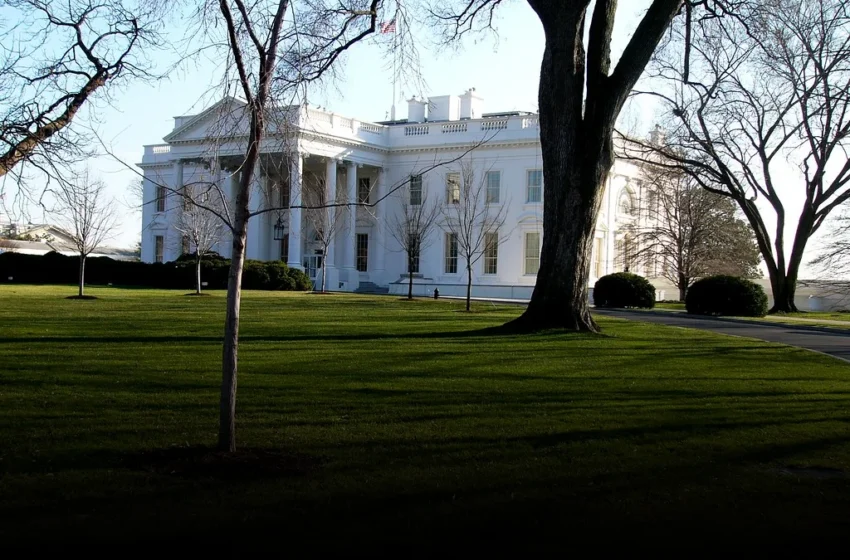
The New Moat: Regulatory Expertise Over Raw Speed
GPT 5.6, the latest iteration from OpenAI, is not simply awaiting its public debut; it’s navigating a bureaucratic gauntlet, mirroring the fate of Anthropic’s Fable and Mythos models. The US government’s quiet, yet potent, intervention in the release cycle of frontier AI models marks a profound recalibration of power within the technology sector. This isn’t just about slowing down innovation; it’s about fundamentally reshaping the competitive dynamics, shifting the battleground from raw computational capacity and algorithmic superiority to adept regulatory navigation.
For too long, the narrative around advanced AI has centered on a breathless race between titans, primarily OpenAI and Anthropic, vying for the next breakthrough. We’ve watched them pour billions into data centers and recruit top talent, all to shave milliseconds off inference times or add layers to their model architectures. Yet, with recent decisions to subject models like GPT 5.6 to “customer-by-customer” approval for an indefinite “limited preview” – a process Anthropic’s Mythos has been stuck in for months – the rules of engagement have irrevocably changed.
The immediate consequence is clear: economic friction. Sam Altman’s reported projection of a “couple of weeks” for GPT 5.6’s preview period now feels almost quaint given Anthropic’s extended limbo. Delaying general release for costly, cutting-edge systems means deferred revenue and escalating carrying costs, directly impacting the bottom line of AI labs desperate for profitability after years of venture capital infusions. This directly threatens the robust data center buildouts that underpin the industry’s scaling ambitions.
The U.S. government’s newfound role as a de facto gatekeeper introduces an entirely new, deeply complex layer to the AI development process. It’s no longer enough to build the most advanced model; companies must now demonstrate an unparalleled ability to anticipate, satisfy, and even shape opaque regulatory demands. This creates a formidable new barrier to entry for smaller players, effectively becoming a competitive moat for well-resourced incumbents.
The original article suggests a shared industry “disaster,” but that perspective elides a critical distinction. This environment could perversely benefit the largest, most entrenched AI labs. They possess the legal teams, lobbying power, and pre-existing government relationships to navigate such bureaucratic friction more effectively than lean startups. While all companies face delays, the impact is disproportionately absorbed by those with less capital and fewer political inroads.
The very notion that this will force collective action within the industry, as some optimistically suggest, feels decidedly naive. Individual corporate incentives, particularly when billions are at stake, rarely align perfectly with shared industry welfare. Instead, these new regulatory hurdles often become tools for strategic advantage, silently consolidating market share around those best equipped to manage the overhead.
Beyond Hype: What ‘Safety’ Really Means
The government’s stated rationale for these interventions centers on “safety assurances,” though the specifics remain nebulous. As GMU fellow Dean Ball pointed out, the U.S. government demonstrably lacks the expertise and capacity for the kind of rigorous, nuanced testing required for frontier AI models. This raises a crucial question: is this about genuine, actionable AI safety protocols, or is it a broader exercise in geopolitical tech control, masked by legitimate but ill-defined concerns?
There are indeed real concerns underpinning the regulatory impulse – from cybersecurity risks that could revolutionize hacking to potential misuse in biorisk scenarios. However, restricting model releases only limits public access to beneficial tools and does little to address the root causes of these complex issues. A more effective approach would involve collaborative development of industry standards and transparent evaluation frameworks, rather than ad-hoc approvals by an unprepared bureaucracy.
The current approach risks turning the regulatory landscape into a reactive, arbitrary process that stifles beneficial innovation. We see hints of regulatory capture when such ambiguity allows for bespoke, “customer-by-customer” approvals. It raises the skeptical observation that perhaps the actual incentive for some of the larger players isn’t to prevent regulation, but to ensure it’s implemented in a way that disproportionately impacts their competitors, solidifying their own market position.
A Shifting Geopolitical AI Chessboard
The U.S. government’s assertive stance positions it as a dominant player in the global AI governance conversation. This move sends a clear signal to other nations, from the European Union grappling with its AI Act to China’s own ambitious tech directives, about the perceived risks and strategic importance of advanced AI. It introduces a new dimension to the global race, where national oversight becomes as critical as technological prowess.
This isn’t just an internal Silicon Valley skirmish; it’s a front in a larger geopolitical tech struggle. The ability of a government to dictate the terms of advanced AI deployment could define future economic and military power. This implies that companies with strong national ties or those willing to align their development roadmaps with state priorities might gain an unforeseen advantage. The long-term implication is a more nationally siloed, less globally interconnected AI development trajectory.
The era of AI companies operating largely unfettered by direct state approval appears to be drawing to a close. What emerges next won’t be a simple return to the status quo, nor will it be an industry united by a common challenge. Instead, expect a far more complex ecosystem, where the ability to navigate political currents and bureaucratic channels becomes as valuable as the next algorithmic breakthrough. The question is no longer who builds the best AI, but who gets permission to release it.
