
US Startup Reflect Orbital Taps Indian Skyroot for Launches, Signaling Global Shift
- Space
Arjun Vedanta
- 0
- 10 minutes read
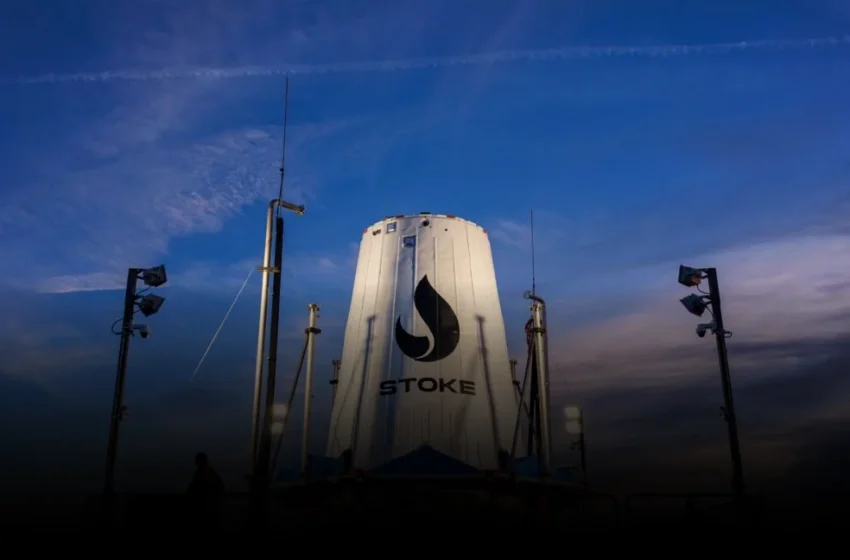
California-based startup Reflect Orbital’s decision to procure two launches from India’s Skyroot Aerospace underscores a significant global pivot in commercial space, with American companies increasingly looking beyond domestic providers for cost-effective and timely access to orbit. This move highlights growing international competition and evolving market dynamics that challenge the traditional dominance of the US launch sector.
Reflect Orbital, headquartered in California, is pursuing an ambitious mission to offer ‘sunlight on-demand’ using in-space mirrors—a concept that requires consistent and reliable access to orbit. Their recent announcement to utilize Skyroot’s Vikram-1 and an upgraded Vikram-1U rocket marks a notable shift, as Skyroot Aerospace made headlines in July with its Vikram-1 becoming the first privately developed Indian rocket to successfully reach orbit. For American tech professionals and enthusiasts, this partnership signals deeper implications for the US space industry, from competitive pressures on domestic launch providers to strategic considerations for national space policy.
Why Are US Space Startups Looking Abroad for Launch Services?
The choice by a US-based entity like Reflect Orbital to partner with an Indian launcher isn’t simply a one-off event; it reflects a broader trend driven by several critical factors within the commercial space landscape. While the United States remains a leader in many facets of space technology, its domestic launch market faces unique challenges that can make international options highly attractive for new ventures.
One primary driver is often cost-efficiency. Developing and launching rockets is immensely expensive, and international providers, particularly those emerging from nations with burgeoning space programs, can sometimes offer more competitive pricing. This is especially true for small and medium-lift rockets, where new entrants globally are working to capture market share. For a startup, every dollar saved on launch costs can be reinvested into core technology development, accelerating their path to market.
Another significant factor is launch availability and frequency. The US launch schedule can be crowded, with high demand from government, military, and large commercial clients. Smaller startups seeking dedicated or ride-share opportunities might find more flexible or earlier launch windows by looking to international partners. Emerging providers like Skyroot Aerospace are actively building out their manifest, eager to secure contracts and demonstrate reliability, which can translate into greater flexibility for customers.
The US regulatory environment, while robust and ensuring safety, can also present hurdles for rapid deployment. Navigating the complexities of FAA licenses and export controls adds layers of time and cost to US-based launches. While international deals also have their own regulatory requirements, the perceived ease or speed of securing a slot with certain foreign providers can influence a startup’s decision-making process.
Skyroot Aerospace: India’s Ascent in the Commercial Launch Market
Skyroot Aerospace’s success is not just a win for India’s private space sector but a testament to the growing capabilities of non-traditional space powers. The company’s Vikram-1 rocket achieved a significant milestone in July, becoming the first privately developed Indian rocket to reach orbit. This accomplishment immediately positioned Skyroot as a credible and competitive player on the global stage, capable of delivering payloads for both domestic and international clients.
The company’s offerings, including the proven Vikram-1 and the upcoming Vikram-1U, are designed to serve the burgeoning small satellite market. This segment is experiencing exponential growth, driven by the proliferation of CubeSats and smallsats for communications, Earth observation, and scientific research. Skyroot’s development of multiple launch vehicles signals a commitment to scalability and meeting diverse payload requirements, from a few pounds to hundreds of pounds into various low-Earth orbits.
India, through its national space agency ISRO (Indian Space Research Organisation) and now private companies like Skyroot, has cultivated a reputation for cost-effective and reliable space missions. This legacy, combined with a talented engineering workforce and supportive government policies, has created a fertile ground for private space ventures to thrive. Reflect Orbital’s selection of Skyroot is a strong endorsement of India’s technical prowess and its growing role as a provider of critical space infrastructure.
What Does This Mean for the US Space Industry and Policy?
Reflect Orbital’s move carries significant implications for the US space industry, prompting questions about competitiveness, innovation, and national strategic interests. While US companies like SpaceX, Rocket Lab, and United Launch Alliance (ULA) dominate segments of the global launch market, the emergence of strong international competitors, particularly in the small-to-medium launch sector, demands attention.
- Increased Competition for US Launch Providers: US-based small-lift launch companies may face heightened pressure to reduce costs and enhance launch frequency to retain domestic customers. This competitive landscape could spur innovation within the US, driving down prices and improving services, but it could also lead to difficult market conditions for some newer American entrants.
- Strategic Dependency Concerns: For some, relying on foreign launch services, even from allies, raises questions about strategic autonomy and supply chain security. While commercial partnerships are common, the ability to launch critical US assets on US soil remains a key tenet of national security space policy.
- Focus on Downstream Capabilities: This trend could encourage US companies to double down on other segments of the space value chain where they hold a competitive edge, such as satellite manufacturing, advanced sensor development, data analytics, and in-orbit servicing. The US might increasingly become a hub for building sophisticated space hardware and developing innovative space-based services, even if the launch itself occurs elsewhere.
- Policy Review: The US government, through agencies like the FAA and Department of Commerce, may need to evaluate current policies regarding commercial space launches and international partnerships. This could involve exploring ways to streamline domestic regulations or offering incentives to keep launch business within US borders, balancing national interests with commercial imperatives.
Shaping American Innovation and Job Growth in the Space Economy
The decision by Reflect Orbital to use Skyroot Aerospace ultimately reflects the globalized nature of the modern space economy. It’s a complex balancing act between optimizing costs for a commercial venture and fostering domestic innovation and job growth. While some might view the export of launch contracts as a missed opportunity for American jobs, a nuanced perspective reveals a dynamic interplay.
The core business of Reflect Orbital—developing and deploying unique in-space mirrors—remains firmly rooted in California, supporting high-tech American jobs in engineering, design, and operations. By sourcing launch services competitively, the company can potentially accelerate its mission, bringing its innovative technology to market faster. This, in turn, could create new US jobs in the downstream applications of its ‘sunlight on-demand’ service, from energy management to agriculture.
However, the broader US space ecosystem needs a healthy and diverse domestic launch industry to ensure resilience and continued technological leadership. Investment in US launch startups, alongside robust R&D in advanced propulsion and manufacturing techniques, is crucial. This helps create a robust supply chain that supports not only commercial ventures but also government and defense needs.
Ultimately, the global space market is not a zero-sum game. US companies will continue to innovate across the entire space value chain. The competition from international players like Skyroot Aerospace serves as a powerful catalyst for American ingenuity, pushing US providers to become even more efficient, reliable, and cost-effective. This competitive environment benefits everyone involved, fostering a more dynamic and accessible space frontier.
Key Takeaways for US Readers:
- US startup Reflect Orbital chose Indian firm Skyroot Aerospace for two launches, highlighting a growing trend of US companies seeking international launch services.
- This decision is driven by factors like cost-efficiency, greater launch availability, and potentially less complex regulatory environments abroad for specific missions.
- Skyroot Aerospace, having successfully launched its Vikram-1 rocket in July, is establishing India as a significant, cost-effective player in the global commercial launch market.
- For the US space industry, this signals increased competition for domestic launch providers and prompts discussions about national strategic autonomy versus global commercial partnerships.
- While some launch business may shift abroad, US companies like Reflect Orbital continue to create high-tech jobs domestically in satellite development and innovative space applications, with global competition potentially stimulating further US innovation.
Frequently Asked Questions
Why did Reflect Orbital choose an Indian company over a US one?
Reflect Orbital likely selected Skyroot Aerospace due to competitive pricing, favorable launch schedules, or specific vehicle capabilities that aligned with their mission needs. The global launch market is increasingly competitive, with new entrants offering diverse options beyond traditional US providers.
What is Skyroot Aerospace’s significance in the global space market?
Skyroot Aerospace is an emerging Indian private space company that successfully launched its Vikram-1 rocket in July, becoming the first private Indian firm to achieve orbit. This achievement positions India as a growing force in commercial space launch services, particularly for small and medium payloads.
How does this partnership impact the US commercial space industry?
This partnership signals increased competition for US small-to-medium launch providers, potentially pushing them to innovate further on cost and efficiency. It also highlights a broader shift where US companies might strategically leverage international partners for launch, while continuing to lead in satellite technology and space applications domestically.
Are US companies increasingly relying on foreign launch providers?
While the US maintains robust domestic launch capabilities, there is a growing trend among US startups and commercial entities to explore a wider range of global launch providers. This is often driven by a search for optimal cost, availability, and specific mission requirements in a rapidly expanding and globalizing space economy.
