
Volkswagen’s American Pickup Gambit: A Global Retreat from Efficiency
- Tech
Arjun Vedanta
- 0
- 5 minutes read
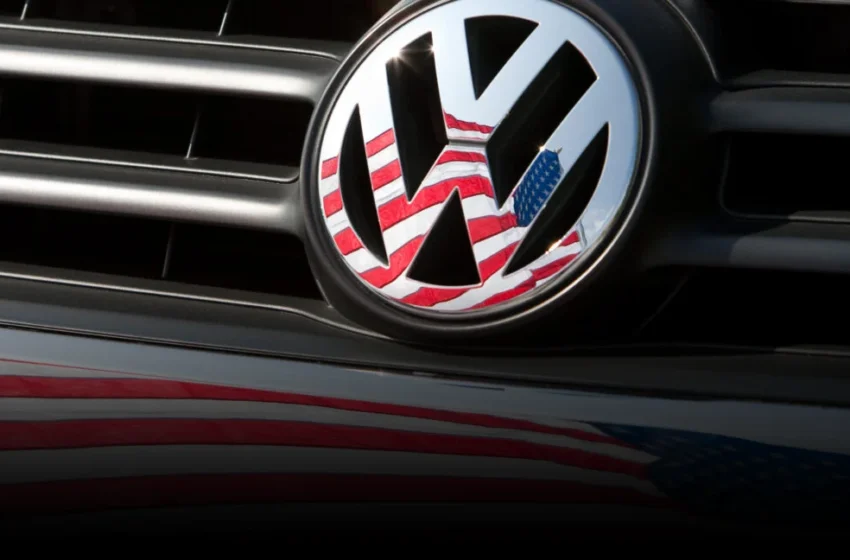
The Price of American Exceptionalism
Volkswagen’s reported pivot to a US-specific pickup truck, driven by market demand and regulatory loopholes, underscores a global automotive industry retreating from unified, efficiency-focused design towards fragmented, carbon-intensive regionalism. This isn’t merely a strategic adjustment; it’s a profound challenge to the very premise of long-term environmental commitments and a testament to how nationalistic market forces can derail global aspirations.
According to reports, Volkswagen Group plans to launch a US-made pickup truck and expand its large SUV offerings by 2030. This move, aiming to revive the German automaker’s lagging American business, targets a market that could swell to nearly $200 billion in sales by 2026. The logic is, on its face, compelling: enter a high-margin segment currently ignored, cater to a specific consumer taste, and capitalize on a regulatory environment that permits what might be deemed ‘uncompetitive or unsellable elsewhere.’
For decades, Volkswagen cultivated an image of engineering prowess and global design consistency. Their platforms, from the Golf to the Passat, were designed with a universality intended to scale production and standardize quality worldwide. This new direction, however, hints at a profound strategic concession, effectively admitting that the American market is too unique, or perhaps too stubborn, to integrate into a harmonized global product portfolio. It’s an expensive admission, given the costs of developing a bespoke vehicle platform.
The Illusion of Global Sustainability
What few are articulating is the inherent contradiction this move represents for a company that has, for years, championed a rapid transition to electric vehicles (EVs) and sustainable mobility, particularly in Europe and China. To simultaneously pour billions into developing a new, large, internal combustion engine (ICE) pickup for a single market feels less like a calculated risk and more like a tactical surrender. It’s a pragmatic choice, certainly, designed to bolster revenue, but it’s a pragmatism that chips away at the foundational narrative of a global green transition.
The incentive here is transparent: Volkswagen needs to grow its market share in a lucrative but challenging region. By framing this as ‘giving Americans what they want,’ the company deflects attention from the broader implications of such a segmented approach. The true beneficiary isn’t just VW’s bottom line, but also the entrenched US automotive industry, whose dominance in these segments benefits from market protectionism and the very ‘antediluvian approach to emissions controls’ that make such vehicles profitable. This strategic shift, while appearing bold, is ultimately a reaction to market pressures and regulatory asymmetries, not a proactive leap into the future.
This isn’t an isolated incident. The death of the ‘global car,’ as some have observed, isn’t being replaced by a more efficient, regionalized network, but by a collection of distinct product lines often optimized for local regulatory minimums rather than global maximums in efficiency. This fragmentation is arguably the most corrosive element of the current automotive landscape, actively working against the harmonized emissions standards and economies of scale required for truly sustainable solutions.
Fragmented Futures: What This Means Beyond Detroit
The decision to build a specific, large-format truck for North America is a tangible example of how regulatory arbitrage and consumer exceptionalism are actively shaping the global automotive industry. Instead of pushing American consumers towards more globally aligned, efficient vehicle types—a role often embraced by European brands—Volkswagen appears poised to capitulate to the status quo. One could argue this is simply good business, but it’s a business strategy that prioritizes short-term sales growth over long-term technological leadership and environmental stewardship.
Is chasing every regional niche a sustainable strategy, or is it a short-term palliative that delays difficult global transitions? My bet is on the latter. While the financial allure of the American pickup market is undeniable, this reported move exposes a deep structural flaw: the inability or unwillingness of major players to maintain a unified vision when confronted with powerful regional forces. It forces us to ask whether any multinational truly believes in a singular, progressive path for mobility, or if economic realities will always bend the knee to nationalism and localized appetites.
This isn’t just about Volkswagen; it’s a bellwether for how difficult it will be to achieve meaningful progress on global climate goals if even the most globally-minded companies are forced to develop region-specific, carbon-intensive products. The fragmentation of market segmentation and global supply chains in pursuit of localized profits ultimately undermines the very concept of a shared future for mobility.
