
Volvo’s PHEV Refresh: A Bridge to Nowhere in the Global EV Race?
- Electric Mobility
Arjun Vedanta
- 0
- 5 minutes read
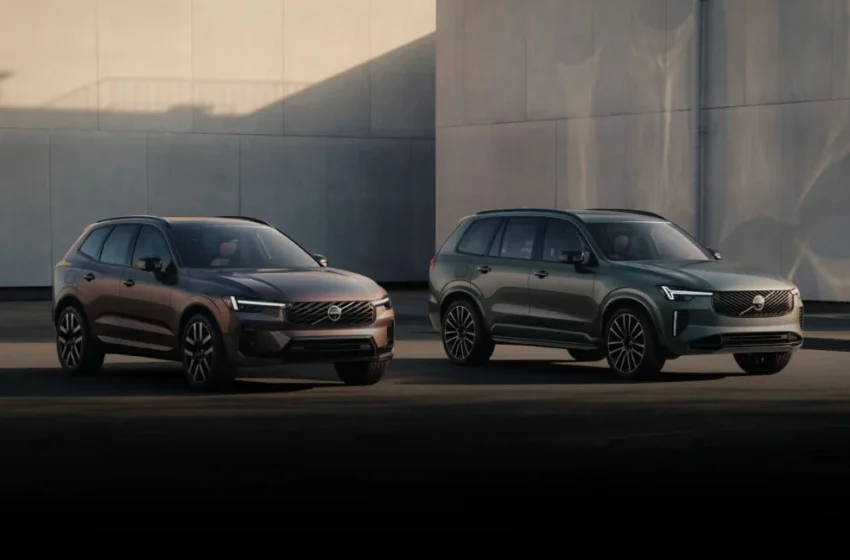
The Illusion of Innovation in Incremental Upgrades
Doubled electric range and a smarter AI assistant certainly sound like positive strides for Volvo’s refreshed XC60 and XC90 plug-in hybrids. However, strip away the marketing veneer and these updates reveal a brand caught in a strategic squeeze, attempting to navigate a market that demands decisive leaps with a series of incremental steps. The focus on evolutionary improvements, particularly in software, highlights a deeper struggle for differentiation in an increasingly commoditized premium electrified vehicle segment.
Volvo touts an improved plug-in hybrid powertrain that effectively doubles the real-world electric range for its bestselling XC60 and the larger XC90. This is a welcome specification bump, especially for drivers in urban centers. But this incremental gain arrives at a peculiar moment: as the automotive industry’s most significant players accelerate their transition to dedicated battery electric vehicle (BEV) platforms, rendering the plug-in hybrid a transitional technology at best, and a compromise at worst. It’s an enhancement that feels like an optimized last breath for a technology, not a vanguard of the future.
Consider the broader context. Volvo, through its parent company Geely, has significant investments in pure electric vehicle manufacturing, including Polestar. Yet, for its core brand, the strategy appears to involve extracting maximum value from its internal combustion platforms for as long as possible. The immediate incentive for these incremental updates is clear: to retain market share and justify premium pricing for its bestsellers, particularly in European and Asian markets where PHEV incentives remain prevalent and charging infrastructure for full EVs can still lag, allowing them to bridge the gap without alienating existing internal combustion engine customers too abruptly.
The Commoditization of ‘Smart’
Beyond the powertrain, the other headline feature is the updated 11.2-inch infotainment system, powered by Android Automotive OS and featuring a new Gemini personal assistant. The promise of conversational voice control is enticing, especially if it performs better than its predecessors, which, by the company’s own implicit admission, have degraded in ability over time. Yet, this improvement, however functional, underscores a concerning trend.
In a market increasingly saturated with sophisticated EV platforms and bespoke AI solutions, packaging a more competent, yet still generic, voice assistant as a key differentiator feels less like innovation and more like wallpapering over deeper structural challenges. Every automaker, from Mercedes-Benz to Hyundai, is integrating AI-powered assistants. Many leverage large language models from Google or other tech giants, essentially turning a core user experience into a outsourced commodity.
Volvo’s adoption of Google’s Gemini assistant, while likely improving user experience in the short term, simultaneously cedes a crucial battleground for long-term brand distinctiveness. If the interface, the ‘brain’ of the car, relies on the same underlying AI as countless other products, what truly makes a Volvo’s digital experience unique? The premium segment demands unique software experiences, not just well-integrated third-party tools. This approach suggests a focus on catching up rather than setting a new standard.
Global Divergence in Electrification Strategy
The global perspective on these updates reveals the inherent tension in Volvo’s strategy. While the increased electric range for the XC60 and XC90 PHEVs might appeal to markets like Germany or the UK, where company car schemes often favor low-emission hybrids, it’s a very different proposition in Norway or China. In Norway, for example, BEV adoption is nearing saturation, pushing PHEVs into a rapidly diminishing niche.
Meanwhile, China, the world’s largest automotive market, is dominated by local manufacturers like BYD and Nio that offer compelling, high-tech, and often more affordable pure EVs. These brands are not merely catching up; they are aggressively innovating in battery technology, smart cockpit features, and autonomous driving capabilities. The subtle visual tweaks to the “Thor’s Hammer” headlights and front grille, alongside a new ventilated leather interior option, do little to sway a consumer base increasingly driven by cutting-edge digital integration and range anxiety mitigation.
Volvo has sold more than 2.7 million XC60s worldwide by the end of last year, a testament to its past success. But these numbers reflect a legacy, not a guarantee of future dominance. The market is fracturing. Some regions, pressured by regulatory timelines, are leapfrogging PHEVs entirely, while others offer temporary safe havens for them. Volvo’s strategy appears to be an attempt to satisfy all, yet risks excelling at nothing truly groundbreaking. These refreshes, while competent, don’t scream future-proof. They whisper ‘transitional’, and in the hyper-competitive global electric vehicle race, a whisper is easily drowned out.
