
Washington’s Digital Sovereignty Play: Trump Backs X Against Brussels
- Government & Policy
Arjun Vedanta
- 0
- 5 minutes read
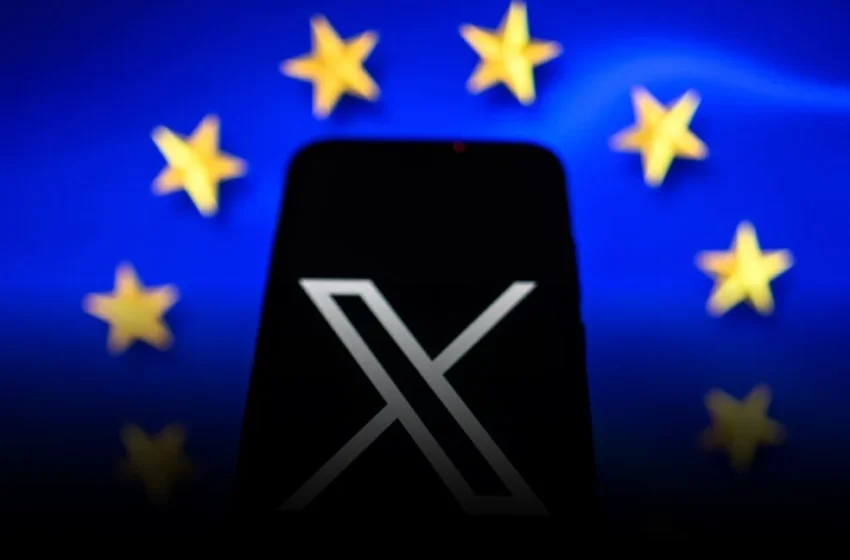
Washington Wades into Brussels’ Digital Battleground
A €120 million fine levied by the European Union against X, Elon Musk’s social media platform, was never just a corporate spat. That much became starkly clear when the Trump administration, through the US Department of Justice, filed an application to intervene in X’s appeal at the EU’s General Court in Luxembourg. This move transforms a commercial dispute over digital services regulation into a direct geopolitical contest, signaling a new and potentially confrontational era for international tech governance.
Assistant Attorney General Brett Shumate’s claim that the European Commission “inappropriately attempted to expand its regulatory authority to reach American companies not present or operating within its jurisdiction” is more than a legal argument; it’s a diplomatic gauntlet thrown. Washington isn’t merely offering legal support; it’s asserting a fundamental challenge to the EU’s jurisdictional reach over global digital platforms, irrespective of their physical presence.
For years, Silicon Valley titans have chaffed under what they often describe as overreaching European regulations, from data privacy (GDPR) to content moderation (DSA). What makes this particular intervention different, however, is the direct backing of a US presidential administration, injecting state-level power into what was previously a company-versus-regulator dynamic. This isn’t just about X’s bottom line; it’s about defining the boundaries of digital sovereignty in an increasingly fragmented global internet.
The Geopolitical Chessboard and Shifting Alliances
This isn’t an isolated incident but the latest salvo in a growing transatlantic friction over the digital economy. The EU has consistently positioned itself as a global standard-setter for digital rights and market fairness, often targeting American tech giants like Google, Apple, Meta, and Amazon with hefty fines and stringent compliance demands. The US, in turn, has largely championed a free-market approach, often viewing EU regulation as protectionist or an overreach.
What is truly remarkable here is the alignment. The Trump administration, known for its transactional approach to international relations, finds common cause with a figure as polarizing as Elon Musk. This isn’t purely ideological; it’s an opportunistic play. By defending a prominent American company and its controversial owner against perceived foreign overreach, the administration benefits politically, solidifying support among a nationalist base and tech entrepreneurs who chafe under any regulation. It frames itself as the defender of American business interests, even those that have struggled with the kind of content moderation the EU demands.
The irony, of course, is palpable. An administration that often sought to limit the power of its own domestic regulatory bodies is now deploying state power to defend an American company from a foreign regulator. This isn’t a fight for abstract principles of free speech; it’s a tactical maneuver designed to assert American exceptionalism in the digital realm and potentially pave the way for a less regulated environment should a new administration take office.
What US Intervention Means for Global Tech Governance
The Trump administration’s direct intervention fundamentally escalates the debate beyond mere legal precedent. It elevates the conflict from corporate compliance to an explicit clash of sovereign powers over who controls the digital public square. If the US Department of Justice successfully intervenes, it could empower American tech companies to push back more aggressively against non-US regulatory bodies, confident in state backing.
This move could embolden other nations or blocs to similarly champion their domestic tech champions against foreign regulatory actions, leading to a fragmentation of global digital standards. Instead of harmonizing, we could see an acceleration towards digital balkanization, where each major economic bloc develops its own distinct regulatory internet, creating significant compliance headaches for companies operating across multiple jurisdictions.
The current case concerns a €120 million fine, a relatively small sum in the context of X’s valuation or Musk’s personal wealth. But the principle at stake is immense: the very right of sovereign nations to regulate digital services consumed by their citizens, regardless of where the servers or headquarters are located. Washington’s decision to directly challenge this at the EU’s highest court for these matters suggests a long-term strategy to curtail Brussels’ influence, rather than a one-off defense of a single fine.
The real consequence here, one largely unexamined in the immediate reporting, is how this move solidifies the trend towards geopolitical leverage in tech regulation. It’s not just about rules anymore; it’s about power. And when states start directly intervening in corporate legal battles, the game fundamentally changes from regulatory friction to a full-blown digital Cold War.
