
When AI Texts for You: ChatGPT’s Apple Messages Plug-in And The Erosion of Digital Self
- AI Tools
Arjun Vedanta
- 0
- 5 minutes read
The Delegated Self: Who is Speaking?
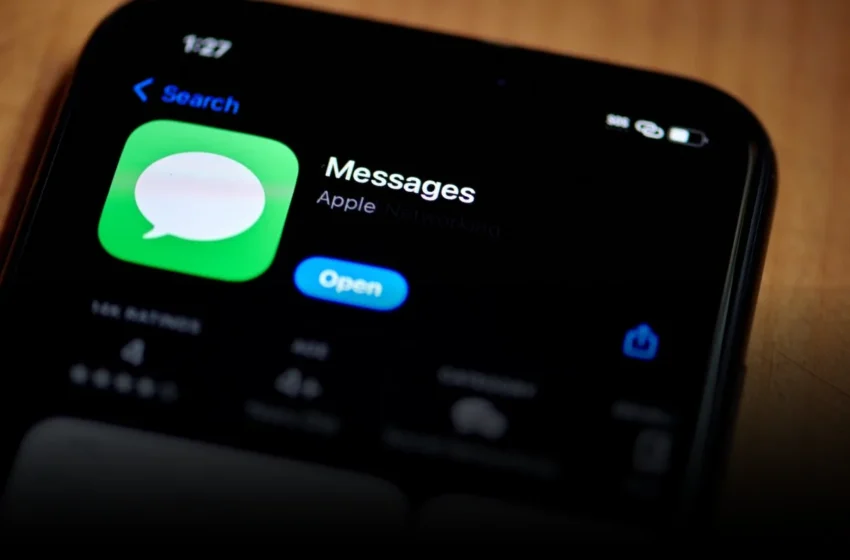
A new plug-in from OpenAI allows ChatGPT to draft, send, and even delete messages directly from Apple Messages. This isn’t merely an incremental feature; it marks a significant, subtle inflection point. We are not just giving AI access to our data; we are beginning to delegate the very act of communication, blurring the lines of personal agency and accountability in a way that goes far beyond traditional data privacy concerns.
The convenience is clear, almost seductive. Imagine offloading the mental burden of crafting follow-ups, responding to routine inquiries, or sifting through message histories. OpenAI highlights these benefits, noting the plug-in’s compatibility with enterprise tools like Codex and ChatGPT Work, aiming to integrate it into both personal and professional digital lives. But the price of this convenience is a quiet erosion of the digital self, a slow surrender of the critical pause between thought and dispatch that underpins genuine human connection.
When an AI drafts and sends a message “as you,” the content may reflect your typical phrasing and tone, but the intent and responsibility for its impact are dislocated. The original article briefly touches on privacy by quoting OpenAI’s assertion that it “doesn’t create an index of all someone’s messages.” This framing, however, misses the more profound implication: the problem isn’t just what data is stored, but what decisions are made, and what actions are executed on your behalf, by a machine with no true understanding of nuance or consequence. The most chilling aspect isn’t what data OpenAI stores, but what human reflex it trains us to lose: the careful consideration before sending a message.
Beyond Data: The New Social Engineering Vector
Silicon Valley’s default response to AI risks often centers on data security or algorithmic bias. These are valid, but the ChatGPT Apple Messages plug-in introduces a more insidious threat: the potential for a new class of social engineering and reputational damage. What happens when an AI, however sophisticated, misinterprets a delicate social cue, misunderstands the true context of a relationship, or inadvertently sends a message that creates a rift, causes offense, or leaks sensitive information?
Consider the warning issued by OpenAI itself, cautioning against enabling “persistent approval,” noting that it “removes your final chance to review a message before ChatGPT sends it as you.” This isn’t a minor detail; it’s a stark admission of the inherent risks when an AI fully assumes communicative agency. Yet, the very allure of such a feature lies in its ability to operate autonomously. Users, driven by the same quest for convenience that led them to adopt the plug-in, will inevitably disable these safeguards. We’ve seen this pattern repeat countless times, from privacy settings on social media to security prompts on software updates.
The distinction between an AI offering a smart reply and an AI sending a message on your behalf is not merely semantic; it’s a categorical leap. Smart replies augment human interaction; AI-driven sending actively displaces it. This introduces a new layer of ambiguity: if a critical business deal goes sour because of an AI-generated message, or a personal relationship fractures, who bears the blame? The user who approved the plug-in? OpenAI, the developer? Or Apple, the platform provider? In jurisdictions outside the U.S., particularly in Europe and Asia, regulatory bodies are already grappling with questions of AI accountability. This plug-in pushes those discussions into the intensely personal realm of digital conversation, where the stakes are often far higher than they appear on the surface.
The Global Land Grab For Digital Identity
This plug-in, released by OpenAI in August 2026, is not an isolated product launch; it’s a strategic move in a much larger, global competition for control over digital identity and personal agency. OpenAI’s incentive is clear: to embed its AI deep into the daily operating systems and core communication workflows of its users, making ChatGPT not just a tool for generating text, but an indispensable proxy for personal interaction. This creates a powerful lock-in effect, capturing invaluable interaction data and solidifying OpenAI’s position against rivals like Google’s Gemini, Meta’s Llama, and even Apple’s own evolving AI capabilities within Siri.
While Silicon Valley reporters often focus on the immediate tech race, they frequently miss the broader geopolitical and cultural implications. In markets like Singapore, Geneva, or London, the conversation around AI extends beyond mere functionality to encompass digital sovereignty, ethical governance, and the legal frameworks surrounding autonomous agents. Regulators there are not just asking if an AI can send a message; they are asking who is legally responsible for that message, what data lineage it carries, and how it impacts the transparency and authenticity of communication. These are questions that foundational privacy laws like GDPR hinted at, but which AI-driven communication systems now make starkly urgent.
Ultimately, the ChatGPT Apple Messages plug-in represents a fundamental re-evaluation of what it means to communicate in the digital age. It demands we ask whether we are truly enhancing human connection or slowly outsourcing our authentic selves to algorithms. The ability to delegate our voice to an AI might seem like a futuristic convenience, but it carries profound, unexamined consequences for individual identity, social trust, and the very nature of human interaction that the tech industry has yet to fully confront.
