
When Anti-Tech Dissent Becomes Domestic Extremism in the US
- Artificial Intelligence
Arjun Vedanta
- 0
- 5 minutes read
The Expanding Definition of Domestic Extremism
A quiet, alarming shift is underway within US federal intelligence agencies, one that blurs the lines between legitimate public dissent and perceived national security threats. New reports from the Department of Homeland Security, FBI, and various fusion centers now identify “anti-technology extremists” as a domestic target for surveillance. This move, detailed in over 1,000 pages of unpublished documents obtained by WIRED, marks a significant expansion of what constitutes an internal threat.
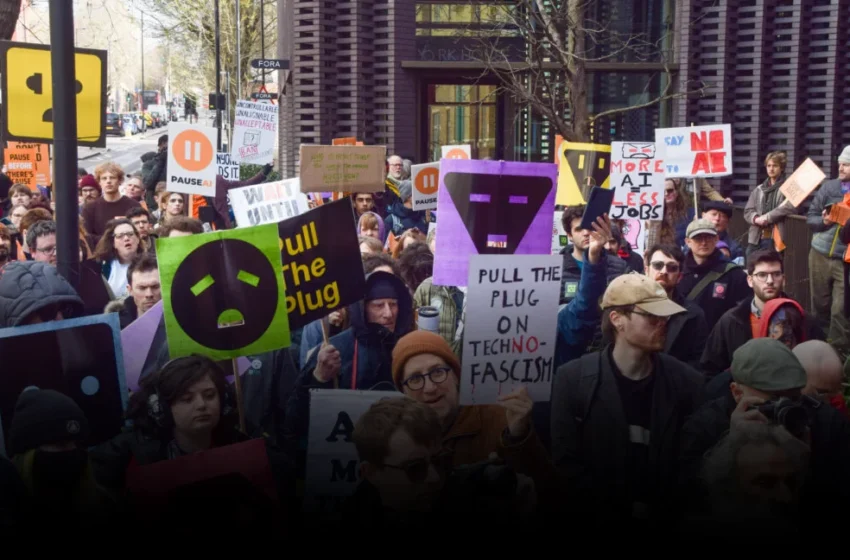
The inherent vagueness of “anti-technology extremism” is its most concerning feature. This new category sweeps in a range of activities and sentiments, from the increasingly vocal concerns about AI job replacement to a nationwide protest movement targeting data centers, and even isolated incidents of attacks on CEOs. Labeling such diverse actions under a singular, ominous umbrella risks criminalizing a wide spectrum of critical voices against the tech industry rather than merely addressing genuine threats to public safety.
This redefinition of domestic threats does not occur in a vacuum. It aligns suspiciously well with an existing political framework that targets specific ideological positions. President Donald Trump’s National Security Presidential Memo 7 already instructs the Department of Justice to target anyone holding “anti-American,” “anti-Christian,” and “anti-capitalism” beliefs. The new “anti-technology” designation slides seamlessly into this politically charged list, suggesting a broader intent than just public safety.
Furthermore, Sebastian Gorka, then Trump’s counterterrorism czar, publicly declared “left-wing extremists” as one of the three top counterterrorism priorities facing the United States. This political backdrop suggests that the surveillance of “anti-technology extremists” may not be a neutral response to emerging threats. The convenient alignment of “anti-technology” sentiment with pre-existing, politically charged definitions of extremism should raise alarm bells for anyone concerned with civil liberties and the weaponization of state power.
Securing the Tech Frontier: An Examination of Incentives
The timing and framing of this new surveillance category demand a closer look at its underlying incentives. This effort serves powerful tech interests by potentially chilling dissent and redirecting scrutiny away from corporate accountability. When public backlash against the societal and environmental impacts of technology can be framed as “extremism,” it shifts the narrative from corporate responsibility to national security concerns.
Concerns surrounding AI ethics, automation, and the colossal energy footprint of AI infrastructure are not fringe ideas; they are legitimate discussions with measurable economic, social, and environmental impacts. Millions face the prospect of AI job displacement, while communities increasingly protest the vast land and resource consumption of new data centers. To conflate these real-world grievances with extremism is to delegitimize valid public engagement and advocacy.
This preemptive measure appears designed to protect critical infrastructure, often privately owned data centers, and to shield the reputations of major tech players from growing public backlash. It aims to secure the technological frontier not just from cyberattacks, but from its own citizenry questioning its trajectory and power.
Legitimate activism, whether it is environmentalists protesting the ecological impact of digital infrastructure or labor groups advocating for workers displaced by automation, stands in stark contrast to the ominous “extremist” label. The state, through these reports, is providing a powerful tool to silence critics by associating them with a threat category that justifies federal intervention and surveillance, regardless of their actual intent or methods.
A Global Precedent for Digital Authoritarianism
From an international vantage point — observing from London, Geneva, or Singapore — this US initiative takes on a far more troubling hue. It looks less like a targeted response to genuine threats and more like an advanced, albeit subtle, form of state control over public discourse, blurring the lines between dissent and perceived destabilization. This move risks importing tactics more commonly associated with nations often criticized for suppressing digital rights and freedom of expression.
Globally, the monitoring of digital behavior and the control of online narratives are hallmarks of authoritarian regimes, from China’s extensive social credit system to various national internet censorship apparatuses. For the US, traditionally a vocal proponent of free speech and open internet, to adopt such broad definitional tools for internal surveillance sets a dangerous precedent. It legitimizes a framework where opposition to powerful industries can be viewed through a national security lens.
The long-term impact on global tech discourse is significant. If the world’s leading democracy begins to brand opposition to technological trends or specific tech companies as “extremism,” what message does this send to other governments facing similar public pressures? It could embolden and provide a template for crackdowns on digital rights advocates, environmental activists, and labor organizers worldwide, further eroding the space for critical analysis of technology’s role in society.
This new surveillance frontier, while ostensibly aimed at protecting national security, instead carries the grave risk of chilling freedom of expression, stifling necessary public debate, and ultimately consolidating unchecked power in the hands of both government and corporate tech interests.
